Kirana to Cloud: The Shop’s Memory Goes Digital
The khata was a memory device. As kiranas move to the cloud, the shop's recall changes, and so does the customer relationship.
The khata book was never really an accounting tool. It was a memory device. It remembered who bought which brand, who paid later, whose household was growing, and which regular got a little extra on a festival. The shopkeeper held the only copy.
That memory was powerful, but fragile. If the shopkeeper was away, unwell, or simply forgot, the relationship lost its thread. When the kirana moves from khata to cloud, this private memory becomes searchable, portable and accessible from the shop’s systems.
The cloud does more than digitise the ledger
Cloud tools turn the cashbook into a record that can be checked from a phone. Inventory, payments, credit and reordering stop depending on one person’s recall. A regular customer becomes not just a face the owner recognises, but a pattern the system can surface before the shopkeeper asks.
For the shop, that shift feels like a new kind of certainty:
- The shop can remember a customer’s last order without asking.
- A credit note can follow a customer instead of living in a single notebook.
- Reordering and reminders move from mental arithmetic to an always-on system.
- The corner shop starts behaving like a service with a record, not just a place.
Recognition is the loyalty engine
Being remembered is one of the strongest loyalty cues a small shop has. The customer who hears “the usual?” feels known. That feeling is not a transaction; it is a relationship. The cloud can extend that recognition to more customers and a longer memory.
But recognition has a threshold. When a screen prompts the shopkeeper, the greeting can become a lookup rather than a memory. The shopkeeper who glances at a device before making eye contact can turn a warm ritual into something that feels like watching. The customer wants the shop to remember, not to monitor.
For marketers, the kirana cloud is a study in memory design. What should the system remember? When should it reveal that it remembers? Which parts of the old khata should stay invisible?
The question India asked moved from ‘How much does data cost?’ to ‘What can we do with data?’
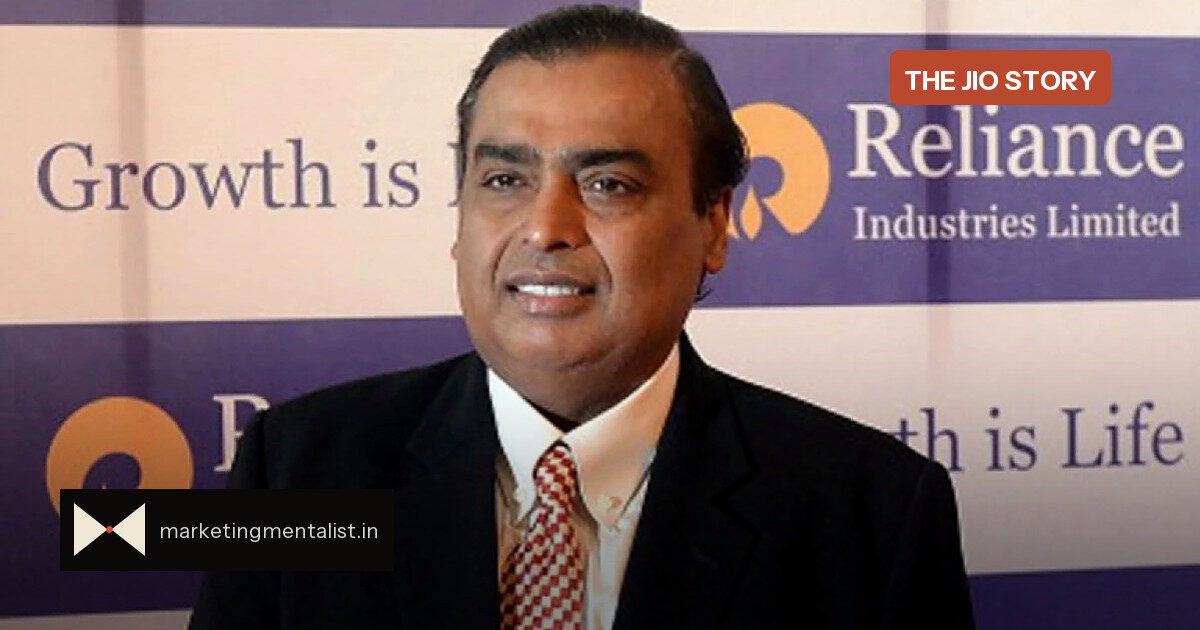
In 2016, the Welcome Offer made unlimited 4G data, voice, video and apps a starting point. The network reached 100 million subscribers within 170 days of launch, company-reported. Today, Jio’s ecosystem spans connectivity, entertainment, commerce, payments, devices, cloud and AI, also company-reported. For a kirana, that stack is not about technology for its own sake; it is about extending the shop’s memory in a way the customer can feel.
The next counter is a remembered one
The best digital kirana will not read a customer’s file aloud. It will use the cloud to do the remembering quietly: the order is ready, the credit note is updated, the regular is welcomed by name. The human cue stays first.
That is the real design brief for small businesses going digital: digitise what helps the customer, not just what makes the shop efficient.