Five Small Habits That Reveal India’s Post-Scarcity Data Mindset
The data saver, midnight binger, kirana owner, first-generation creator and Dadi's first video call reveal how India's question moved from data cost to data use.
Before unlimited data became ordinary, the first question at a counter, hostel common room or family group chat was often the same: “How much is left?” The question India asked moved from “How much does data cost?” to “What can we do with data?” That shift is most visible not in dashboards but in small routines—the data saver, the midnight binger, the kirana owner going digital, the first-generation creator and Dadi on her first video call.
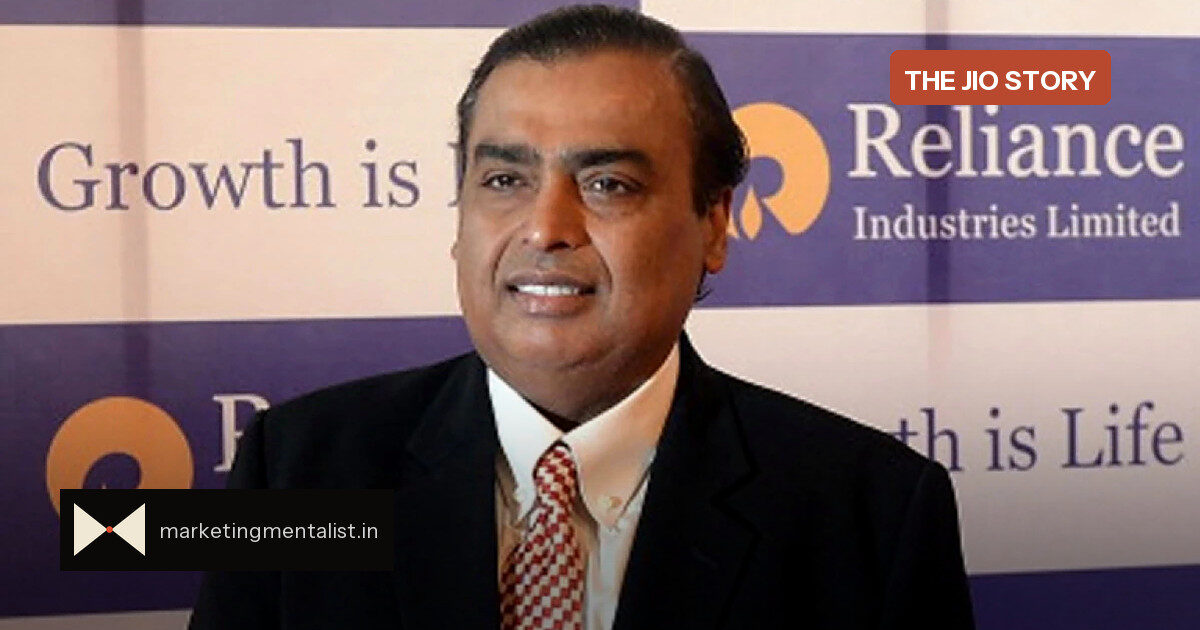
In 2016, Jio launched with the Welcome Offer: unlimited 4G data, voice, video and apps (Reliance Industries). The service reached 100 million subscribers within 170 days of launch (company-reported; Reliance Industries Integrated Annual Report 2016-17). Speed mattered, but the deeper marketing story is psychological. When a constraint disappears, people do not simply use more. They reorganise their habits around what the resource now lets them do.
The data saver’s residue
The data saver still toggles mobile data off, downloads songs on Wi-Fi and keeps an eye on background refresh. This is not frugality. It is learned caution—a mental budget that took years to build. For a brand manager, the signal is that price is only part of the story. The customer’s mental model may still treat data as finite even when the plan says otherwise.
The binger, the kirana and the creator
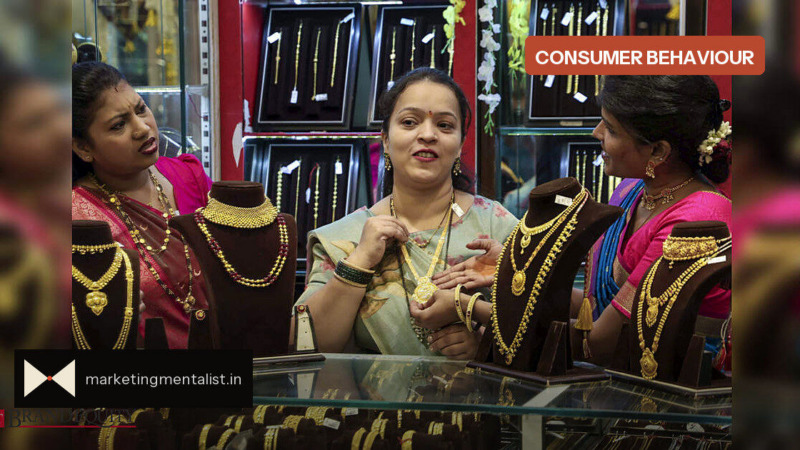
The midnight binger is not escaping; they are claiming control over time. The kirana owner digitising the khata is not adopting software; they are lowering the cost of trying. The first-generation creator posting a reel from a small town is not chasing fame; they are testing an audience now that reach no longer feels rationed.
- The data saver turns scarcity into a ritual: switch off, cache, compare.
- The midnight binger trades a sleep boundary for a sense of time ownership.
- The kirana owner digitises the khata because the cost of trying fell to zero.
- The first-generation creator performs for a daily audience because reach stopped feeling rationed.
- Dadi’s first video call converts network quality into emotional proof.
Dadi’s first call is brand memory
A video call with Dadi feels less like a network event and more like presence. People do not recall megabytes; they recall the first call. That is why memory is a brand asset. Jio’s stated priorities include connecting every Indian, bringing digital services home, digitising businesses and “AI Everywhere for Everyone” (Reliance Industries 48th AGM, August 2025), but the human reading is simpler: infrastructure becomes brand memory only when it enters an ordinary ritual.
Jio serves 524 million+ customers (Reliance Jio Infocomm, March 2026; company-reported), yet the durable effect for marketers is not the number. It is that data moved from ticket price to background condition. That means the next brand advantage belongs to those who read the routine behind the screen, not the spec sheet.