Consumers Are Rethinking Sustainability in 2026
Ipsos finds climate concern remains high, but cost, trust and health now shape which sustainable choices consumers actually make.
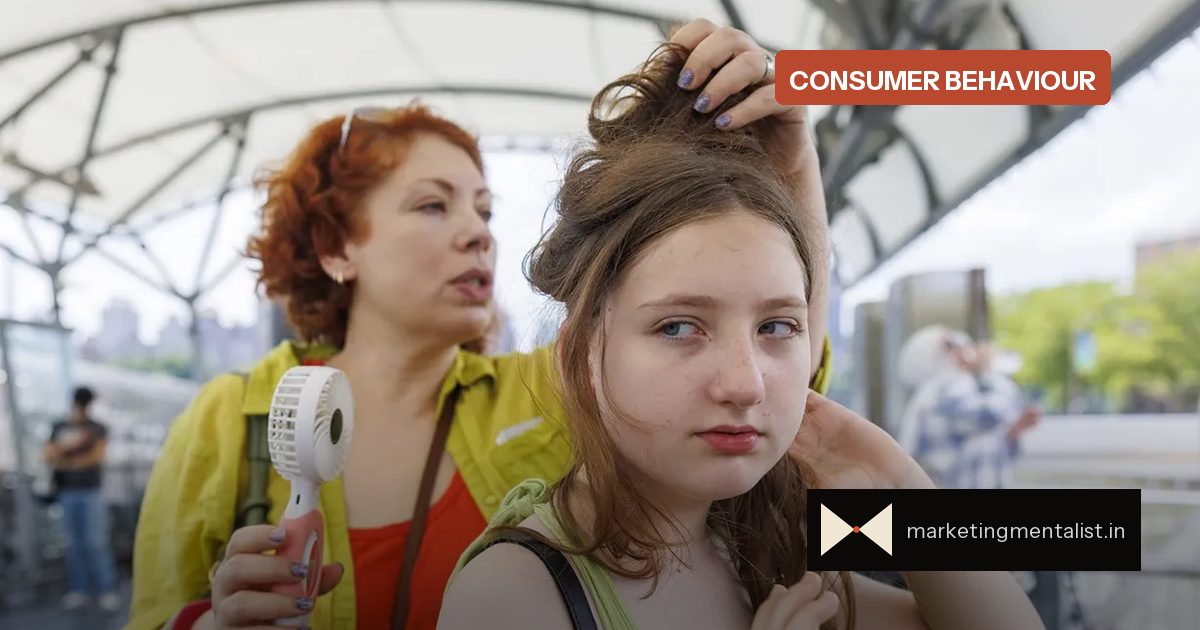
Climate concern has not disappeared, but the way consumers act on it is changing. Ipsos’ 2026 Sustainability Reality Check, drawn from its Market Essentials Sustainability Report covering 15 markets, shows sustainability is being filtered through a new lens: everyday pressure.
The old campaign ask—”care more about the planet”—is losing pull. Consumers still want action on climate change, but they increasingly need sustainable options to make sense in their own lives today.
The five shifts reshaping sustainable behaviour
Ipsos points to five trends. Together they explain why this feels like a turning point.
- High concern, distant urgency. Climate change remains a major global challenge, but many still see it as a global problem rather than a personal one.
- Cost filters behaviour. Consumers are not abandoning sustainability. They are prioritising actions that save money, such as cutting energy use or waste, while more costly actions fall away.
- Responsibility is shifting upward. People expect businesses and governments to take greater responsibility, and they want evidence of meaningful action, not just promises.
- Health is becoming the gateway. The strongest new link is between sustainability and personal wellbeing: safer ingredients, healthier products and better quality of life.
- Trust is the tiebreaker. Confusion, weak transparency and doubts about value stop consumers from choosing sustainable options.
Why the old framing is underperforming
Many consumers already accept that climate change is serious. The issue is not awareness; it is the gap between awareness and personal action. When sustainable choices feel like a sacrifice—higher prices, extra effort, unclear benefit—they lose to more immediate priorities.
That means the winning positioning is less “future of the planet” and more “better for you, easier to buy, and proven.”
A value-first filter for brands
According to Ipsos, the opportunity is not to raise more concern. It is to make the sustainable option answer what people already worry about: affordability, health, resilience, convenience and security.
This is not a cue to drop sustainability. It is a cue to reposition it around immediate, personal value. For example, a brand could lead with lower energy bills or safer ingredients, then let the environmental benefit act as reinforcement.
One practical application is a three-question check for any sustainability message or product claim:
- Does it create immediate, tangible value for the buyer, such as a lower bill or a healthier choice?
- Is the personal benefit obvious before the planetary benefit?
- Can we prove it with transparency and credible evidence?
If the answer to any of these is no, the message is likely to be tuned out under cost-of-living pressure.
The brand strategy takeaway
Sustainability remains powerful; it simply has to be useful. Brands that connect environmental choices to saved money, personal health and trustworthy proof will hold attention. Those that rely on broad, distant climate appeals will increasingly sound irrelevant.
Source: Ipsos