India’s luxury market to cross $12B by 2028
India's luxury market is set to pass USD 12 bn by 2028, but the real shift is from dictatorial exclusivity to collaborative empathy.
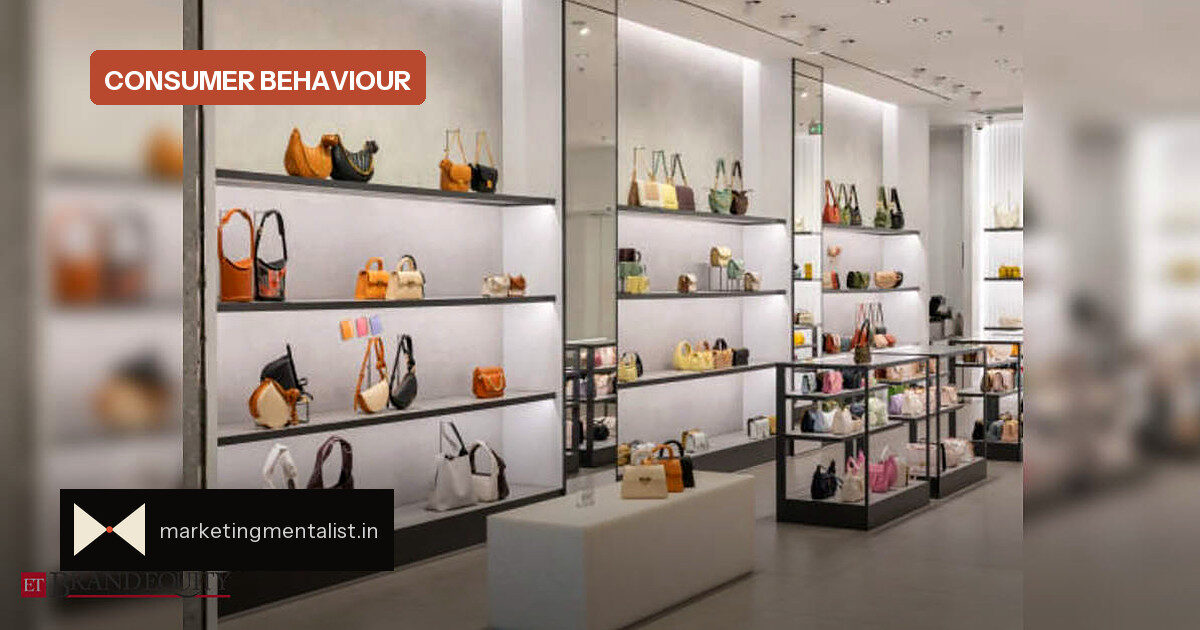
India’s luxury market is on course to cross USD 12 billion by 2028, with an active luxury consumer base of about 20 million. The more interesting number is behavioural: nearly half of those buyers are millennials and Gen Z, and they are quietly rewriting the selling code.
The old playbook is losing its grip
For a long time, luxury retail in India leaned on what could be called ‘dictatorial exclusivity’ — scarcity, legacy and status did the selling. That model carried royal echoes, from Gayatri Devi’s aristocratic elegance to old-money discretion. Today’s buyer is more pragmatic: products are scrutinised, options compared, and the central question is how a purchase fits into a life.
The shift is toward ‘collaborative empathy’, where brands adapt to buyers rather than expecting the reverse. Sabyasachi’s newer creations, for example, shed unnecessary bulk from traditional silhouettes, with lighter dupattas, dynamic cuts and lightweight jewellery for more active weddings.
Four moments that shape the new buyer
A practical framing for this shift is four milestones:
- Define: Earn a clear socio-functional role in the customer’s life — the iPhone 18 Pro Max commands its premium through camera and audiovisual capabilities that fuel heavy social media use.
- Discover: Let buyers find luxury on their own terms, from wellness retreats and chef-driven gastronomy to provenance-led stories around coffee, millets and chocolates.
- Decide: Accept that choices are researched and interrogated. Over 57 per cent of Indian luxury consumers engage with social and digital touchpoints before buying.
- Delight: Orchestrate word of mouth and community. Experiences at Oberoi Vanyavilas or Amanbagh are designed to be shared, and influencers make luxury feel aspirational and accessible.
Geography and time are changing the game
The luxury map is widening. Only 43 per cent of luxury consumers live in Mumbai, Delhi, Hyderabad, Pune, Chennai, Kolkata and Ahmedabad. Over 50 per cent of Tata CLiQ Luxury and AJIO Luxe revenue reportedly comes from non-metro PIN codes, while more than 70 per cent of luxury purchase research happens on a smartphone before a transaction. Destination stores still matter — Fortnum & Mason at Jio World Drive is one example — but pop-ups and deep logistics networks can take luxury much further.
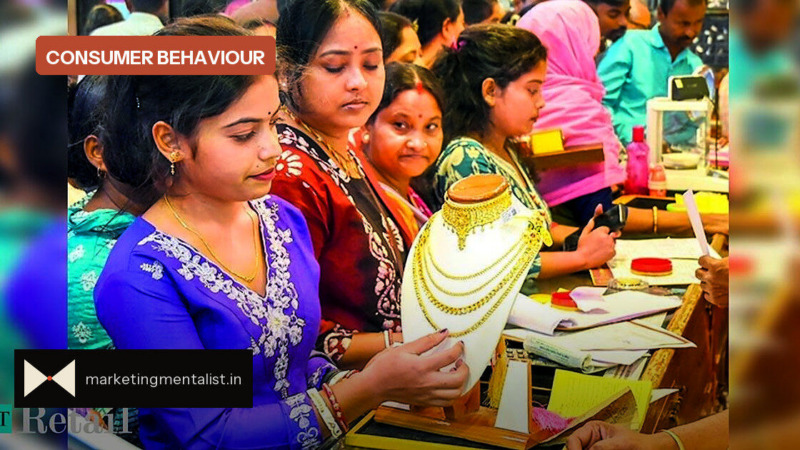
Jewellery reflects the same shift. India’s luxury jewellery market crossed ₹50,000 crore in revenue in 2025, yet preference is moving toward emotional connection, styling and personalisation. Flaunting gold is losing appeal, so the job is to sell meaning rather than metal.
Time is becoming the newest premium currency. Longevity, wellness, diagnostics, aesthetics and senior living are set to expand, while handcrafted holidays, slow food and creative pursuits help time-poor customers buy back leisure and pleasure.
For brand managers, the practical takeaway is to stop relying on exclusivity as a salesperson and start designing for comparison, conversation and community.
Source: ETBrandEquity.com