Diet Coke at ₹70: the MRP still says ₹50
Diet Coke's 330 ml can now sells at ₹70 in select stores while its MRP still reads ₹50. The price split is a live lesson in reference pricing.
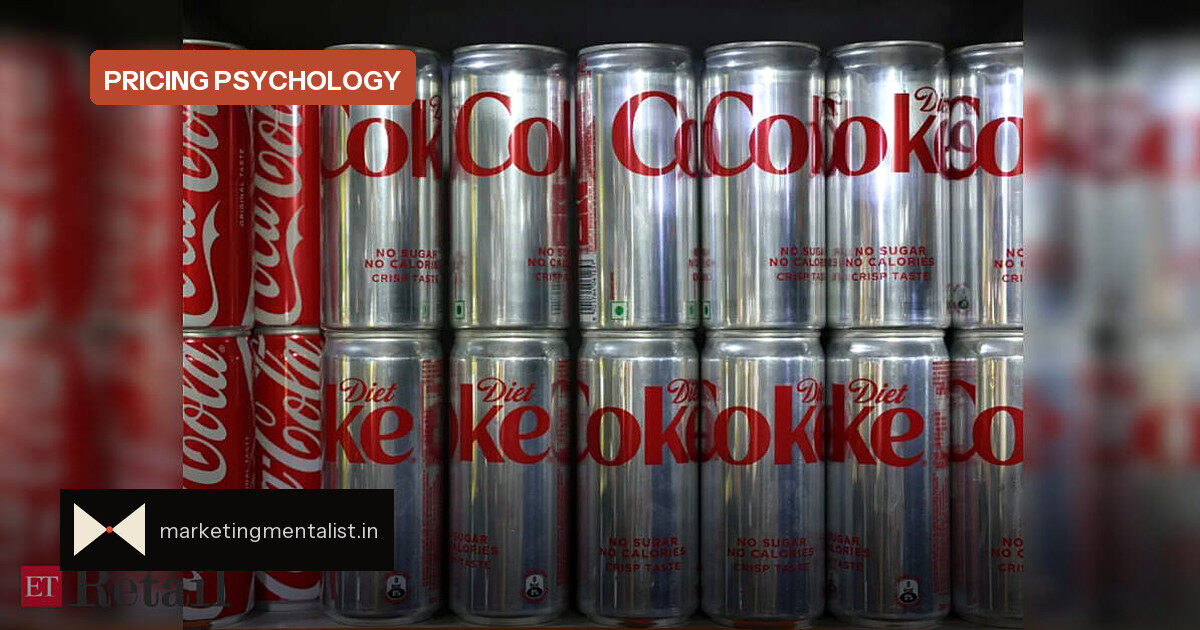
Diet Coke’s 330 ml can has turned into a live pricing experiment in Delhi-NCR, Mumbai, Bengaluru and Goa. Select Coca-Cola bottlers and neighbourhood retailers are charging ₹70, up from ₹50, while the can still carries a printed MRP of ₹50.
The backdrop is a real cost squeeze. Can-grade aluminium prices have surged 30% year-on-year, supplies are tight after the West Asia war, and industry executives say demand for the zero-calorie drink doubled over the last year. In July, the brand had already moved from a 300 ml can at ₹40 to a 330 ml can at ₹50—a classic pack restage. This time, the pack hasn’t changed, but the street price has.
A Coca-Cola spokesperson said the company recommends trade partners charge the MRP printed on the pack and that Diet Coke is available at multiple price points. Independent bottlers say the can cost has become impossible to absorb.
The 50-rupee anchor
Quick-commerce platforms Blinkit and Zepto still list the 330 ml can at ₹50. So the same can now has two prices in the same city: ₹50 online and as much as ₹70 at some offline counters. In pricing psychology, the printed ₹50 MRP is a reference price. Shoppers use it as the baseline for what is fair.
A ₹70 charge on a can marked ₹50 is a 40% jump. Because the pack has not changed—no new size, design or benefit—that increase registers as a loss. Behavioural science says losses hurt more than equal gains feel good. The shopper is not weighing aluminium costs; they are feeling a penalty at the till.
Why the channel split makes it worse
Price dispersion is normal, but a ₹20 gap on a ₹50 SKU is highly visible. Shoppers on Instagram and X have posted about being charged ₹70 offline while the can still reads ₹50. When the official sticker and the shelf price disagree, the brand looks arbitrary—even when the cost story is true.
- Reference price: the printed ₹50 sets the expectation any higher price has to defeat.
- Loss framing: an extra ₹20 feels like a penalty, not an input-cost update.
- Channel mismatch: offline ₹70 vs quick-commerce ₹50 makes the same product look arbitrarily priced.
A fairness problem, not just a cost problem
Price fairness research shows consumers accept price increases more readily when they see a clear cost-based reason. The aluminium squeeze is a real reason. But the ₹50 MRP tells the shopper the brand has not officially repriced, so the ₹70 charge reads as a retailer markup rather than a cost pass-through. There is also a contrast effect: because quick commerce holds at ₹50, the offline ₹70 looks steeper than if all channels had moved together.
What brand teams can do
If a cost squeeze is genuine, move the reference point deliberately. Restage the SKU with a new size or MRP, or hold the line across trade partners. A pack change gives the shopper a new reason for a new price; a floating street price gives them only suspicion.
Diet Coke’s moment is a useful reminder that demand creates room to test price, but only if the pack and the channel tell the same story. When one can carries two prices, shoppers remember the higher one—and they remember the brand attached to it.
Source: ETRetail.com