TenxYou’s INR 50 Crore Run Rate Is About Product, Not Sachin
TenxYou's early customers bought for Sachin; now comfort drives repeat purchase. Inside the INR 2,000-5,000 gap and the offline plan.
The celebrity door opens once
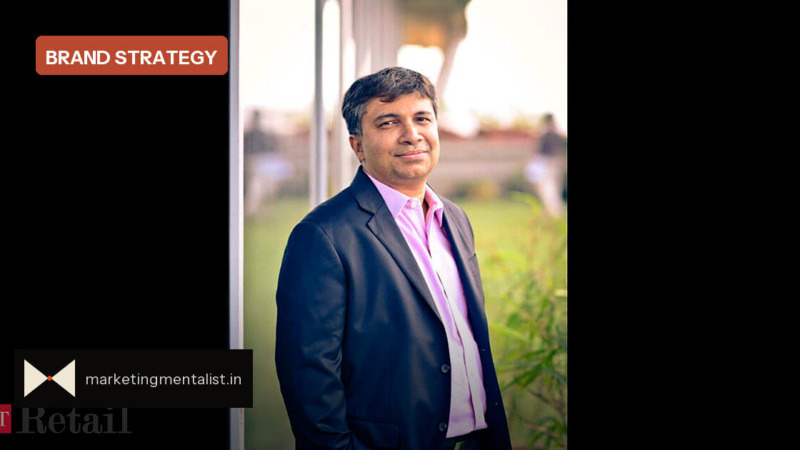
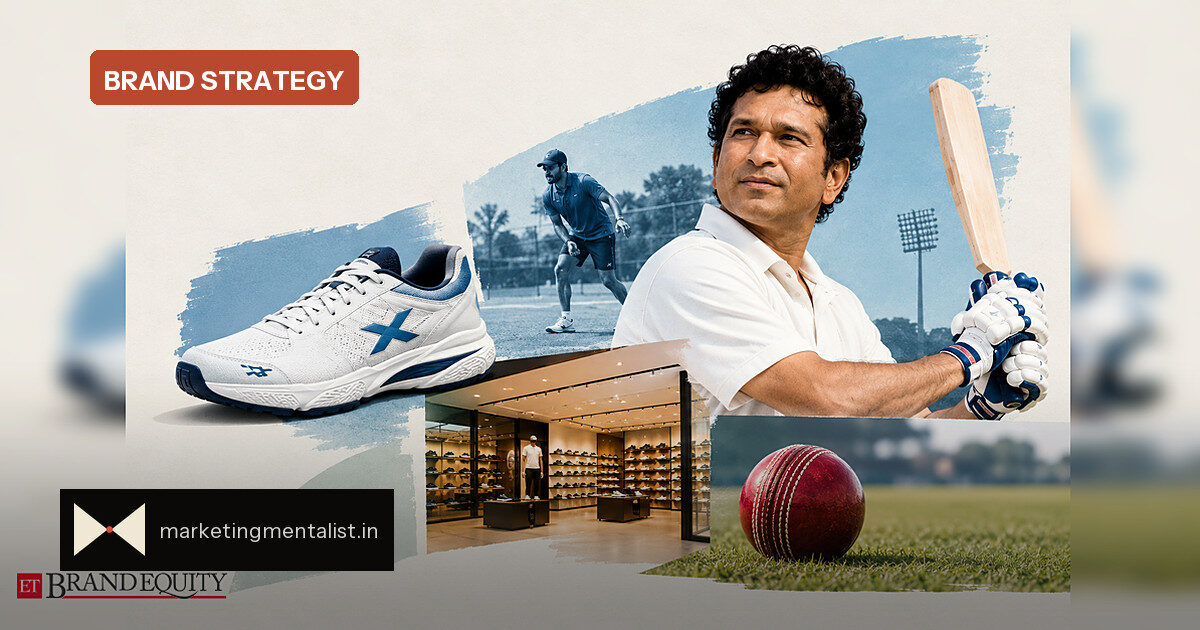
When Sachin Tendulkar co-founded TenxYou with entrepreneur Karthik Gurumurthy, the first purchases were predictable. In the first four to five months, the top reason buyers gave was, essentially, “I bought this because of Sachin.” Gurumurthy found that flattering but also a little worrying. A famous co-founder can buy trial, but trial alone does not build a business.
The shift TenxYou wanted came when comfort overtook the name as the top purchase reason. At that point Tendulkar’s role changed from purchase trigger to trust layer. That is the real challenge for any celebrity-led brand: how to make the product, rather than the personality, the reason people return.
The INR 2,000-5,000 whitespace
TenxYou was built around a pricing gap. Below INR 2,000, traditional Indian brands and value players such as Decathlon compete. Above INR 8,000-10,000, international names such as Nike and Adidas sell shoes with better soles, insoles and construction. In between sits an expanding band where consumers are upgrading but do not want to pay premium international prices.
Gurumurthy cites Reebok a decade ago and Puma today as brands that found traction at similar price points in India. The insight is simple: the sub-INR 2,000 segment is not growing at the same pace and is shrinking in some pockets, while the INR 2,000-5,000 bracket is expanding.
- Below INR 2,000: value players, flat or shrinking in pockets
- INR 2,000-5,000: the upgrade band TenxYou is targeting
- INR 8,000 and above: premium international construction
Product first, Sachin as trust
Tendulkar’s involvement is real. He joins three or four calls a week, spends hours reviewing single products, checks every colourway, wears the shoes and sends them to players for feedback. As Gurumurthy put it: “You can do a marketing gimmick for some time, but your product has to be the real secret beyond the point.”
The Swiggy years shaped the operating style. Gurumurthy says he would rather launch a 90 per cent solution and improve it from reviews than wait for perfection. TenxYou holds a 4.3 out of 5 rating on Myntra across more than 1,500 reviews, which he says is higher than New Balance and Nike. The brand claims over one lakh customers in its first year, an annual revenue run rate above INR 50 crore, and cricket contributes about 40 per cent of sales.
Marketing without the celebrity playbook
TenxYou is not copying the big-sponsorship model. Its first six months focused on product marketing, including raw clips from Tendulkar’s development sessions where he sometimes says he would never wear a particular shoe. The “Never Stop Playing” campaign is built around the idea that people do not need to be the best in the world to feel on top of it, with Tendulkar shown playing tennis.
The ground game matters too: about 50 games on National Sports Day, Saturday-night “happy hours” where TenxYou pays for people to play, and tie-ups with small running groups such as Tapi Runners. On YouTube, 30-40 per cent of viewers watch the full brand film. The budget logic is different: instead of spending heavily on sponsorships, TenxYou puts more of the selling price into the product and passes that value to buyers.
Why physical stores come next
Gurumurthy believes India undervalues physical availability. Footwear is a touch-and-feel category, unlike protein powder, which means digital shelf alone is not enough. The plan: 10 company-owned stores in six months, 40-50 within two years, and eventually more than 300, with franchising starting after the first 10-15 stores.
The product range is expanding carefully. A court shoe is expected in 15-20 days, followed by pickleball and gym-training shoes. Marketplace data also shapes decisions; the court shoe came from a whitespace a marketplace flagged just three months earlier. That loop of customer feedback, marketplace insight and on-ground activation is the engine for the next two to three years.
Source: ETBrandEquity.com