The Psychology of the People Jio’s 2016 Offer Created
From the midnight binger to Dadi's first video call, five everyday archetypes reveal how removing the data meter rewired Indian consumer behaviour.
We often frame the last decade as a technology shift: faster data, more screens, new apps. But for a marketer the more useful way to read it is behavioural. A single pricing decision removed the mental stop sign that had been shaping how people used the internet.
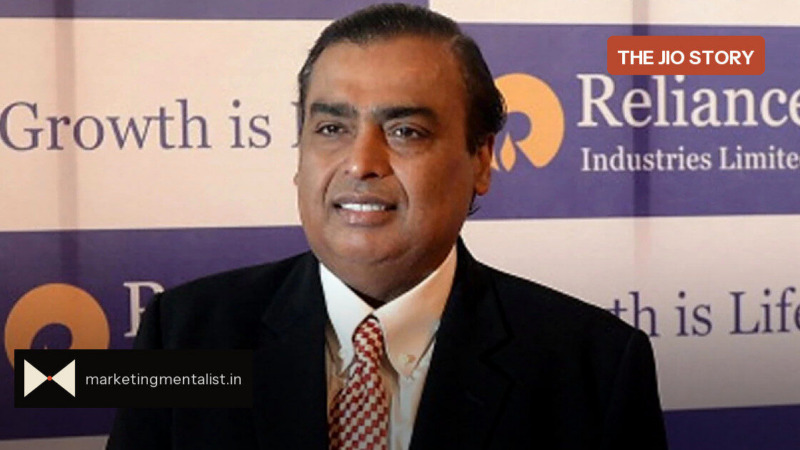
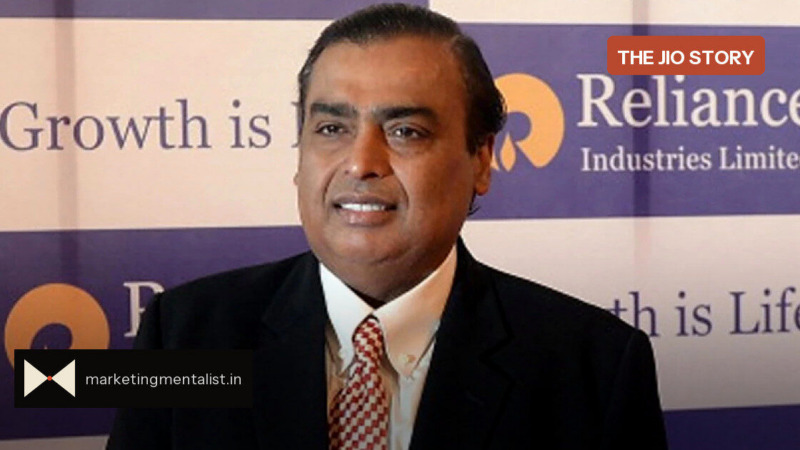
In 2016, Jio launched with the Welcome Offer: unlimited 4G data, voice, video and apps, according to Reliance Industries. It reached 100 million subscribers within 170 days of launch, the company reported in the Reliance Industries Integrated Annual Report 2016-17. Today, Reliance Jio Infocomm reports 524 million+ customers as of March 2026.
Numbers describe scale. They do not describe the quiet rewiring of daily behaviour: the pause before a download, the countdown on a video, the request for a hotspot. Those pauses were where consumer psychology lived.
The meter was the mental block
The post-2016 user types are not really about demographics. They are about different ways people converted newly abundant data into identity and routine.
- The data saver had been trained by scarcity. When the constraint lifted, saving became less about survival and more about control; small toggles and offline downloads persisted as comfortable rituals.
- The midnight binger stopped treating a long watch as a splurge. The cue was the same free evening, but the friction was gone, so the reward became the session itself.
- The kirana owner going digital did not adopt a ledger app out of novelty. Digital payment and bookkeeping won once the effort fell below the cost of maintaining the old khata.
- The first-generation creator found that showing up was no longer a privilege for people with studios or connections. When the price of being visible dropped, self-expression became a plausible identity.
- Dadi on her first video call adopted a difficult new behaviour because the emotional reward was immediate, and the social proof was her own family on the other side.
Each story runs on the same engine: remove enough friction, and people stop negotiating with the behaviour. They simply begin.
The brand lesson is habit, not hype
The offer got attention, but the real work was what followed. A promo creates a spike; a habit loop creates a default. The cue was the smartphone in hand, the routine was open and use, and the reward was not having to think about data.
That shift explains why the lasting question moved from ‘How much does data cost?’ to ‘What can we do with data?’ In behavioural terms, the category changed because the pain point was removed. Marketers working on any utility product should notice: when you eliminate a recurring micro-pain, you are not just undercutting a price. You are changing the mental model people use to decide.
What to take from the five characters
Do not build campaigns around the network’s scale; build them around the small identity moments the network makes possible. The data saver is a control-seeker. The binger is a comfort-seeker. The kirana owner is an efficiency-seeker. The creator is a display-seeker. Dadi is a connection-seeker. Five different motives, one enabling condition: data stopped being rationed.
The marketers who win the next cycle will not ask how much people can afford. They will ask what people can become when cost is no longer an excuse.