
What flydubai’s brand chief signals about reputation-led growth
Siddhartha Butalia moves from Tata Group to flydubai to lead brand and comms amid rapid fleet and network expansion.
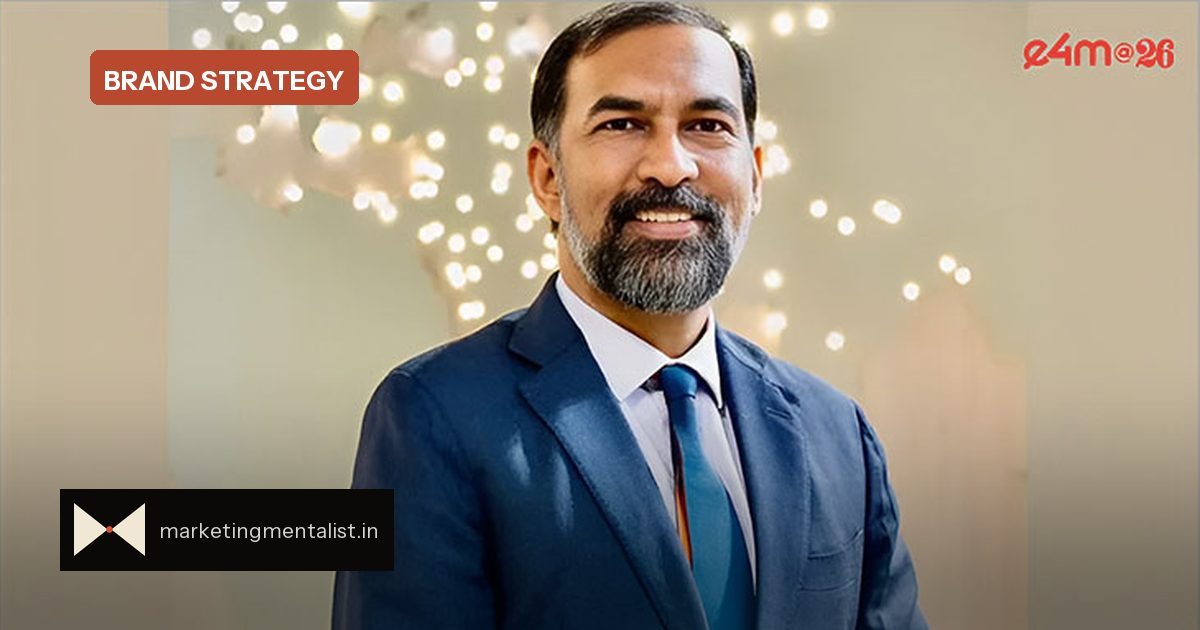
When a high-growth airline hires a two-decade Tata brand leader to sit atop corporate brand, marketing and communications, it is worth reading as more than another people-movement headline. Siddhartha Butalia has joined flydubai as Senior Vice President – Corporate Brand, Marketing & Communications, after 20 years with the Tata Group and a recent role as Chief Marketing Officer at Air India Express and AirAsia India.
The strategy hiding inside the title
Flydubai is not simply adding a senior marketer. It is consolidating marketing, public relations, internal communications and brand management under one leader while the airline scales to more than 125 destinations across 56 countries. The carrier is also preparing for fleet growth, with 11 additional aircraft arriving in 2026 and larger deliveries to follow.
The role is explicitly tied to enhancing reputation, strengthening stakeholder engagement and aligning communications with corporate growth objectives and geopolitical considerations. In the airline’s own framing, that includes managing “reputation, policy influence, and thought leadership.” That is a clear signal: brand is being treated as strategic infrastructure, not promotional output.
What brand leaders should notice
- Brand is bundled with policy and reputation. Influence and thought leadership are now inside the mandate, not afterthoughts.
- Internal communications sits in the brand role. During expansion, employees carry the brand promise before advertising can.
- Fleet growth is paired with narrative control. More routes and aircraft can dilute trust unless the story stays coherent.
- Geopolitics is a brand variable. Cross-border businesses are managing perception where policy, partnerships and buying decisions meet.
The Say-Do-Trust loop
Butalia’s Tata chapter is instructive. He was part of Air India Express’s brand revamp and loyalty push during the group’s aviation transformation—work that connected positioning to a clearer customer and employee promise. That is the practical test for brand leaders: when the business model changes quickly, the brand has to carry the new identity before consumers fully experience it.
One useful frame is Say-Do-Trust. First, make a precise external promise. Second, align operations, staff and service delivery to keep it. Third, earn stakeholder trust that compounds into pricing power, loyalty and resilience. Flydubai’s lie-flat Business Class retrofit and expanding network add more surface area for the “do”; the new brand chief’s job is to keep the “say” and “trust” in sync.
What to do about it
If your brand is scaling, ask whether marketing and communications operate as separate functions or as one reputation system. When growth outruns narrative, trust becomes the casualty. Flydubai’s move suggests the strongest brands treat corporate brand leadership as a steward of coherence—not merely a producer of campaigns.
Source: Indian Advertising Media & Marketing News – exchange4media