Why 2016 turned video calls into India’s shared memory
Nostalgia works harder when a memory is shared. The 2016 Jio data moment turned first video calls into collective nostalgia—and a brand lesson.
Some memories are private. Others belong to a room. The first time a grandparent saw a grandchild on a screen, the first video call from a bus or a hostel, the first unlimited weekend session that did not end with a data warning—these aren’t just individual recollections. They are shared reference points, and that is exactly why they keep showing up in brand storytelling.
The 2016 moment was a shared reset
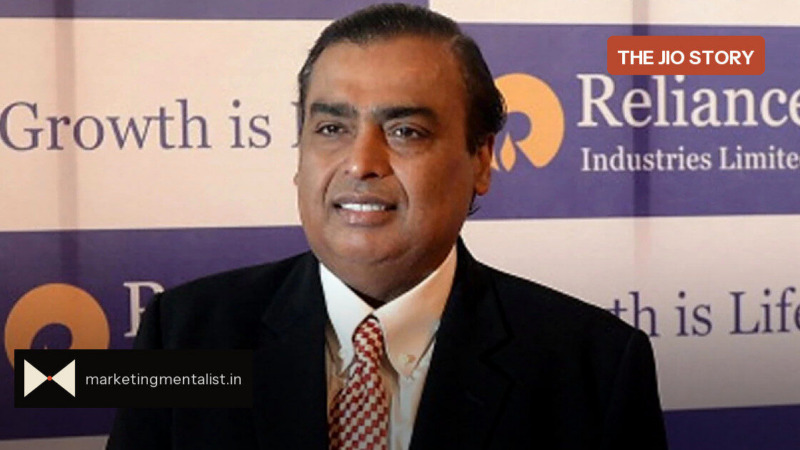
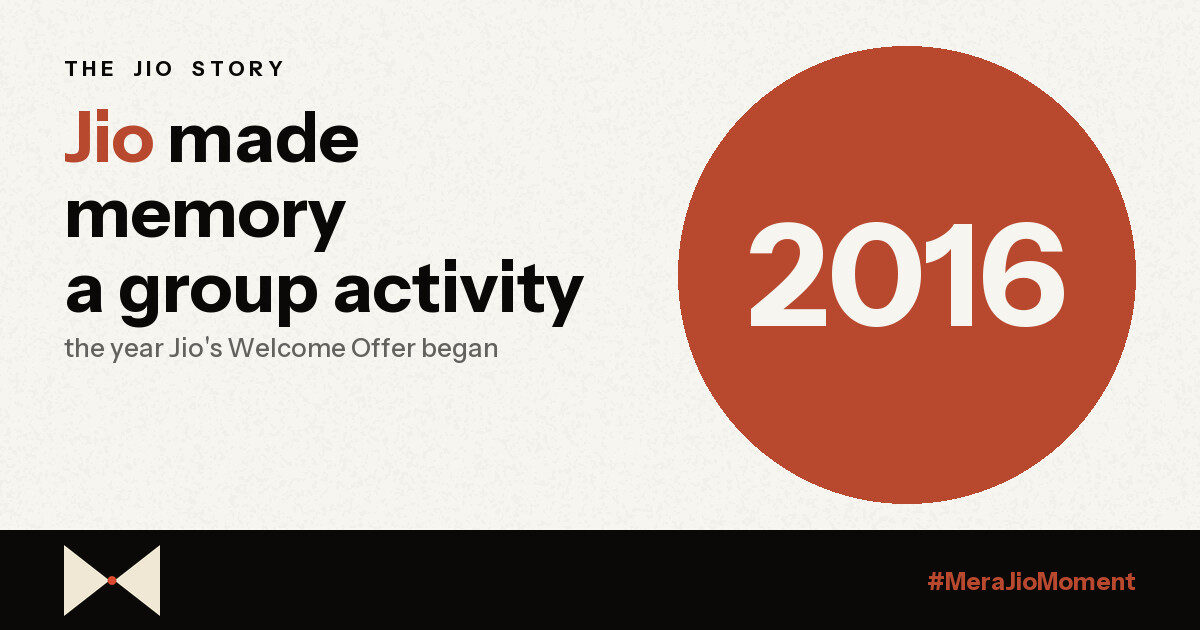
In 2016, Jio launched with the Welcome Offer: unlimited 4G data, voice, video and apps, as Reliance Industries reported. Within 170 days, the company reported 100 million subscribers. The speed mattered, but the psychological shift matters more. For many, the barrier was not just data price; it was the habit of scarcity. When the constraint dropped, a new behaviour appeared almost overnight: the video call as a regular, ordinary, emotional event.
The question India asked moved from “How much does data cost?” to “What can we do with data?” That framing line explains why the memory stuck. A price drop is soon forgotten. A first experience—especially one shared across generations—becomes a story people retell.
Why collective nostalgia feels different
Nostalgia is usually described as a warm feeling about one’s own past. But collective nostalgia adds a stronger ingredient: belonging. When a person says “my first video call home,” they are rarely telling a story only about themselves. They are inviting someone else to say “same here.” The memory becomes a social token.
- It is date-stamped: the event is tied to a clear before-and-after, not a vague era.
- It is relational: the memory includes another person, often across distance or age.
- It is repeatable: people can retell it in one line, which makes it travel.
Brands often chase “moments” by creating ads. Shared memory is different: it forms when the product is present in the background of a moment the customer already owns. The brand is not the hero; it is the infrastructure of the scene.
What marketers can take from the pattern
The 2016 data moment worked as collective nostalgia because it had a clear temporal marker, a visible shift in daily behaviour, and a low-stakes emotional script anyone could follow. Jio’s ecosystem today spans far more than connectivity—entertainment, commerce, payments, devices, cloud and AI, according to Reliance Industries’ 48th AGM in August 2025—but the earliest memory remains the most portable.
For brand managers, the lesson is practical. Do not ask customers to remember your feature. Ask which moment your feature quietly made possible, and whether two people can say “same here” about it. A shared memory is cheaper than persuasion because it carries its own proof: if we both remember it, it must have mattered.
The Jio story is still unfolding, with 524 million+ customers reported by Reliance Jio Infocomm in March 2026. But what people recall first is not the scale. It is the call home, the small screen lit up, and the feeling that everyone else was doing it too. That is the psychology behind marketing that works.