From data rations to unlimited: the quiet shift since 2016
The shift from rationed data to always-on access changed more than plans. It changed what people count: not megabytes, but attention.
Before 2016, an Indian smartphone often behaved like a ration card. People tracked data the way previous generations tracked cooking gas: know the limit, stretch the month, switch off the moment it is not needed. The cyber cafe was not a nostalgia prop. It was the place with the stronger connection and the printer that saved a job application.
The scarcity was the product
In that world, the dominant question was simple: how much does data cost? It shaped behaviour. Songs were downloaded on Wi-Fi. Videos were saved for home. A background app that refreshed too eagerly could feel like a leak in the cylinder.
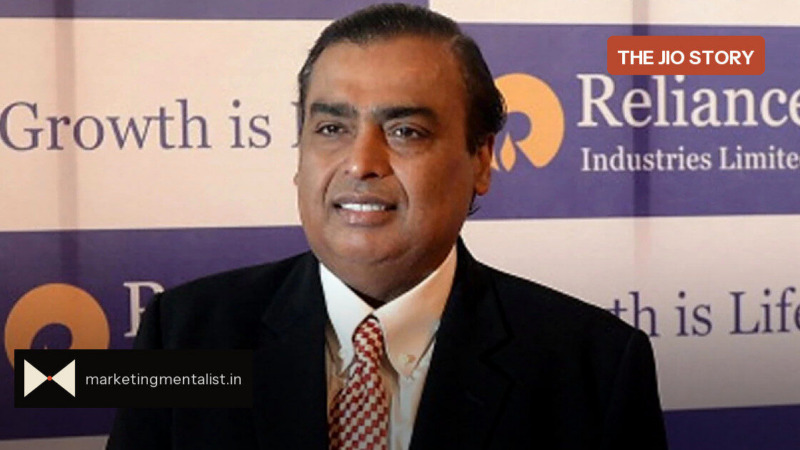
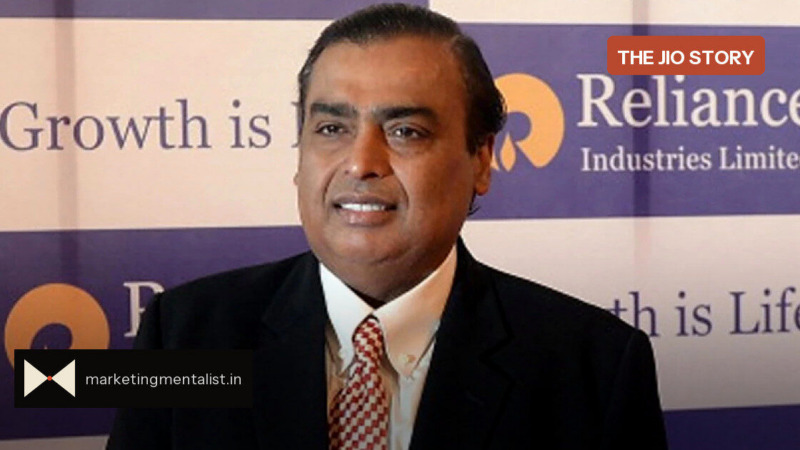
In 2016, Reliance Jio launched with the Welcome Offer: unlimited 4G data, voice, video and apps (Reliance Industries). It did more than change a plan. It reset the reference point. When unlimited becomes the starting point, every previous habit of rationing starts to look like friction.
The zero-price effect, felt everywhere
Consumers rarely judge an offer in absolute terms. They compare it with what they are used to. When the old arithmetic of cost per megabyte disappeared, the mental accounting changed with it. People stopped saying “let me check if I have data” and started saying “let me check what I want to watch.”
Jio reached 100 million subscribers within 170 days of launch (company-reported; Reliance Industries Integrated Annual Report 2016-17). As a distribution story, that speed is remarkable. As a behavioural story, it shows how quickly a new default can spread when the old friction is removed.
From the cyber cafe to the phone in every pocket
The cyber cafe was a destination you planned around. The phone is a context you carry. That is the everyday shift underneath the numbers. Data moved from a scheduled activity to a background condition of life.
- From ‘night data’ and shared family packs to always-on streaming
- From downloading a video for later to watching on a moving bus
- From the cyber cafe as the faster computer to the phone as the primary screen
The question India asked moved from ‘How much does data cost?’ to ‘What can we do with data?’
The new scarcity is attention
When data stopped being the rationed resource, attention became the scarce one. People no longer decide what they can afford to load. They decide what deserves to stay open. That is a shift from price sensitivity to relevance sensitivity.
Reliance Jio now serves 524 million+ customers (Reliance Jio Infocomm, March 2026; company-reported). Its ecosystem spans connectivity, entertainment, commerce, payments, devices, cloud and AI (Reliance Industries 48th AGM, August 2025). Its stated priorities—connect every Indian, bring digital services home, digitise businesses, and ‘AI Everywhere for Everyone’ (Reliance Industries 48th AGM, August 2025)—point in the same direction: the next battle is not access, but what people do with it.
For marketers, the lesson is that campaigns built around ‘now you can afford to see this’ feel dated. Campaigns built around ‘this deserves your second screen’ feel current. The shift from rationing to unlimited did not only change phone bills. It changed the default settings of daily life.