Consumers are aspiration-led, not category-led: Super.money
Super.money CTO Kaushik Mukherjee on why consumers buy around aspirations and brand affinity, and what that means for segmentation and loyalty.
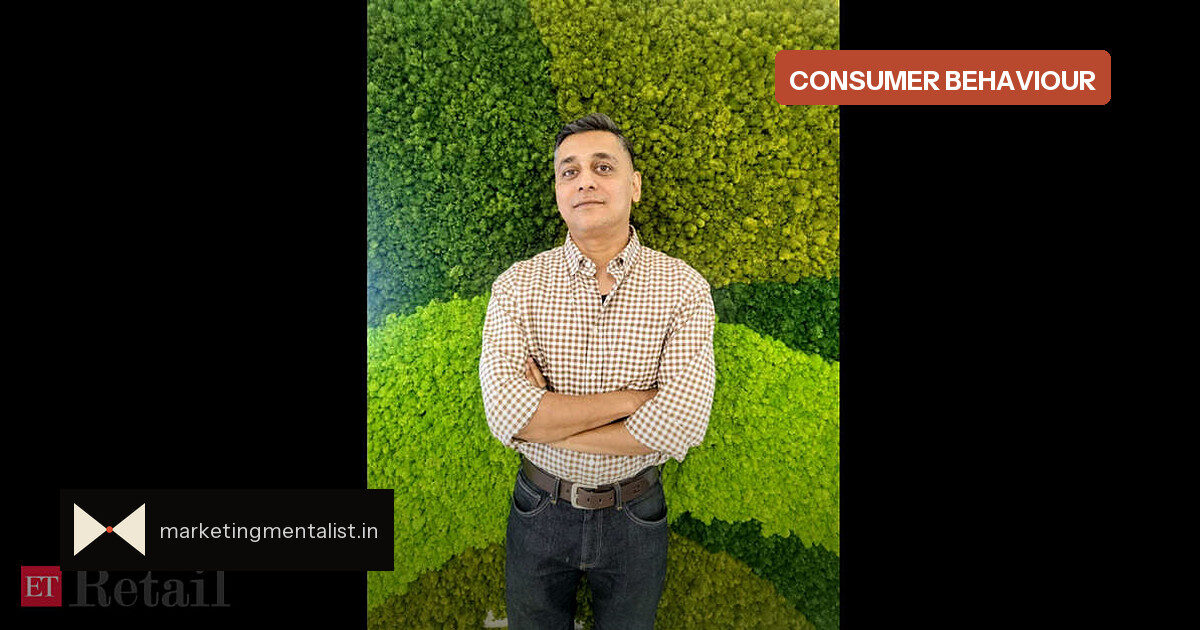
Traditional segmentation assumes people buy in tidy category boxes. Kaushik Mukherjee, chief technology officer at Super.money, says that assumption is breaking. In an interview with ETRetail, he argued that consumers are increasingly aspiration-led, not category-led, and that flexible payment demand cuts across customer segments and categories.
The category bucket is fading
Mukherjee said the insight emerged while building Super.money’s Split Store offering. The same need for payment flexibility kept showing up among very different buyers. He gave the example of a young consumer entering the workforce who still aspires to buy a premium handbag. Another consumer might prefer to split a gadget payment into three instalments rather than pay upfront. The behaviour was visible across categories and customer segments.
He described buyers as aware of how they manage expenses and possessing “brand affinity.” In practice, that shifts attention from who someone is on paper to what they care about and which brands they trust.
Offers open the door, not loyalty
For retail and D2C brands, the CTO draws a clear line: promotional offers can get a foot in the door, but they are not enough. What keeps a consumer is the gap between promise and experience. A brand has to surface the right product for a customer’s aspiration and make sure what arrives matches what was claimed. Otherwise the discount simply trains trial without building a reason to return.
This is a familiar pattern in behavioural marketing: offers create a reason to try, but consistency, relevance and delivery create a reason to stay.
What to watch for
- Replace demographic-only segments with aspiration and brand-affinity signals.
- Treat flexible payments as a journey and conversion tool, not a discount.
- Use offers for entry, but let product and experience close loyalty.
Technology follows attention
Super.money claims it processes nearly 1.5 billion events a day. Its data science models use those signals to decide which products or verticals should be shown to a user. With around 150 engineers and seven verticals launched over two-and-a-half to three years, AI supports code generation and infrastructure. Mukherjee is careful to say that reviews are still overseen by humans. The foundation remains UPI guardrails, with performance and reliability as the two non-negotiables. During large sale events, a bank outage or a stuck payment can hurt customer experience even when the fault lies outside a company’s direct control.
What this means for marketers
For marketers, the practical shift is to map aspiration and brand affinity alongside demographics. Then surface products by where someone is in the journey, not by how many products you can push. Mukherjee also sees a distribution opportunity for platforms like Super.money to give niche D2C brands greater exposure. The brands that win will anticipate aspiration, deliver on the promise, and stay relevant under operational pressure.
Source: ETRetail.com