
Tweens Are Back as a $100 Billion Retail Force
Retailers from Walmart to Claire's are rebuilding the tween market. The lesson for marketers: curation, identity and parent trust drive the comeback.
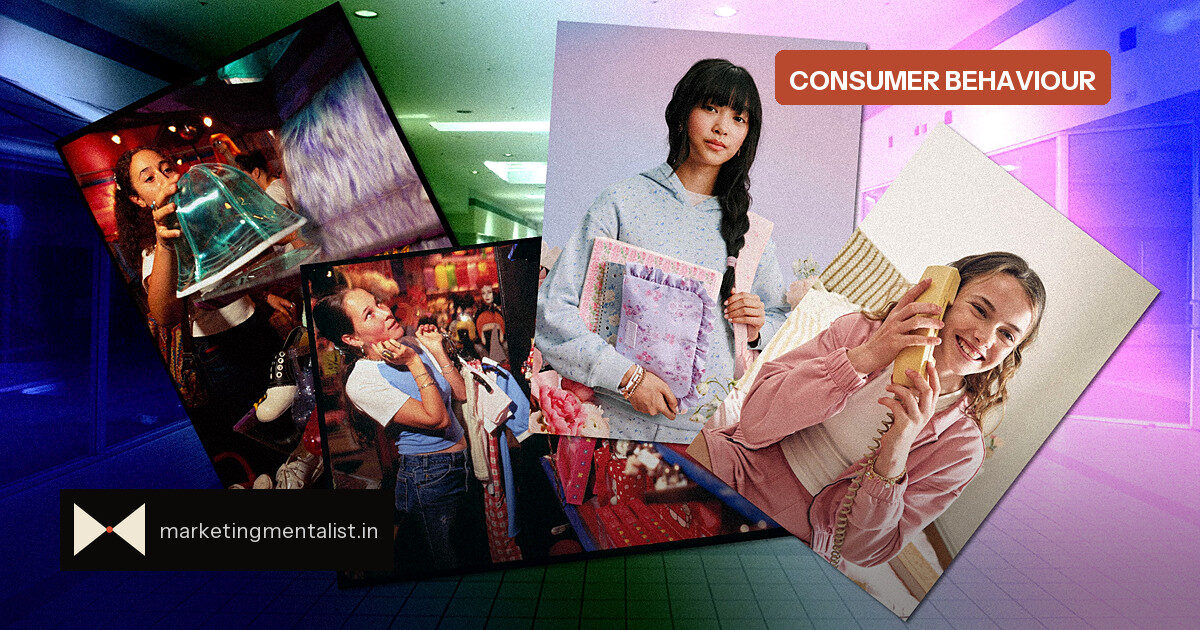
Fast Company reports that the American tween—roughly ages 7 to 14—is back as a serious retail segment, and the comeback is visible across big-box aisles, startup landing pages and legacy brands.
A market that lost its stage
In the 1990s, brands treated tweens as real customers. Claire’s supplied accessories, Limited Too sold baby tees, and Delia’s catalogs arrived with styling ideas. Tween magazines offered quizzes and identity cues. All of it gave young shoppers, especially girls, a safe space to experiment with lip gloss and slightly more fitted clothes without leaving their comfort zone.
That infrastructure declined over two decades. Malls weakened, tween magazines closed one after another, and the distinct tween stage fragmented.
Retailers are rebuilding the stage
Fast Company points to several fresh bets. Walmart and Target have launched collections aimed at the 7-to-14 bracket. Maisonette created Neon Rebels for ages 7 to 14, curating tween clothes and beauty products. Skincare startups such as Pipa, Bubble and Evereden are entering the space. Even millennial brands like Away now see tweens as a possible next market.
Legacy names are also returning. Claire’s is redesigning stores after a private-equity cash infusion, and Kohl’s has relaunched Limited Too.
Why this matters for brand managers
The tween window is psychologically distinct. It is the first paid laboratory for identity. Shoppers in this age range want self-expression but with low social risk, and parents still hold the purchase veto.
- Tweens buy identity before they buy utility.
- Curation, not mini-adult products, wins trust.
- Legacy names carry parent nostalgia that can collapse decades if the experience feels dated.
What to do about it
If you hold a dormant brand with memory equity, consider reintroducing it as a curated identity kit across apparel, beauty and community. If you are launching new, earn the parent’s trust in the same moment you hand tweens self-expression. The segment never disappeared; it simply lost its retail and media stage. Rebuilding that stage is the strategy.
Source: Fast Company


