Why GOPIZZA became GTGO: a masterbrand play
The Korean pizza chain is renaming its parent to make room for street food, desserts and B2B food tech. Here's the brand architecture lesson.
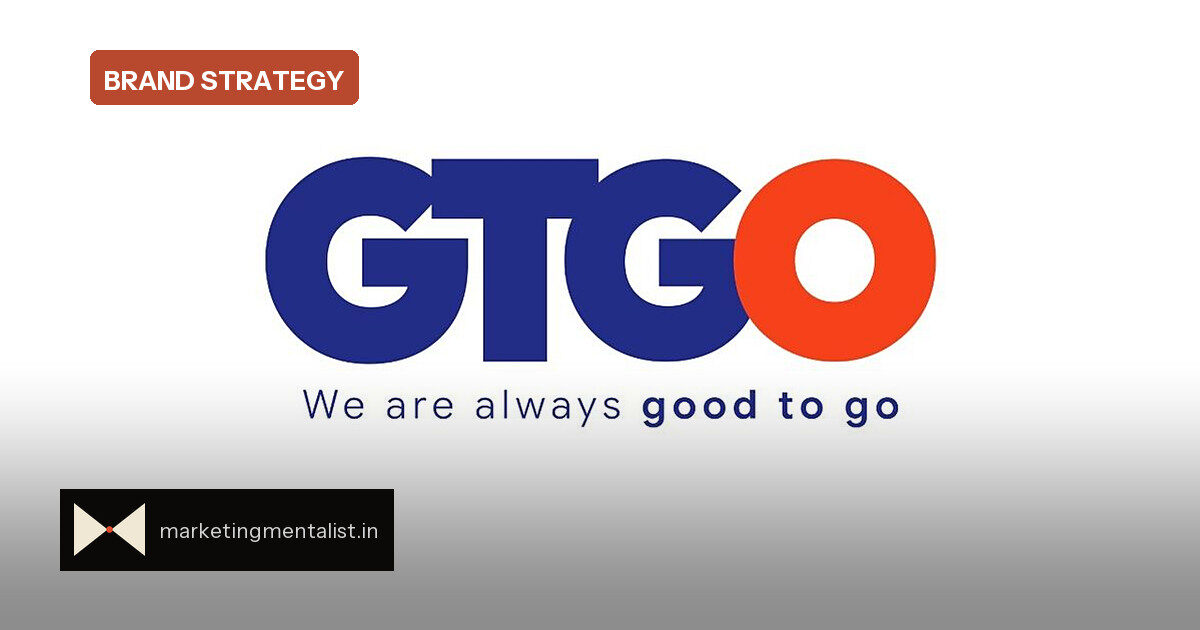
GOPIZZA is no longer just a pizza name. The South Korean chain has rebranded its parent company to GTGO as it expands from a single-category pizza business into a multi-brand Korean food and beverage platform.
The timing is deliberate. The change lands as the company marks its fifth anniversary and now operates across 11 countries. In India, GTGO runs more than 65 stores under three separate banners: GOPIZZA for pizza, Gochujang for Korean street food and Dalkomi for Korean desserts. Together they form what the company calls its K-Food Platform strategy.
The naming problem was the strategy problem
This is a classic brand architecture move. A product brand such as GOPIZZA is efficient while the business sells one thing. The moment a menu expands into gochujang or desserts, the name stops helping and starts adding cognitive work: customers have to ask why a pizza brand is selling Korean sweets.
By shifting the parent name to GTGO, the company separates the corporate story from the category story. Each sub-brand can stay narrow, concrete and appetite-specific, while GTGO becomes the trust layer that holds the portfolio together.
Why India is the test market
Co-founder and CEO Mahesh Reddy framed the move as a bet on local tailoring: “This multi-brand approach, tailored to individual markets rather than built around a single global brand, is now central to GTGO’s strategy overseas.”
India matters because the stakes are high. Reddy points to a population of 1.4 billion and one of the world’s fastest-growing food service sectors as the proving ground for the model. If the K-Food Platform works there, GTGO expects the playbook to inform other markets.
The hidden second business
The rebrand also clears room for a B2B story. GTGO’s proprietary food technology—conveyor ovens and compact kiosk systems—is already deployed across more than 1,600 stores globally through retail partnerships such as GS25 and CGV. The company says it is exploring B2B opportunities around that technology, not just running food outlets.
For marketers, the lesson is simple:
- Don’t let a category-specific name become the ceiling for the company.
- Use a masterbrand to carry portfolio trust and local sub-brands to carry appetite.
- Look for hidden assets—technology, kiosks, logistics—that can become a second brand story.
Global CEO and founder Lim Jae-won called the change a milestone in moving beyond what was previously confined to GOPIZZA. That is exactly the logic: not abandoning the pizza brand, but giving the parent enough room to grow past it.
Source: Afaqs!