Gold Spot Returns: Coca-Cola Sells Nostalgia in a Can
The orange drink that defined Indian childhoods returns in a low-sugar can. Here's how Coca-Cola is using nostalgia to lower the cost of trial.
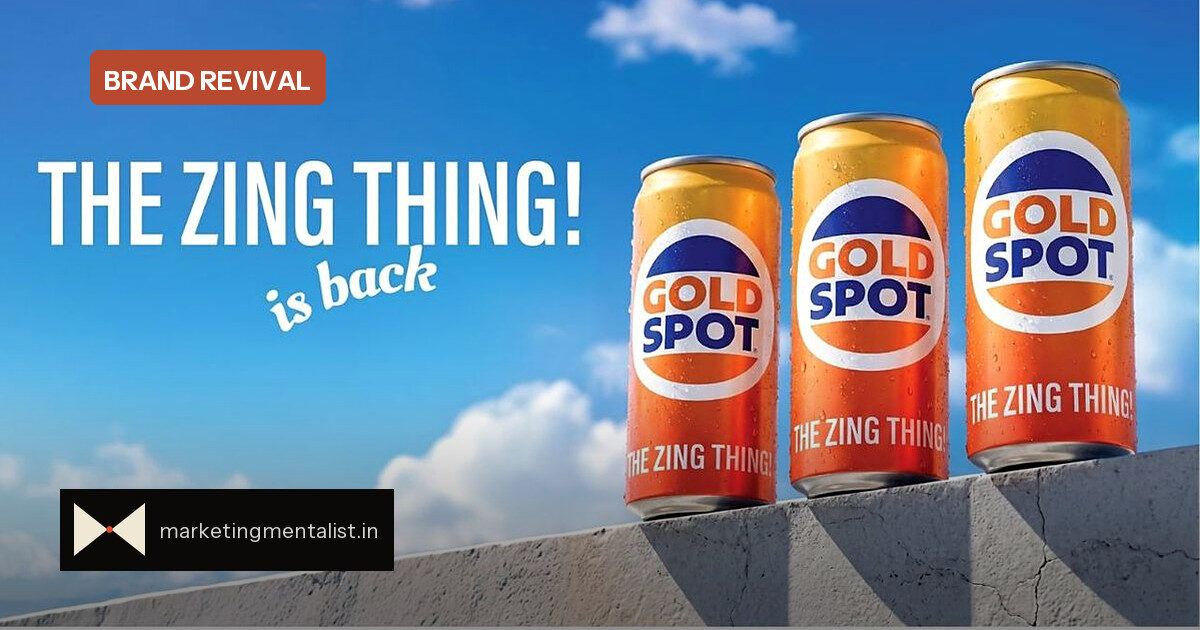
Gold Spot is back. Coca-Cola India has revived the orange drink that first appeared in India in 1952, returning it in a new can with the same tangy orange flavour and the spirited tagline, “The Zing Thing,” which the brand introduced in the mid-1980s.
The relaunch is more than a product announcement. It is a deliberate memory play: bring back a taste millions of Indians grew up with, then wrap it in a format that fits today’s on-demand shopping habits.
A brand built on remembered moments
Gold Spot’s original presence was tied to everyday rituals such as school canteen breaks, birthday parties and neighbourhood hangouts. Sumeli Chatterjee, head of sparkling flavors marketing at Coca-Cola India and Southwest Asia, put it simply: almost everyone who grew up with the drink has a story to tell. “One sip and the Zing does the talking,” she said.
That line is the strategy in miniature. The company is not asking consumers to evaluate a new orange soda on taste alone. It is asking them to re-experience a feeling. In behavioural terms, this leans on the reminiscence bump — the tendency to encode adolescence and early adulthood with unusual emotional weight, and to prefer things connected to that period.
Why nostalgia lowers the cost of trial
For a legacy relaunch to work, three things usually have to line up:
- Familiar sensory cue: the tangy orange taste stays recognisable, so memory does the selling.
- Updated format: the drink now comes as a low-sugar beverage in a contemporary can, fitting current health and consumption expectations.
- Modern distribution: it launches on Blinkit, Swiggy Instamart, Zepto, Flipkart Minutes and Amazon Now, meeting people where they already discover and shop.
Gold Spot joined The Coca-Cola Company’s family in 1993. Its return lets the brand serve two audiences at once: older consumers who feel ownership of the product, and younger consumers who discover it as something fresh with a retro-cool sheen.
What brand managers should take away
Nostalgia is not simply re-releasing an old product. The most persuasive revivals keep the emotional trigger intact while removing the friction that made the original inconvenient today. In Gold Spot’s case, the trigger is the zingy taste and tagline; the friction was old packaging, sugar load and retail-only availability. All three have been updated.
There is a warning here too. Memory is fragile. If the new product does not match the remembered taste closely enough, the same nostalgia that pulled consumers in can turn into disappointment, and they may feel the brand altered a part of their personal history.
For Indian marketers, the distribution choices matter as much as the memory. Launching on quick-commerce platforms makes a “childhood” product available within minutes, turning a nostalgic impulse into an immediate purchase before the feeling fades.
The lesson: legacy is an asset, but it must be preserved, not merely referenced.