Starbucks Bearista cup returns to feed the collector frenzy
The handblown Bearista glass cup is back for the holidays, and Starbucks is again using scarcity, nostalgia and kidulting to turn a cup into a must-have.
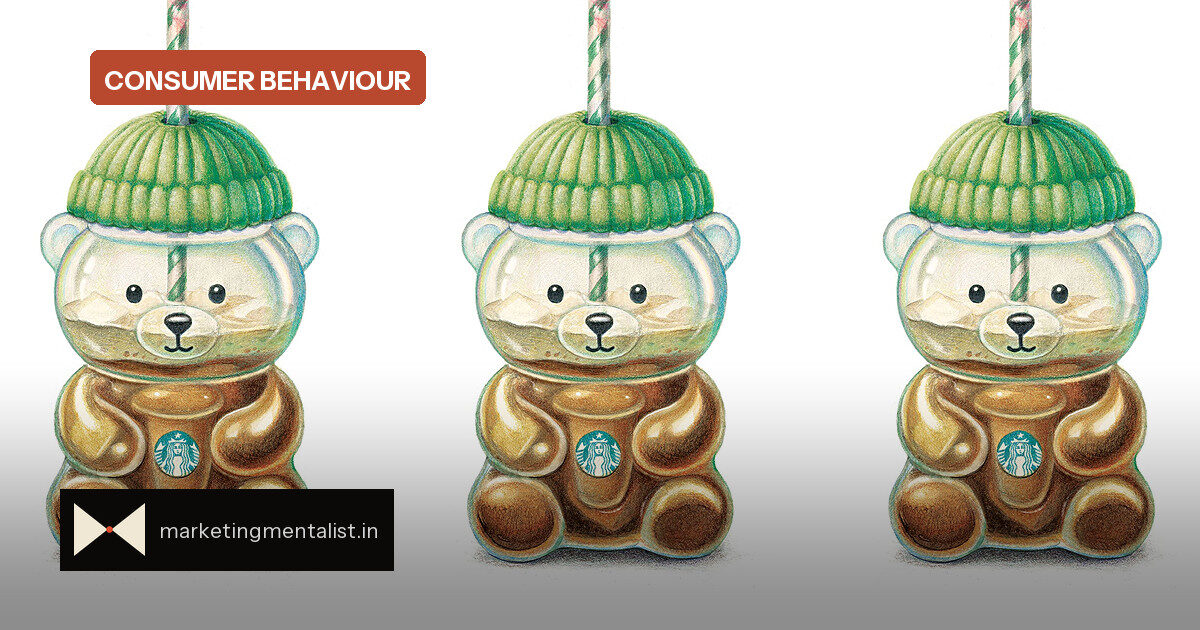
Starbucks has brought the Bearista Glass Cold Cup back for another holiday run, and the scenes it triggered the first time tell you almost everything about modern collecting. The handblown, bear-shaped glass cup—complete with a Starbucks-green beanie and a green-and-white striped straw—drew queues before store openings and, in more than one location, physical fights.
Why a bear-shaped cup creates mania
The Bearista is not a new character. It first appeared in 1997 as a plush, green-aproned holiday bear. In 2023, the mascot became a cold cup in Korea, spread through Asia, and landed in the U.S. last November. By then, American cup collectors already knew what they were missing.
Carol Casey, a cup collector and content creator known as RayahSunshine, says the community had been watching Starbucks Asia closely because the overseas cups felt more distinctive and playful.
Dana Pellicano, SVP of global product experience at Starbucks, calls the trend “kidulting”: adults leaning into playful, fun products. She links the cup’s timing to that shift, the bear’s long legacy, and the rise of cold drinks.
The scarcity engine
The cup is handmade, so supply is genuinely thin. That thin supply did more than limit sales; it created a hunt. People filmed their trips to find one, and those videos racked up views. Unsold emotion migrated to eBay, where a cup could be resold at a premium.
Pellicano is blunt about the trade-off. “When you say yes to something, you’re saying no to something else,” she says. The brand chose a premium, artisanal object and accepted that not everyone would get one. Starbucks even apologised to customers who missed out—an acknowledgement that keeps frustrated fans inside the tent.
What marketers can borrow
- Nostalgia with shelf life. A 27-year-old mascot gives the drop meaning beyond the product.
- Proof of scarcity. Handblown supply makes the shortage feel real, not invented.
- Hunt content. Creator videos turn the search into free advertising.
- A graceful apology. Acknowledging the shortage preserves goodwill for the next drop.
For marketers, the lesson is not to make fewer units for the sake of it. Desire compounds when a product is specific, storied and visibly hard to get. If you are going to limit availability, be honest about it and give fans a story to tell.