43% of BFCM Orders Now Come From Beyond Top 50 Districts
GoKwik's BFCM 2025 network data shows demand decentralising across 670 districts, with big implications for D2C targeting and payment strategy.
The sale that outgrew the metro map
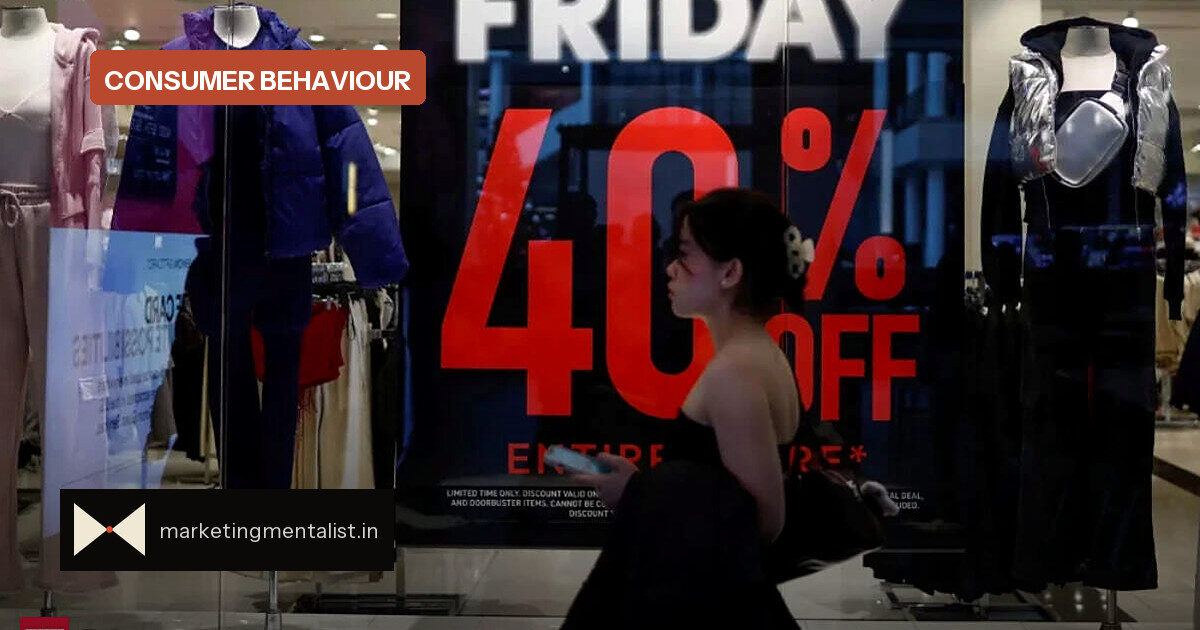
India’s biggest sale events have long been planned around a familiar set of top cities. New transaction data from GoKwik’s network suggests that mental map is outdated. During BFCM 2025, 43% of orders came from beyond the top 50 districts.
The analysis covers 19.4 lakh orders worth more than ₹250 crore. Daily GMV rose 42% against the preceding 30 days, daily order volumes climbed 30%, and average order values were up 9%.
Bengaluru led with 1.39 lakh orders, and Maharashtra topped state volumes with 3.2 lakh orders. But the more interesting line is the spread: purchases came from more than 670 districts.
Why this matters for D2C brands
For D2C marketers, the finding changes where growth can come from. A campaign built only around the top 50 districts is effectively leaving out four of every ten orders in the sale window.
Demand does not vanish after the top cities; it fragments across hundreds of smaller districts. GoKwik has made its district-level data available through a free interactive platform called KwikAtlas, aimed at helping brands spot emerging demand centres before BFCM 2026 begins on November 27.
Payment behaviour adds another layer of local complexity:
- Prepaid transactions made up 52.7% of BFCM 2025 orders, up 5.3 percentage points from the preceding period.
- Cash on delivery remained dominant in some markets: 53% of orders in Uttar Pradesh, versus 35% in Karnataka.
That gap means a single payment or checkout strategy can underperform in large parts of the country. Where cash on delivery dominates, address confirmation and delivery reliability may matter more than card-based offers.
What to do before BFCM 2026
Treat district-level data as a planning input, not an afterthought. Compare your own order distribution with the top 50 districts. Where are you already getting demand you have not been feeding with inventory or ads?
Then tailor the experience. In strong cash-on-delivery markets, test prepaid nudges carefully instead of forcing them. Where prepaid skews higher, bundles and higher average order value offers are more likely to land.
The usual caveat applies: this is GoKwik network data, not a census of all Indian e-commerce. Use it as a directional lens, not a market-size claim. But the direction is clear: the next wave of festive shopping is not coming from the same old map.