Store Design Is Psychology: Kamakshi Mantri on D2C Offline Moves
Kamakshi Mantri on why store design is psychology, festive retail's concentrated window, and how cafés became co-working spaces inside Indian malls.
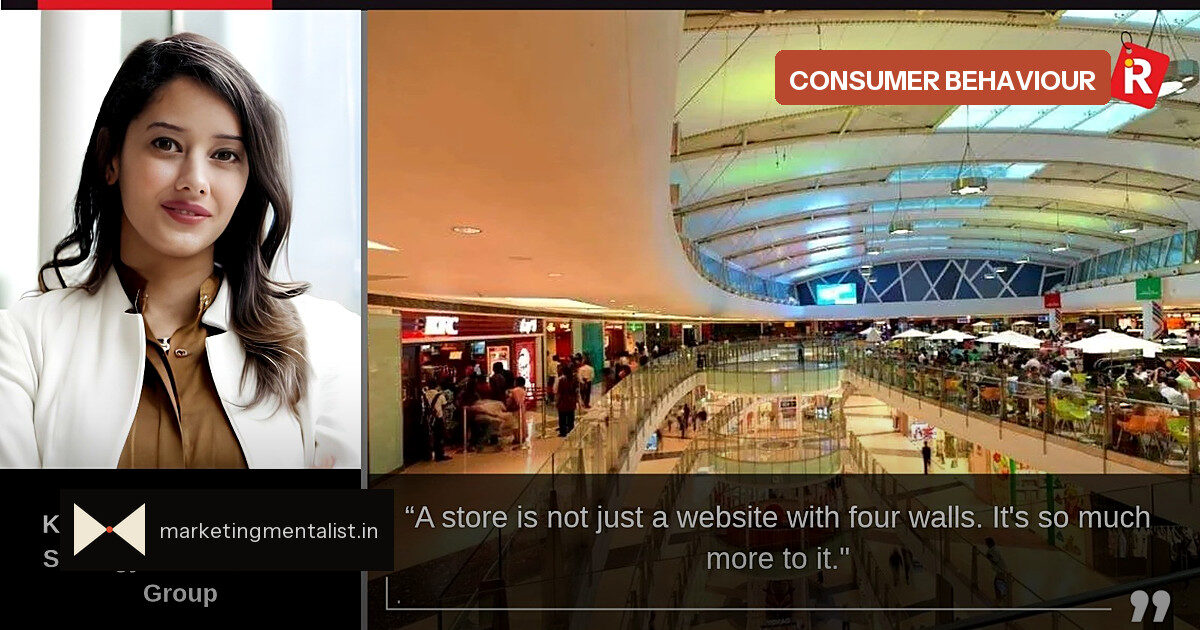
India’s malls are no longer just places to buy things: they are becoming experience destinations. As digital-first brands step into physical retail, the rules of consumer behaviour change. In a conversation with IndianRetailer, Kamakshi Mantri, Chief Strategy Officer at Mantri Group, explained why store design, festive timing and food-and-beverage spaces are now central to retail strategy.
Why D2C stores are not just websites with walls
For D2C brands that built their business online, opening a physical store feels like an obvious growth move. But Mantri cautions that most founders underestimate store design and the psychology behind it.
“A store is not just a website with four walls. It’s so much more to it,” she said.
Online, shoppers navigate through images and descriptions. Offline, they use every sense. The first products they see, the lighting, the mirrors in trial rooms, the fragrance, and how much space goes to racks versus displays all shape whether they browse and buy.
- What greets customers in the first few feet
- How lighting and mirrors make them feel while trying products
- Rack space versus display space, product quality and ambience
That turns store planning into a customer experience exercise, not a merchandising task.
Store staff should be hosts, not cashiers
The physical space is only half the job. Mantri argues that store associates should act like brand ambassadors. Their work goes beyond billing: they build relationships, walk customers through the buying journey, and follow up on WhatsApp with offers, restock alerts or online orders.
This matters beyond the immediate sale. A physical store builds credibility. As Mantri puts it, it creates “a kind of trust in the eyes of the customer that this brand has arrived.”
Festive retail rewards the prepared
Indian consumers postpone major purchases for the festive months. Mantri captures the mindset with a short Hindi phrase: “Diwali jab aayega tab lenge.” October to December packs pre-Diwali, Diwali, Christmas and New Year demand into one concentrated window.
Mantri Malls responds with a three-month Mantri Shopping Festival, plus a Shopping On programme that converts spending into gifts, vouchers and chances to win larger prizes such as cars and bikes. The festival also brings in a celebrity launch, giving shoppers a reason to visit beyond the discount.
F&B has become a co-working destination
Another shift is in food and beverage. Cafés, coffee shops and bars are no longer refuelling stops. They have become informal co-working spaces, with visitors spending three to four hours over a single coffee or cookie, working, unwinding or seeking a change from the office.
Mantri Malls is therefore moving F&B out of the old food court. Coffee shops, tea bars and matcha bars now appear across floors and zones, creating reasons for visitors to pause and stay longer.
What to do with this
Marketers should treat physical retail as experience design. Audit the first encounter, train staff to host, use the store as a brand trust asset even when it is not immediately profitable, and plan campaigns for the October-to-December festive corridor. A useful lens is to see the store as a brand asset in year one, not a profit centre. The common thread: the transaction is shrinking relative to the experience around it.
Source: IndianRetailer.com