Jio Story: The Shared Memory Effect Behind a First Video Call
Why a first video call home became collective nostalgia after Jio's 2016 data reset—and what shared memory does for brand strategy.
The memory is personal, the recall is collective
Ask someone about their first video call home and they will probably describe a specific room, a parent’s confused smile, a voice cutting in and out. The memory feels private. But when millions of people store the same scene from the same period, it stops being just personal recollection and becomes a shared reference point.
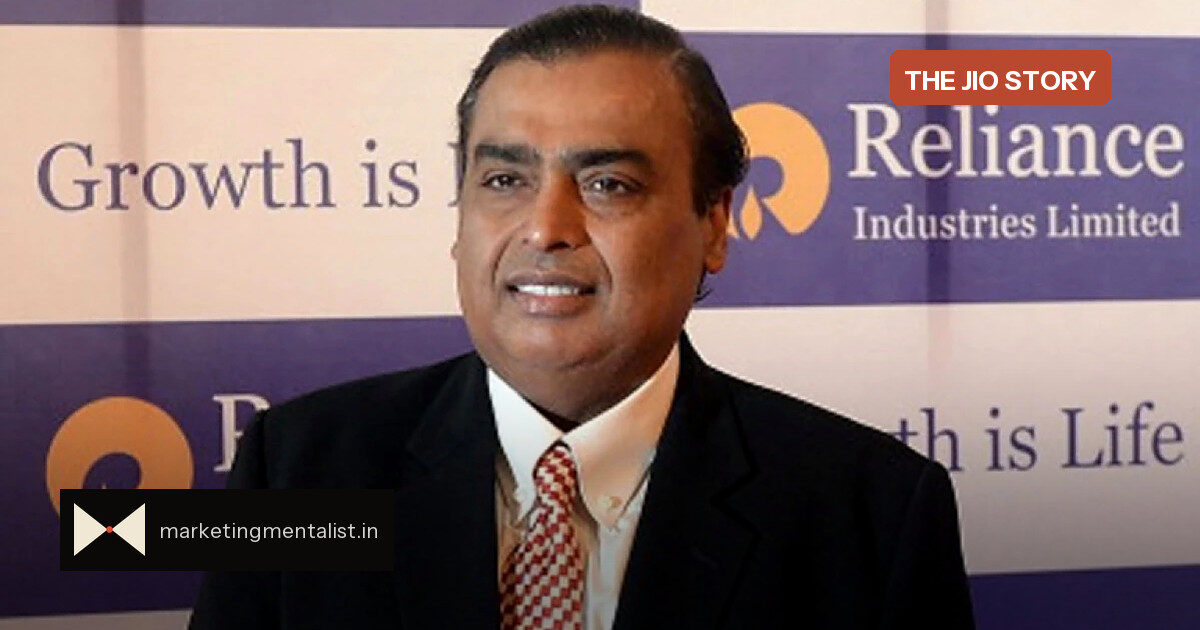
In 2016, Reliance Industries launched Jio with the Welcome Offer: unlimited 4G data, voice, video and apps. The company later reported reaching 100 million subscribers within 170 days of launch. That speed compressed a behaviour change that might otherwise have taken years into a single, widely recognisable season. People remember it less as an offer and more as the moment the video call home became normal.
Why collective nostalgia works
Collective nostalgia is not the same as individual nostalgia. Individual nostalgia is about your own past. Collective nostalgia is the feeling that many people share the same past cue. The cue can be a song, a street, a festival—or a technology moment. It lets a brand enter memory as infrastructure, not as an ad.
Shared memory has three useful features for marketers:
- It is self-retelling. People repeat the story without being prompted because it already lives in their social circle.
- It lowers explanation cost. A brand does not have to explain a habit; it can trigger a scene people already know.
- It compounds by cohort. Each new group that adopts the behaviour adds another layer of shared reference.
The data moment as a memory layer
The psychological shift was not only cheaper data. The question India asked moved from ‘How much does data cost?’ to ‘What can we do with data?’ That reframing matters because it changed the unit of memory from a bill to a behaviour—a first call, a saved photo, a live class, a village relative suddenly on screen.
Jio now serves 524 million+ customers, company-reported as of March 2026, and its ecosystem spans connectivity, entertainment, commerce, payments, devices, cloud and AI. But the brand’s memory anchor is earlier: the day data stopped being rationed. Nostalgia forms around a before/after line, and 2016 gives Jio that line.
What brands can borrow
Brands cannot declare a shared memory into existence. They can, however, design for the conditions that let one form: a sharp change, a repeatable scene, and enough people going through it at the same time. Then they should step back and let customers narrate it.
The lesson here is not about telecoms. It is about the difference between owning a product and owning the memory of a change. Products get compared. Shared memories get retold.