How Ordinary Habits Made Data Invisible
From rationed megabytes to Dadi's video call, the data saver, kirana owner and late-night streamer show how access became an invisible daily habit.
There is a particular kind of product adoption that shows up not in dashboards but in small, repeated gestures: switching off auto-play to save data, asking a shopkeeper for the Wi-Fi password, lowering a video call to voice because ‘video eats too much.’ By 2016, those gestures started to feel unnecessary.
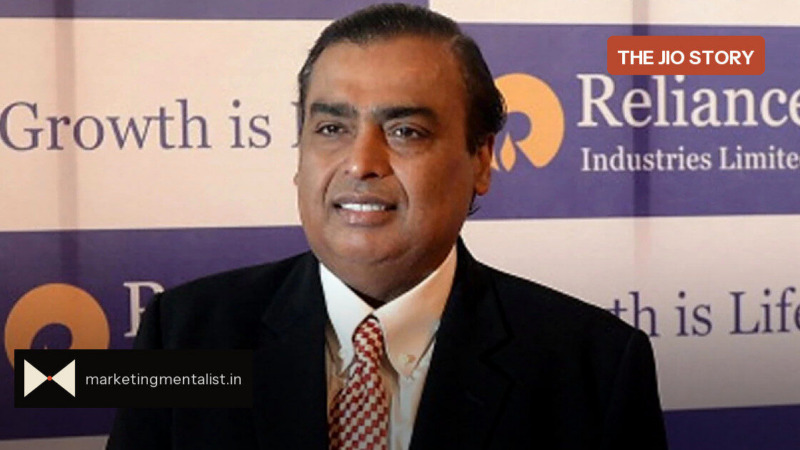
In 2016 Jio launched with the Welcome Offer: unlimited 4G data, voice, video and apps (Reliance Industries). The company reached 100 million subscribers within 170 days of launch (company-reported; Reliance Industries Integrated Annual Report 2016-17). But the deeper shift was behavioural: when data stopped being a scarce resource, people stopped negotiating with it.
That is the consumer psychology underneath the Jio story. The question India asked moved from ‘How much does data cost?’ to ‘What can we do with data?’
The data saver still lives in the background
The data saver was not a personality type; it was a coping strategy. People memorised which apps consumed background data, waited for Wi-Fi to download songs, and kept an eye on the ‘data usage’ setting. Unlimited access did not erase the habit overnight—it retired it. The relief was visible in what people stopped doing: no more turning off images in chat, no more rationing video minutes.
Psychologically, this is a shift from scarcity framing to ambient access. When a resource is metered, every action carries a small tax. When the meter disappears, attention moves to the activity itself.
The midnight binger trades waiting for choosing
Late-night streaming became a cultural pattern not because taste changed, but because the cost of a ‘one more episode’ decision collapsed. Viewers could download a season for the morning commute or stream a finale without asking whether the plan would survive. The binger’s real reward is autonomy: time becomes a content choice, not a data calculation.
The kirana owner digitises the trust he already had
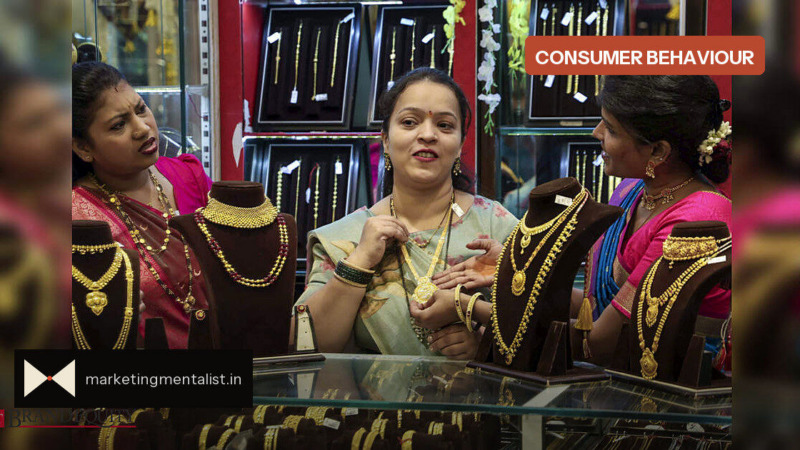
For a neighbourhood shop, going digital was rarely about replacing the counter. It was about extending it: taking orders on a phone, accepting digital payments, checking inventory in a mobile app, and being reachable after closing. The kirana owner did not need to become a tech company. He needed the technology to become as low-friction as his memory of every regular customer.
When digital tools fit existing trust, adoption feels less like learning a new system and more like remembering the old one faster.
The first-generation creator finds an audience without a gatekeeper
The first-generation creator did not wait for permission. A local dialect, a kitchen recipe, a small-town joke, a handmade craft could find its niche audience. The behavioural shift is from broadcasting to narrowcasting: relevance replaces reach because distribution is no longer the main constraint. A creator’s hometown accent can be an asset, not a limitation.
Dadi’s first video call is the real adoption signal
When an older family member uses a smartphone for a video call, the technology has usually disappeared behind the ritual. The person on the screen is the point, not the data. That first call is often remembered as an emotional event—a face, a laugh, a blessing—not as a network test. In adoption terms, that is the most valuable state: the tool becomes transparent, and the relationship becomes the product.
The arc of these small habits is the series’ long arc. Jio serves 524 million+ customers (Reliance Jio Infocomm, March 2026; company-reported), and its ecosystem today spans connectivity, entertainment, commerce, payments, devices, cloud and AI (Reliance Industries 48th AGM, August 2025). But the story people actually live is smaller and warmer:
- The data saver stops counting and starts watching.
- The midnight binger stops apologising for one more episode.
- The kirana owner takes the shop beyond the counter.
- The first-generation creator turns a local voice into a public one.
- Dadi smiles into a screen and makes distance smaller.
The stated priorities—connect every Indian, bring digital services home, digitise businesses, and ‘AI Everywhere for Everyone’ (Reliance Industries 48th AGM, August 2025)—only become meaningful when they change a daily habit this quietly. That is the psychology behind marketing that works: not the feature someone notices, but the behaviour someone keeps.