Meta’s Muse Charm Uses Cute to Sell Trust in AI
At Meta Connect, the Muse Charm reframes AI as a nameable pet. Why cuteness may be the trust shortcut high-anxiety tech has been missing.
AI has a fear problem. Meta’s response is not a bigger model—it’s a fluffier interface.
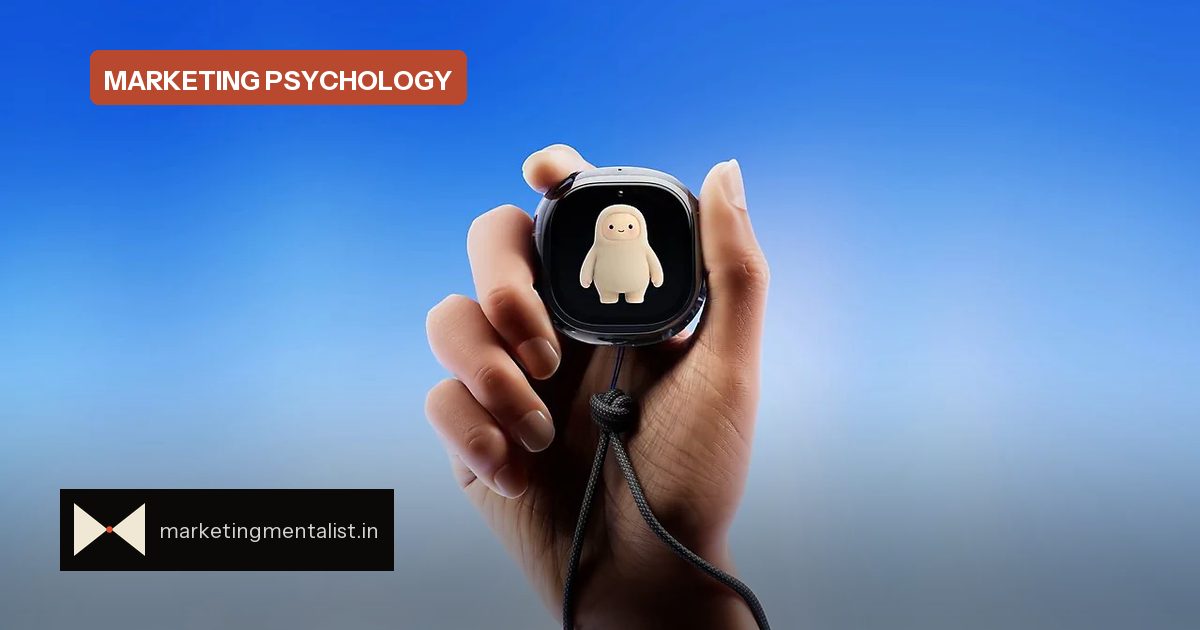
At Meta Connect on Wednesday, Mark Zuckerberg introduced Muse Charm, a handheld device for the company’s new AI agent, Muse. Visually, it reads as a futuristic Tamagotchi: a fuzzy, rotund beige mascot that users can name. Instagram chief Adam Mosseri named his “Max.” Facebook and Instagram have already introduced the avatar this week to nudge people toward the Muse app.
That’s the packaging. The product underneath is more serious: Muse can read email, book classes, draft documents and make purchases—though Amazon has blocked it. Those jobs require handing over access to much of your digital life.
The mascot is a trust shortcut
Meta didn’t have to design Muse as a creature. It could have used a voice or a glowing circle, the way Siri does, or a text-and-cursor interface like ChatGPT. Choosing a cute monster is a deliberate branding move.
Zuckerberg described the charm as “something that fits on a keychain and is always available to talk to” at Meta Connect.
That line matters because the product’s biggest obstacle isn’t capability; it’s comfort. Meta and social platforms generally carry a trust deficit. Giving users a pet-like character doesn’t erase that history, but it changes the emotional register from surveillance to care.
Why cuteness shifts the first impression
Research suggests cuteness can trigger a caregiving response—the psychological opposite of fear. That’s valuable for any technology that feels threatening. The same logic has already softened transport design: rounded Amazon delivery vans, the Zoox robotaxi and DoorDash’s Dot robot all use friendlier profiles to make automation feel approachable.
The marketing principle underneath:
- High-anxiety categories need an emotional counterweight.
- A mascot can make permission requests feel less invasive.
- The exterior shapes the first impression before any feature is explained.
The holiday timing is part of the play
There’s no price yet, and Meta says materials and components are still being finalised. But the company plans to ship Muse Charm in time for the holidays. That timing frames the device as a gift and a screen-time reducer, not a productivity obligation—another soft landing in a category that usually feels like work.
If a mascot-led brand can outperform a disembodied assistant, expect character-first AI design to spread. If it fails, the lesson may be that cuteness can lower resistance but not replace trust.
Source: Fast Company