McDonald’s serves Home Alone nostalgia with its holiday meal
Inside the Home Alone Meal: how McDonald's borrows Culkin-era nostalgia, collectible socks and playful ownership to sell the holidays.
An empty restaurant becomes a playground
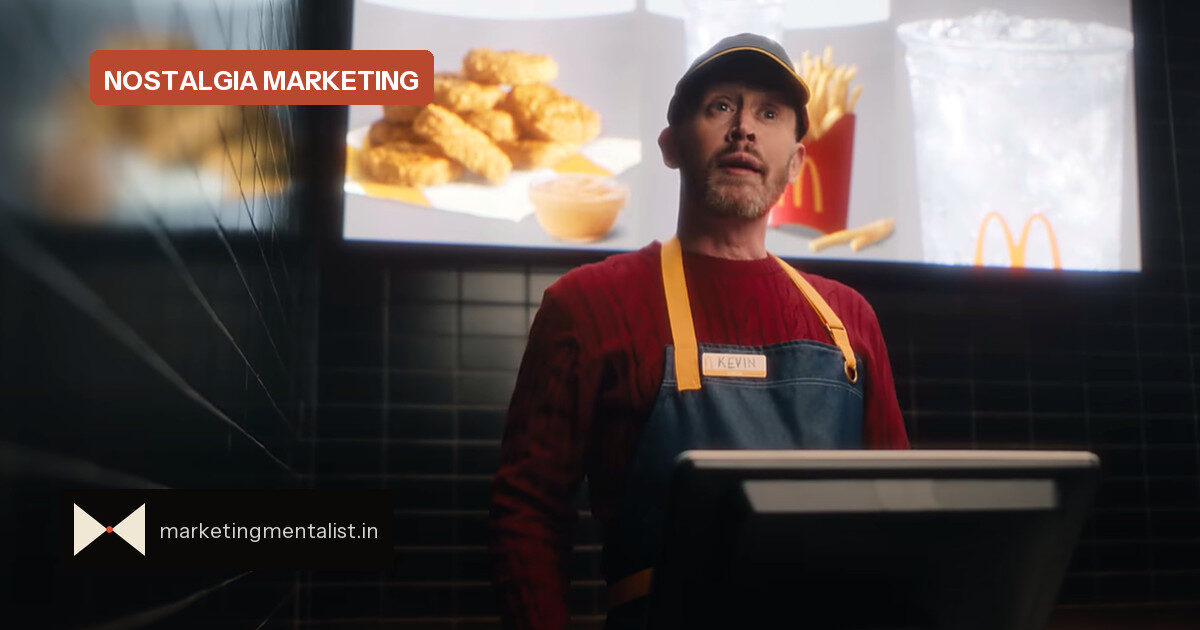
Macaulay Culkin has been home alone before, and the first time turned into a paint-can, blowtorch Christmas classic. In McDonald’s new holiday film, the empty house is now a snowstorm-emptied restaurant. The staff and customers have vanished, so Culkin does what many diners dream of: he teaches himself to use an unattended McFlurry machine and dares someone unseen to stop him. The film’s sign-off, “Alone again, huh?”, winks at the original.
The commercial promotes the Home Alone Meal, which lands at participating American restaurants on December 1, 2026. Customers choose an entree from a McGriddles breakfast to a Big Mac, and every meal comes with one of four collectible festive socks. Lunch and dinner versions add Little Nero’s Pizza McShaker Fries with a cheese pizza dipping sauce and an Everything Sundae McFlurry swirled with hot fudge, Oreo and M&M’s.
Nostalgia is the real ingredient
This is not a celebrity gag. It is a transfer of feeling. Home Alone already means childhood autonomy, harmless mischief and Christmas warmth. By putting Culkin in a familiar setting and letting him reclaim it, McDonald’s borrows three decades of stored affection and attaches it to a meal. The psychology is simple: nostalgia lowers the cognitive work of warming up to a brand. We do not need to be sold a story we have already internalised.
The commercial also uses a second lever: fans finish the ritual. Morgan Flatley, McDonald’s global chief marketing officer, says the best McDonald’s moments are “the ones our fans make their own.” That is not PR gloss. The meal turns ordering into play — collect the socks, try the pizza-flavoured fries, build the sundae — rather than a passive transaction.
- Borrowed equity: licence a property the audience already loves.
- Ritual completion: give people a small, shareable task, such as collecting socks.
- Contrast: last year’s Grinch promo used the same machine — licensed face, McShaker fry, sock.
Last year McDonald’s extended the same playbook with the Grinch in several markets. The campaign, built by Wieden+Kennedy New York around “Serving Holidays with a Side of Chaos”, handed the brand’s social channels, its Times Square billboard and its press releases to the character, and attached the familiar sock-and-fry mechanic to Grinch Salt McShaker Fries. The Home Alone Meal keeps the licensed face, the McShaker fry and the sock.
The cautionary tale in the corner
Not every holiday idea lands. In the Netherlands, McDonald’s released a 45-second AI-generated film titled “It’s the most terrible time of the year.” Intended as a tongue-in-cheek anti-Hallmark montage, it was widely called “AI slop” and read as telling people the holidays are miserable, so spend them at McDonald’s. The team behind it said it spent seven weeks refining every frame, but the audience still rejected the execution because it replaced human warmth with uncanny polish.
Contrast that with Burger King’s Advent calendar. Priced at $19.54 — a nod to Burger King’s founding year — the calendar returns with 12 miniature collectibles that assemble into a complete Burger King restaurant. Only 550 units go on sale, 110 a day from November 16, and previous editions reportedly sold out in under five minutes. Scarcity makes the collectible an event, just as Home Alone nostalgia makes the meal a memory.
What to steal
If you license a beloved property, do not just put its face on packaging. Let the consumer complete the scene — choose the entree, collect the socks, try the machine moment. And keep human warmth central. Audiences can forgive a silly idea, but they punish work that feels lazy or uncanny.
For brand managers, the lesson sits in the contrast between McDonald’s two holiday stories. Nostalgia works when it opens a door the fan wants to walk through. AI and spectacle fail when they close it.