Maharashtra Bans Infant Formula Ads and Influencer Promos
Maharashtra FDA has banned ads, free samples, cashback and influencer promotion of infant formula, with fines up to INR 10 lakh.
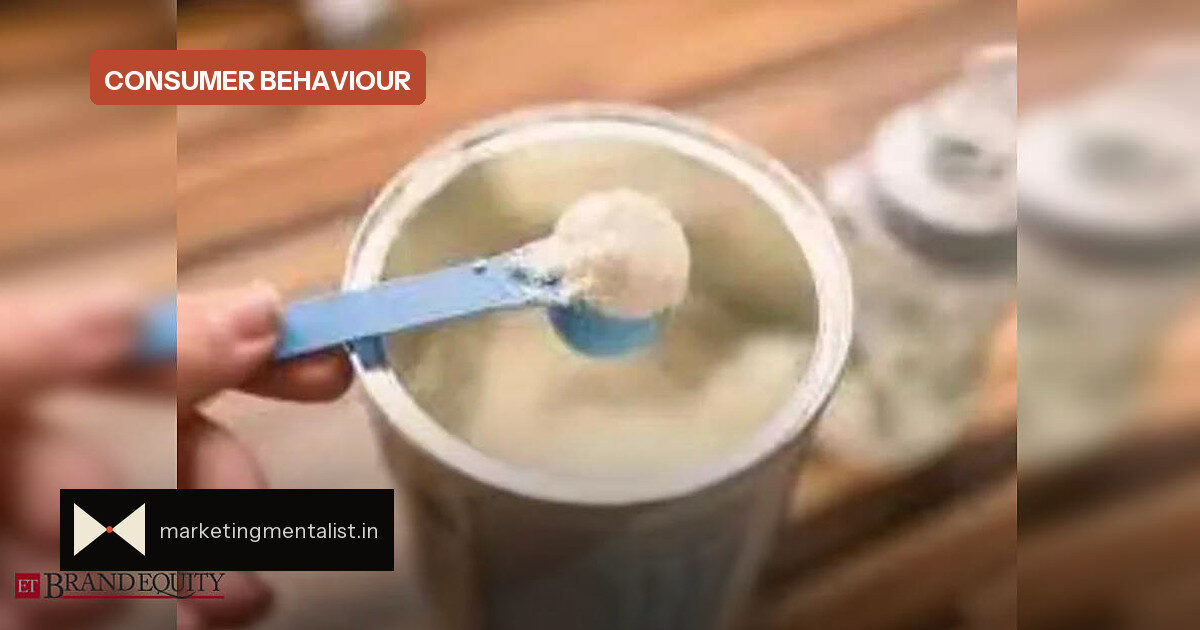
Maharashtra’s food and drug regulator has just pulled the plug on a generation of infant-formula marketing tactics. In a compliance order issued Tuesday, the Maharashtra FDA said makers and sellers of formula milk and other infant nutrition products can no longer advertise, sample, gift, discount, sponsor or pay influencers to promote them.
The rules apply from manufacturers and brand owners all the way to pharmacies, hospitals and e-commerce platforms, and they are effective immediately. The fine for misleading advertising or operating without a licence can go up to INR 10 lakh, while substandard food attracts INR 5 lakh and misbranding INR 3 lakh.
What the order bans
- Advertising of formula milk, infant foods and feeding bottles through any medium, including e-commerce and social messaging.
- Free samples, gifts, coupons, cashback and social-media promotion.
- Influencer promotion, and sponsorship, hospitality, speaker fees or grants to doctors, hospitals or medical associations.
The regulator also insists packages must carry a prominent front-of-pack notice: “IMPORTANT NOTICE & MOTHER’S MILK IS BEST FOR YOUR BABY”.
Packaging becomes the message
Beyond the warning, the order redraws what infant products can claim. Images of infants and women are prohibited. Terms such as “humanised,” “maternalised,” “complete food” and “health food” are off the label. Complementary foods can be mentioned only as something to introduce after six months.
On ingredients, preservatives, added colours and flavouring substances are disallowed. Added sucrose is permitted only when necessary, within 20 per cent of total carbohydrates, and false “no added sugar” claims are explicitly banned.
Why this matters for marketers
Infant nutrition is a category where the end consumer cannot choose, so the normal persuasion playbook collapses. Parents lean on packaging claims, healthcare advice and institutional trust. The FDA’s argument is simple: because infants cannot decide for themselves, the label and the professional recommendation carry the entire burden of trust.
For brand managers, that means the usual routes to reach young parents in India—sampling at hospitals, gifting to doctors, seeding mom influencers, cashback-led trials—are now compliance risks, not growth levers.
What to do now
Start with a zero-based audit of every pack, claim and medical-engagement plan. Remove any infantilised imagery, superiority wording and sugar halo. Then rebuild reach through healthcare-professional channels that are educational rather than promotional, and invest in traceability, recall systems and adverse-event reporting, which the order now requires within 48 hours for serious events.
There is a broader lens here: in high-trust categories, regulation doesn’t kill marketing—it shifts it from reach to reassurance. The brands that win are the ones that make the mandated caution feel like a promise rather than a warning.
Source: ETBrandEquity.com