From Khata Book to Cloud Habit
The corner shop's memory used to live in a khata and the owner's head. The cloud changes how small Indian shops remember customers—and how we buy.
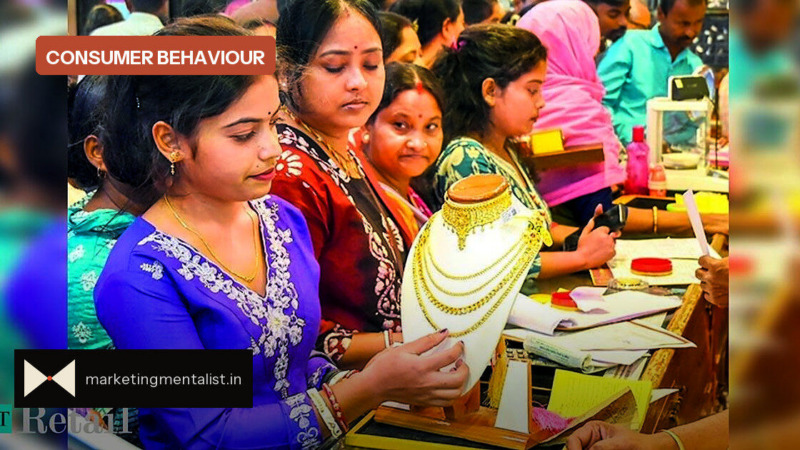
Every corner shop has two ledgers: the physical khata and the owner’s memory. The khata records what you owe. The owner’s memory records what you usually buy, whether you will pay later, and how your family likes its tea. For decades, the two were inseparable.
The khata was never only about money
A khata is a trust object. When the shopkeeper writes a line in it, he is not just recording a sale. He is signalling that you belong to the shop’s circle of credit. The entry is vague on purpose—an amount circled, a name shortened, a date smudged. The precision lives in the relationship, not the paper.
That is why moving the khata to a cloud ledger feels small and large at once. The small part is the format: paper line becomes digital row. The large part is that the shop’s memory becomes visible, searchable and shareable.
Cloud records shift the centre of trust
When a kirana starts using digital tools, the owner no longer has to remember everything alone. The cloud holds the purchase history, credit balance and a customer’s usual order. The shopkeeper can still greet you by name, but now the cloud can whisper what you bought last month.
This changes the buying ritual. The customer who used to say “same as last time” no longer needs to say it. The shop can anticipate the request. The regular who felt known because of personal memory now feels known through data. Both can coexist, but the texture changes: recognition becomes a system, not a secret.
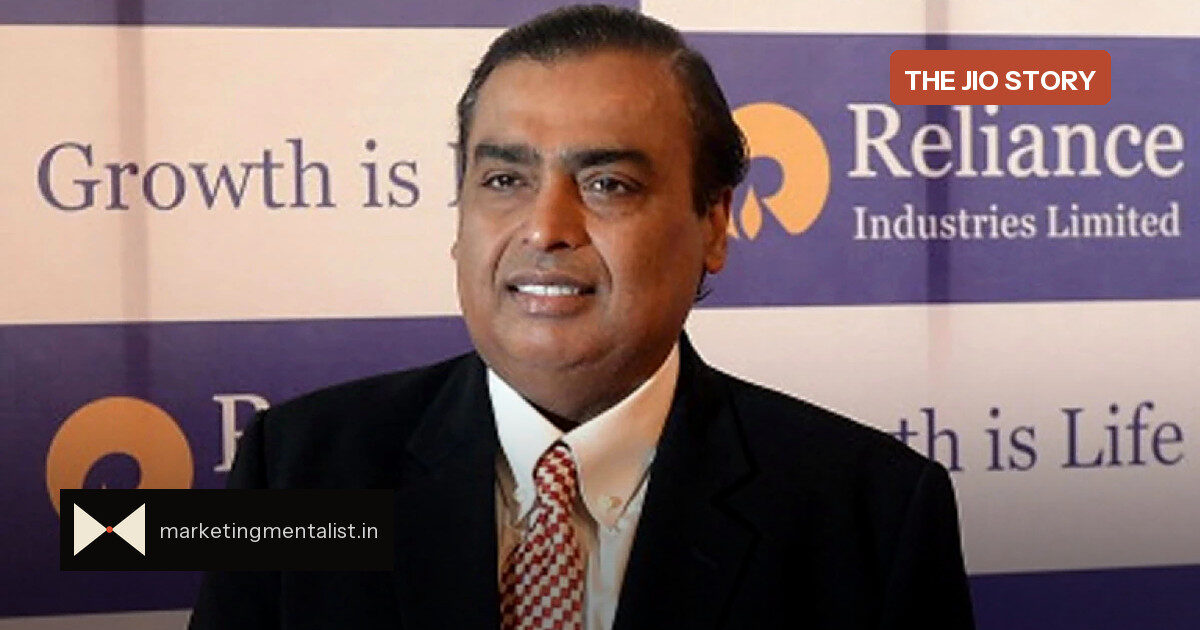
India’s data question also shifted here. After 2016, when Jio launched with the Welcome Offer of unlimited 4G data, voice, video and apps, and then reached 100 million subscribers within 170 days of launch, small businesses got a reason to try digital services without treating data as a scarce resource. The question moved, as this series puts it, from “How much does data cost?” to “What can we do with data?”
Today, with a company-reported 524 million+ customers, the ecosystem spans connectivity, entertainment, commerce, payments, devices, cloud and AI. That reach makes small-business digitisation less a leap than a step.
What changes for the shop and its customers
- The owner’s memory becomes a shared business asset, not a personal hold.
- Credit becomes legible: late payments, regular orders and monthly cycles show up as patterns.
- The customer’s loyalty becomes easier to reward because the shop can see frequency, not just spend.
- The relationship still depends on the hello, the homespun advice and the occasional extra packet of biscuits.
Jio describes one of its stated priorities as digitising businesses, alongside connecting every Indian and bringing digital services home. For a kirana, that does not mean becoming a faceless platform. It means using the cloud to hold the details so the owner can get back to the human part.
The cloud should protect the hello
The risk is not that the khata disappears. The risk is that shops digitise the transaction and accidentally digitise out the warmth. The best small businesses use the cloud as an assistant, not a replacement. The data remembers the order; the owner remembers the context—a new baby, a festival, a family moving to the city.
That is the real lesson for marketers. Customers do not buy from a ledger. They buy from a sense of being known. Digital tools work when they make that feeling more reliable, not more efficient at the cost of it.