Nerolac remixes its 1990 jingle for young buyers
Kansai Nerolac refreshed its 1990 jingle with Yashraj Mukhate for Diwali. Here is what the remix says about sonic branding and young buyers.
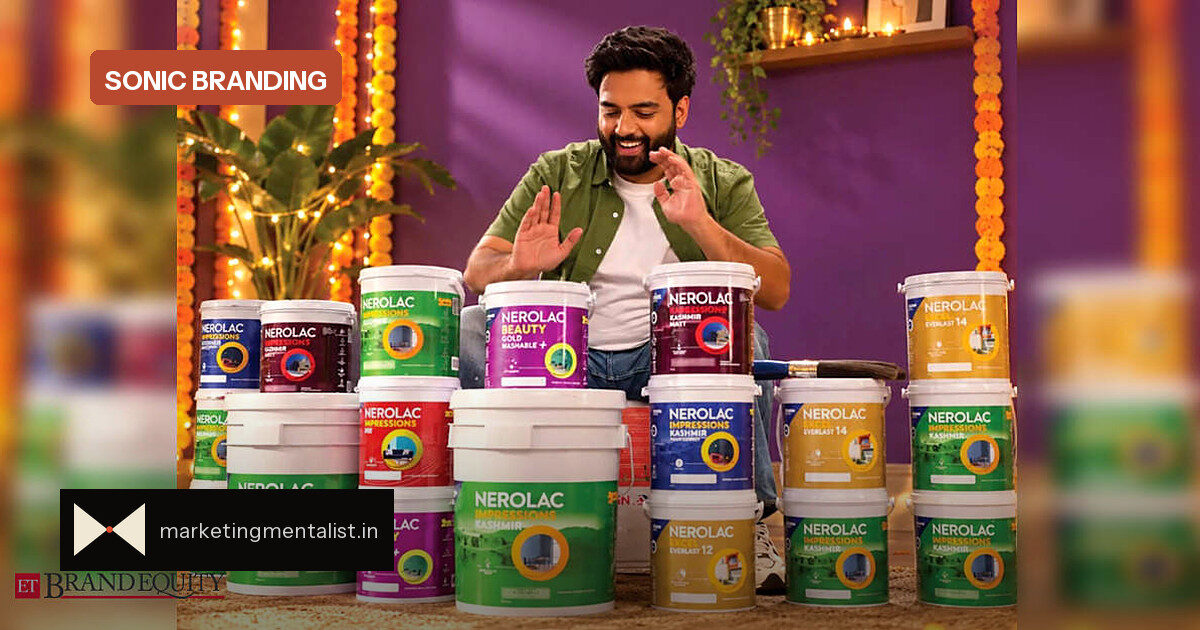
Some brand assets are not just remembered; they get sung. Kansai Nerolac Paints is refreshing exactly that kind of asset this festive season.
The paint maker has partnered with music producer Yashraj Mukhate to release a contemporary rendition of its long-running jingle, ‘Jab Ghar Ki Raunak Badhani Ho’. The melody was first introduced in 1990. A new digital video campaign aims at younger consumers while keeping the original tune intact.
Kansai Nerolac chief marketing officer Ramkrishna Naik describes the jingle as a melody that “isn’t just remembered, it gets sung along too”. The aim this season, he says, is for the tune to feel as vibrant as the celebrations.
Mukhate calls reimagining a song people can finish word by word “the best kind of challenge”, adding that he left the loved part exactly as it is and built new layers of sound around it.
Why a jingle is a memory shortcut
Jingles act as sonic logos. They compress a brand promise into a few seconds of audio that listeners can recognise before they consciously decide to pay attention. When a melody first introduced in 1990 is still running today, it carries what marketers might call processing fluency: people prefer things that feel familiar, and that familiarity can transfer to the brand.
A refresh changes the surface while protecting the trigger. Mukhate’s remix keeps the melody people already know and adds new production layers, giving older audiences a wave of nostalgia and younger audiences a version they can treat as current.
There is also a quiet behavioural point: familiar sound lowers the cost of attention. In a cluttered feed, a known melody is more likely to stop a scroll than a brand-new piece of music, because the brain already has a route to it.
Nostalgia is often mistaken for looking backward. Here it works as inherited trust. Younger consumers who never heard the 1990 jingle still meet it through family, media and the brand’s ongoing presence. The remix gives them permission to claim it as their own instead of treating it as dated.
Timing the sound to the buying moment
The launch is tied to festive home redecorating and Diwali celebrations. That timing matters. The jingle does not have to create demand for paint; it simply needs to show up when consumers are already thinking about making their homes look better. For a legacy brand, that is a useful lesson in relevance.
What marketers can borrow
- Protect the hook: the part people can complete stays unchanged.
- Modernise the layers: production, beats and delivery make it feel new.
- Attach the refresh to a cultural moment when the category is already top-of-mind.
Few brands own a jingle from 1990. Many, however, own an audio cue, tagline or visual asset customers already recognise. The principle is the same: refresh the context, not the memory trigger.
Source: ETBrandEquity.com