Jio Story: India’s Decade Online, Told by Local Voices
Village-to-city calls, hostel Wi-Fi huddles, regional creators and festival feeds: how India's online decade ran on shared screens.
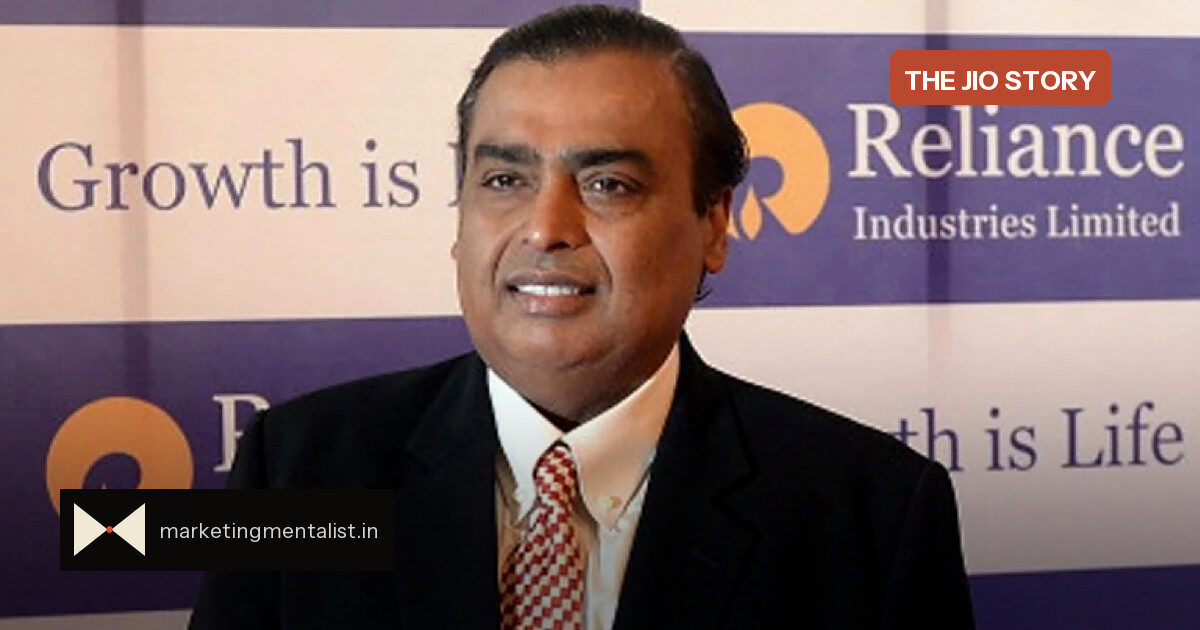
In 2016, Jio launched with the Welcome Offer: unlimited 4G data, voice, video and apps (Reliance Industries). The tariff reset is the part everyone remembers. The behavioural shift is the part that matters more. What followed was a decade in which local voices, not just urban early adopters, decided how the Indian internet would feel.
The village-to-city call was rarely one-to-one
A video call home was often a group event. A phone travelled from a mother to a neighbour, from a father to the street outside. The first call was proof of presence, seen by many. That is how an unfamiliar technology becomes legible: people watch someone like them use it first.
This social adoption was fast. Jio reached 100 million subscribers within 170 days of launch (company-reported; Reliance Industries Integrated Annual Report 2016-17). Before personal habits formed, shared rituals did.
Hostel Wi-Fi turned bandwidth into belonging
In hostels and shared flats, one connection often became a common resource. The daily questions were about whose turn it was to download, whose phone became the hotspot, and which screen would become the cinema. The hotspot hero was not a heavy user; it was a social role.
Metred thinking teaches people to guard access. Unmetered thinking, by contrast, makes access something you can hand around. That is a small psychological shift with large cultural consequences: connection became belonging.
Regional creators moved the mainstage
As connectivity became less of a hurdle, creators could publish in their own languages without waiting for a metro gatekeeper. The audience did not have to travel to them; the algorithm, the group chat and the share button carried the voice outward. Trust built on dialect, local humour and familiar ritual, not on polish.
The resulting shift was from aspiration to identification. A viewer in a small town could see someone who sounded like home on the same screen as polished studio content.
Festival feeds became the family room
Festival moments gave the decade its rhythm. A video call to a temple, a rangoli reel from an aunt, cousins syncing a playlist before a big night. These were not just content; they were scheduled togetherness.
- The travelling phone: one device, many faces; the selfie is a group portrait.
- The shared hotspot: bandwidth becomes borrowed, traded and passed along.
- The regional voice: local dialect builds trust faster than polish.
- The festival feed: a modern family room, scaled across cities.
The switch underneath the stories
The question India asked moved from ‘How much does data cost?’ to ‘What can we do with data?’ The best answer from the decade is not in a speed test. It is in the call that was passed around, the hotspot that became a common room, and the regional creator who found an audience in her own voice.
Jio serves 524 million+ customers (Reliance Jio Infocomm, March 2026; company-reported). Its ecosystem today spans connectivity, entertainment, commerce, payments, devices, cloud and AI (Reliance Industries 48th AGM, August 2025). Its stated priorities include connecting every Indian, bringing digital services home, digitising businesses, and ‘AI Everywhere for Everyone’. But the most memorable Jio moments are not features. They are local voices on shared screens.