Why Havas Bet on Luxury Experience Design in India
Havas India has launched Shortcut Shobiz India with Paris-based Shortcut. Here's the consumer psychology behind why luxury brands are buying experiences, not ads.
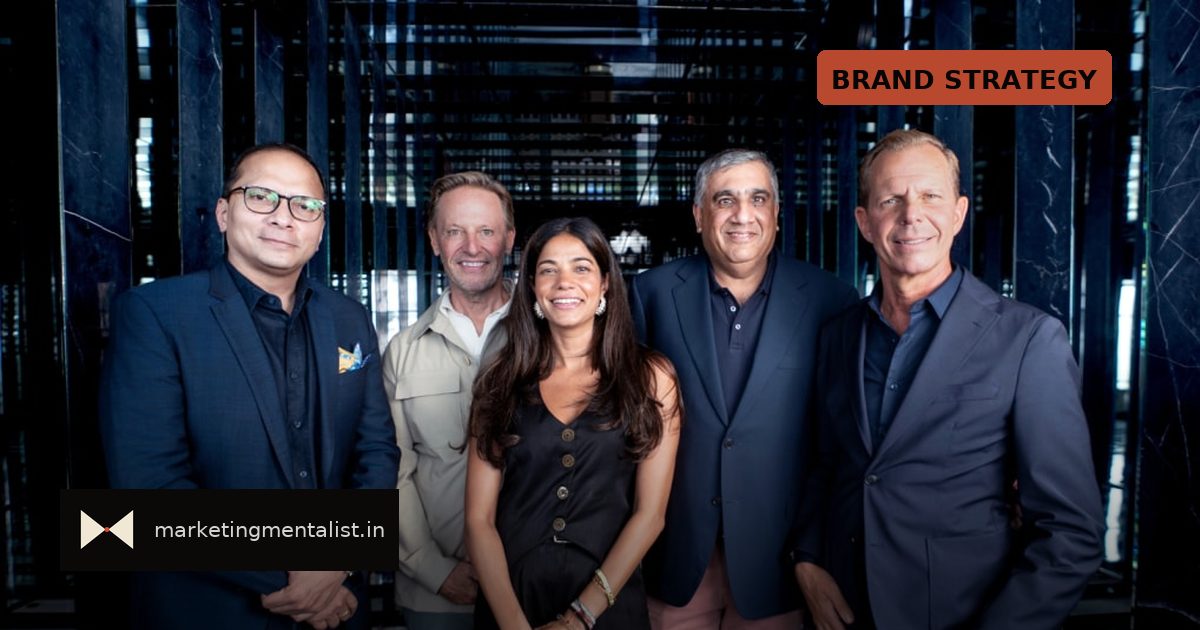
Havas India has launched Shortcut Shobiz India, a new experiential agency built for luxury and lifestyle brands, in partnership with Paris-headquartered Shortcut and Havas India’s own experiential arm, Shobiz.
On paper it is an agency launch. Underneath, it is a bet on a specific piece of consumer psychology: that in luxury, the memory of an encounter now does more selling work than the message about a product.
What was announced
The venture marks Shortcut’s entry into India, following its recent expansion into Milan, and arrives as Shortcut completes 30 years in business. Havas pegs the Indian luxury market at $10 billion to $12.1 billion, citing the 2025 State of Fashion report from McKinsey and the Business of Fashion.
- Leadership: Farah Lauren Khan joins as Vice President, reporting to Sameer Tobaccowala, CEO of Shobiz. She brings over 15 years in experiential marketing and brand strategy, with work across Apple, Cartier, Dior, Hermès, Gucci, Rolls-Royce, Rolex, Estée Lauder, Zara and W Hotels, among others.
- Positioning: the agency is built on the idea of “Experiences Designed with Artistic Intelligence”, pairing Shortcut’s French savoir-faire with Shobiz’s Indian production muscle.
- Footprint: headquartered in Mumbai, with regional offices in Delhi, Bengaluru and Chennai.
- Remit: brand experiences, product launches, exhibitions, corporate events, institutional ceremonies, creative strategy, content production and end-to-end execution.
- Scale: it becomes the 26th expertise inside the One Havas ecosystem in India, a network of more than 2,500 professionals and associates.
Group CEO Rana Barua called the timing crucial, pointing to the long commercial and cultural relationship between India and France and to a luxury market growing, in his words, at “unprecedented speed”. Havas India already works with over 1,000 clients, several of whom, Barua noted, want to move into the premium category.
Why experiential is the right weapon for luxury
Luxury has an awkward problem: the product’s functional advantage is usually small and easily copied. What cannot be copied is the feeling of proximity — being inside the room, touching the object, being recognised by the brand.
Three psychological mechanisms explain why experiences outperform advertising in this category:
1. Scarcity of access, not scarcity of stock. Traditional luxury created value by limiting supply. Modern luxury increasingly limits access. An invitation-only dinner or a curated preview converts a purchase into membership, and membership is far stickier than preference.
2. Effort justification. When a customer travels, dresses up and spends an evening with a brand, they must retroactively justify that investment. The mind resolves the tension by upgrading its opinion of the brand. Attendance manufactures affection.
3. The peak-end rule. People do not remember experiences as averages; they remember the emotional peak and the ending. This is precisely why luxury events are engineered as choreography rather than logistics — and why “decent event, weak finish” is worse than a shorter, sharper one.
Shortcut co-founder Lionel Laval framed the opportunity as building “a new generation of immersive experiences” for India. Tobaccowala put it more plainly, saying he has watched the Indian industry move from delivering events to creating moments that shape how people connect with brands. Co-founder Christophe Pinguet described the venture as designing experiences that are locally meaningful and internationally inspiring — arguably the hardest brief in global luxury.
The India-specific tension
Global luxury houses in India face a codified dilemma: honour the house codes, or adapt to Indian occasion, ritual and celebration culture. Get it wrong in one direction and you look imported and cold. Get it wrong in the other and you dilute the very foreignness that justifies the price.
A Paris–Mumbai joint venture is essentially a structural answer to that tension: the codes come from one side, the cultural fluency and production scale from the other.
What marketers should take from this
- Budget for memory, not reach. In premium categories, 400 people who felt something will outperform four million impressions that landed nowhere.
- Design the ending. Decide the final 90 seconds of every brand experience before you decide the venue.
- Make the guest the story. The most valuable output of an experience is the content the guest makes about themselves, not the content you make about you.
- Watch the premiumisation wave. If clients across categories are asking how to move upmarket, experiential capability becomes a strategic asset, not a line item.
Source: Storyboard18