At-home services spend ₹48.69 crore to build a habit
Snabbit, Urban Company and Yes Madam are pouring crores into making at-home services a daily habit. Trial is easy; repeat usage is the real test.
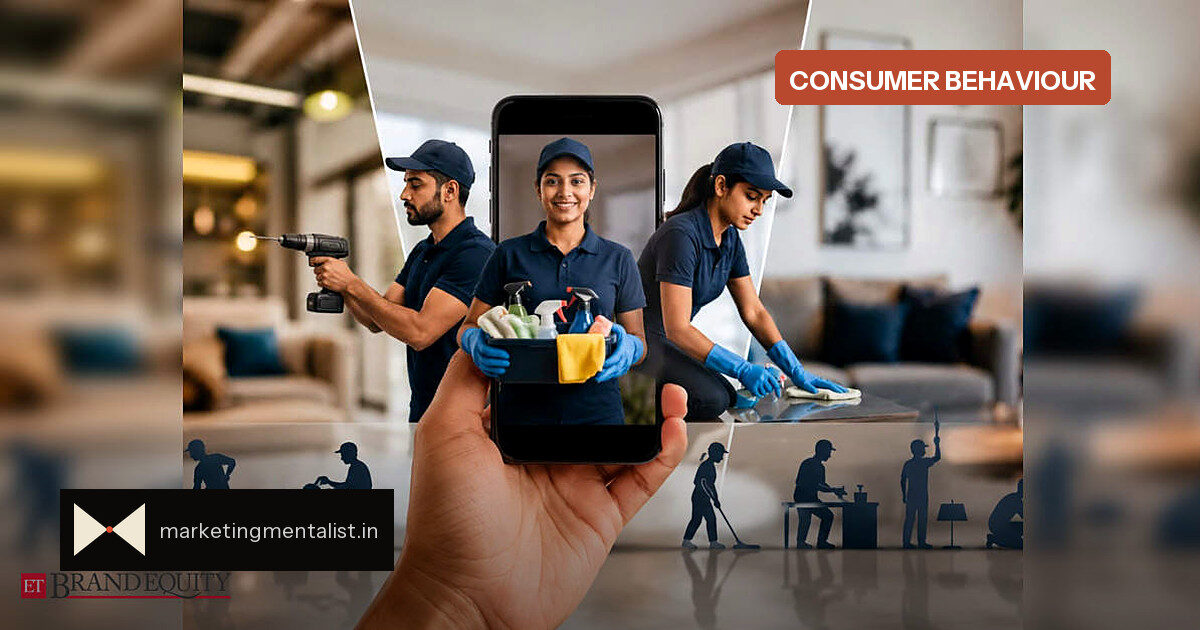
India’s convenience economy has moved past food and groceries. A new set of platforms is trying to sell something more intimate: access to your home. Cleaning, salon visits and house-help are being repositioned as instant, bookable services. The latest filings show how expensive that repositioning is.
Paying to create a category
Snabbit spent ₹48.69 crore on marketing in FY26, up from ₹82.11 lakh the previous fiscal. That is nearly four times its operating revenue of ₹12.25 crore, though the company frames the spend as investment in category creation. It grew from about 500 daily jobs across eight micro-markets at the start of FY26 to a run rate of 35,000 daily jobs across more than 100 micro-markets by year-end, adding nearly a million customers.
Urban Company and Yes Madam are making similar bets. Urban Company’s customer marketing expenses rose to ₹228 crore in FY26 from ₹161 crore, according to its shareholder letter. Its InstaHelp housekeeping vertical crossed 50,000 daily bookings in February 2026 and 1.1 million orders in March, but reported an adjusted EBITDA loss of ₹119.3 crore in Q4 FY26. Yes Madam more than doubled its advertising and promotional expenditure to ₹67 crore from ₹29 crore in the previous fiscal.
Trial is easy, ritual is hard
Advertising can buy a first booking. The harder task is making at-home services a routine. A home service means letting a professional through your door, so trust, safety and consistency carry more weight than a discount. Repeat usage remains a real challenge across the category.
Snabbit’s Srinivasan says three factors will decide whether high-frequency home services become mainstream: consistent customer experience, a strong service-professional ecosystem, and trust and safety. Without those, marketing spend mainly buys churn.
Yes Madam’s co-founder and CMO Akanksha Vishnoi says a significant portion of its investment is directed towards performance marketing through Meta Ads. The company logged 30,000 instant bookings in the first month after entering instant beauty services in June 2026.
What marketers should watch
The real contest is between acquisition and retention. An introductory offer can create a trial; only a reliably good experience creates a second booking. Marketers should think in loops rather than launches.
- Design for the second use: show verified professionals, clear pricing and safety protocols before the first appointment.
- Use community touchpoints: MyGate’s Rohit Jindal calls gated communities a massive opportunity to build top-of-mind recall near the point of need.
- Measure repeat rate, not just acquisition cost: the real test is whether marketing investment translates into retention and stronger unit economics.
The adoption spiral
A useful framework is the adoption spiral: awareness creates trial, trial tests trust, trust enables repetition, and repetition becomes routine. Platforms are currently spending heavily on the first two stages. Winners will be those that engineer the middle, trust, instead of only buying more reach.
Sanchari Chakrabarty, national head of strategy at 22feet, part of Omnicom Advertising India, argues that super apps offering everything may beat single-service brands because the promise of instant anything is the hook, with quality as a side promise. Multiple services can raise frequency and lifetime value, but only if each experience reinforces the next.
At-home services are at the same uncomfortable stage quick commerce and UPI once faced: heavy spending, scepticism, and slow behaviour change. The category will go mainstream when the marketing converts into a reflexive “I’ll just book it” moment, not just app installs.
Source: ETBrandEquity.com