Mythology films open a Rs 930 crore brand window
With Ramayana Part One releasing today, mythology-led films are pushing brands from product placement into cultural moments. The fit matters more than the hype.
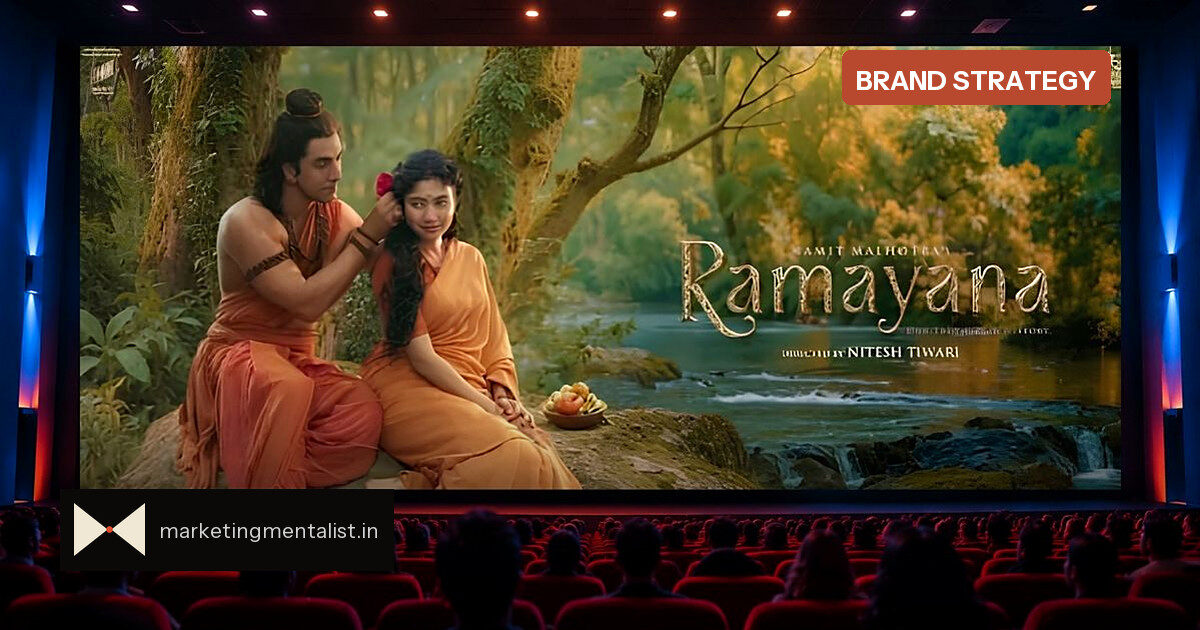
When a car or a phone appears in a contemporary Bollywood film, the placement feels natural. But a modern product has no obvious place in a story set thousands of years ago. With Ramayana: Part One releasing today and a slate of mythology-led films building, brands are asking a sharper question: how do we associate without intruding?
The answer, increasingly, is not product placement at all. It is about entering the cultural conversation around faith, folklore and familiar stories.
From screen time to cultural fit
Vishal Prabhu, creative director – strategy at White Rivers Media, says brands should begin with the themes a film carries rather than force a product into the narrative. Mythological stories usually turn on courage, duty, family or the triumph of good over evil. A brand can pick the theme closest to its positioning and translate it into digital storytelling, festive campaigns or interactive experiences.
He puts the test simply: “Does the brand add something to the conversation, or is it borrowing the film’s popularity?” An association that feels forced, he cautions, is likely to be noticed by audiences.
Owning the moments around the film
UFO Moviez is betting on the cinema experience itself. Its ‘Blessings’ initiative lets brands associate with mythological films through lobby branding, on-ground activations, special screenings, branded trailers and a creative that welcomes viewers just before the film begins. Sachiin Guptaa, country head – enterprise business at UFO Cine Media Network, says this gives context without the brand entering the story.
India’s cinema advertising market reached an estimated Rs 930 crore in 2025, growing 3% over the previous year according to the FICCI-EY report, with 10,033 screens. Brands including Adani Wilmar, IIFL, Google, Hero, GSK, Kalyan Jewellers and Godrej Interio have signed on to the Blessings initiative.
The opportunity is not limited to one big release. Guptaa argues that a year-round cinema presence helps brands benefit from smaller films that become word-of-mouth successes.
Beyond the screen
Some brands are translating films into take-home products. Tribe Amrapali, jewellery partner for Ramayana, has launched over 150 designs. Mangalmai has built a diya-oil partnership around contests, merchandise and a special-edition Amar Chitra Katha comic. ITC Mangaldeep’s Deepotsav uses Braille-enabled pathways to make darshan at Ayodhya Ram Mandir more accessible to visually impaired devotees.
The common thread is not just visibility; it is a role that fits the cultural moment.
Why caution is part of the strategy
Dabur India’s Rajiv Dubey, VP and head – media, warns that scale does not guarantee impact. He contrasts Adipurush, which struggled despite a large budget, with Hanuman Ansh, reportedly made for about Rs 2 crore and earning around Rs 500 crore. The lesson: pre-release hype and production scale are weak predictors of cultural resonance.
So what separates a remembered association from a borrowed one? A simple test:
- Theme first: Start with the story’s values, not the product.
- Moment ownership: Own the cinema experience, the festive campaign or the take-home product.
- Brand cues: Repeat clear brand signals so the film does not swallow the sponsor.
- Selective bets: Evaluate cultural relevance and authenticity, not just the size of the release.
Mythology-led cinema is not a shortcut to borrowed attention. For brands, the work is to make the association sensible long after the credits roll.
Source: Afaqs!