
Red Car Theory: The Hidden Emotion Behind Every Purchase
The Red Car Theory explains why consumers suddenly notice your brand everywhere. The real lesson: every purchase traces back to an emotion.
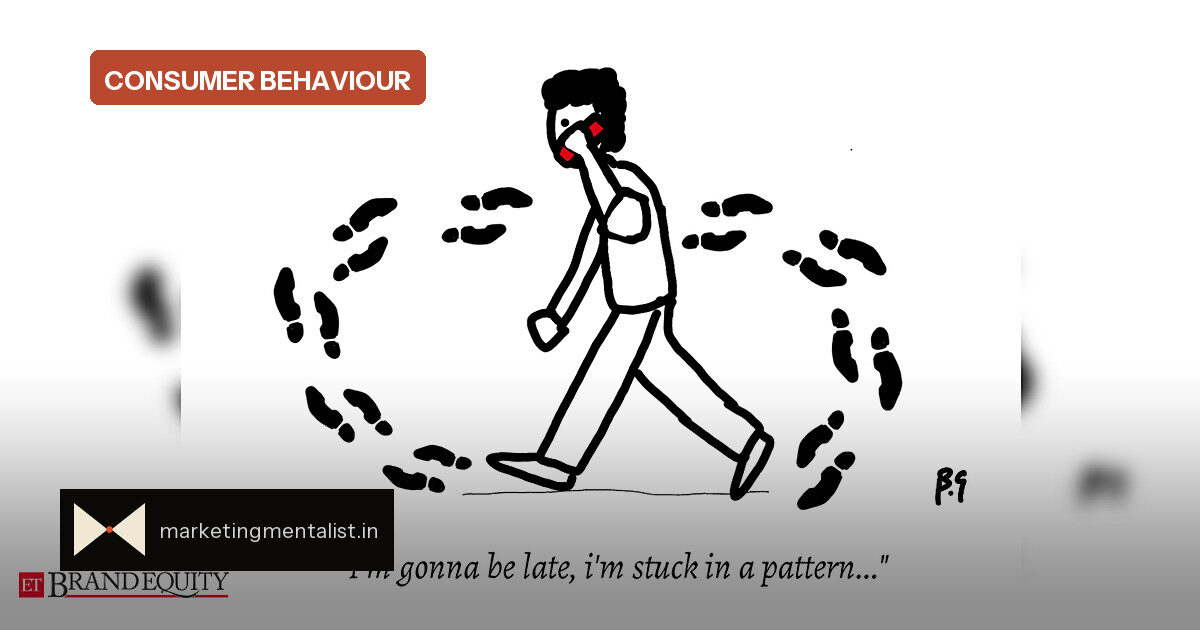
When a consumer suddenly starts seeing your brand everywhere, it may not mean your media spend has exploded. It may mean something in their mind has changed. That subtle shift is what the Red Car Theory describes, and it holds a practical clue for marketers trying to understand why people buy.
The illusion that feels like destiny
The Red Car Theory is a newer label for an older cognitive quirk: the Baader-Meinhof Phenomenon, or frequency illusion. Once a consumer learns a new concept, buys a new phone or develops an interest in a product category, their brain starts spotting it more often. The events have not necessarily increased; their awareness has been dialled in.
This is rooted in neuroplasticity: the brain’s ability to reshape what it pays attention to. The piece argues that people often condition themselves to external triggers without noticing. That is not just a cognitive curiosity. It means consumers are not surveying the market neutrally. They are seeing what their emotional history has trained them to see.
Every ‘rational’ spend has an emotional root
For strategists, the useful leap is not just about noticing. It is about the chain from feeling to transaction. A purchase may look functional—a new kitchen appliance, a business software licence, a specific toothpaste—but the driver often starts with an emotional need such as safety, status, belonging or relief.
“Beneath every behaviour lies an emotion just waiting to be understood,” as the ETBrandEquity piece puts it.
Consumers may rationalise a decision with specs, price comparisons or peer reviews. But the reason they began searching, and the reason one option feels right, frequently comes from learned associations. Years of small experiences teach a person that a certain scent means cleanliness, a certain typeface means reliability, or a certain price point means quality.
What this means for brand and research teams
The practical implication is to stop accepting stated reasons as the whole story. When a respondent says they chose a brand because it was “the best value”, ask what value means to them emotionally. Watch for the small physical cues: the pause, the smile, the defensive tone. These non-verbal signals often reveal the hidden driver better than the words that follow.
Here is a simple way to work with this:
- Map the emotional chain: identify the feeling that precedes the purchase, not just the rational justification.
- Listen for repeated mentions: if a consumer keeps noticing a category, ask what taught them to notice it in the first place.
- Design for the feeling: once you know the core emotion, make your message, packaging or store experience trigger that same memory rather than simply listing features.
Why this matters now
In a crowded media environment, attention is not just bought; it is primed. A consumer who has learned that “premium” sounds a certain way will notice brands that match that emotional memory and ignore brands that don’t. That makes brand consistency less about repetition for repetition’s sake and more about building the association that later surfaces as awareness.
The real story of every buyer is a history we don’t see in the data. For brand managers and founders, the Red Car Theory is a reminder to look at that history instead of assuming the market is simply responding to the loudest message.
Source: ETBrandEquity.com


