The Kirana’s Ledger Learns to Live in the Cloud
When a kirana moves its khata from muscle memory to cloud memory, the shop doesn't just digitise records—it changes how it reads customers.
The khata book was never only an accounts register. It was the shopkeeper’s memory: who paid at month-end, whose order arrived before a festival, which customer needed a phone call when an item came back in. Moving that memory to the cloud doesn’t make the kirana less personal. It makes the memory legible, searchable and shareable.
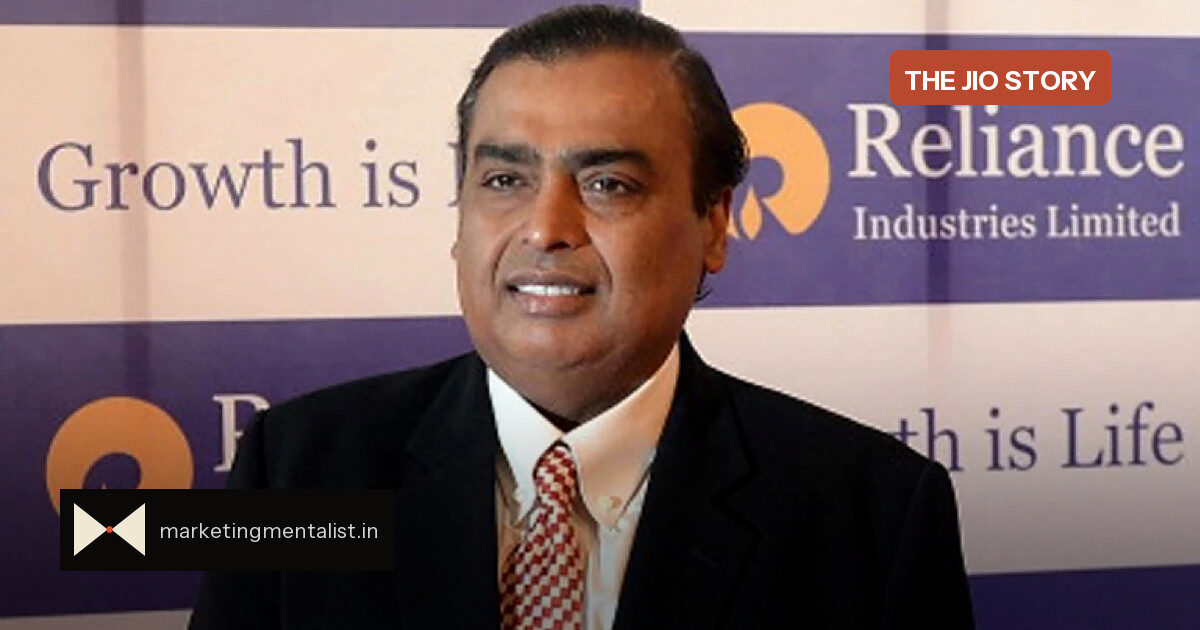
In 2016, Jio launched with the Welcome Offer: unlimited 4G data, voice, video and apps (Reliance Industries). Within 170 days, Jio reached 100 million subscribers (company-reported; Reliance Industries Integrated Annual Report 2016-17). After that shift, data stopped being the thing people rationed and became the thing people used. For a small shop, the phone turned into a second counter.
The khata was a trust device, not a spreadsheet
A kirana’s record-keeping ran on mental notes. The shopkeeper knew a family’s monthly rhythm, remembered a late payment and still handed over the item. That was not inefficiency; it was a quiet form of customer research. The cloud changes where that research lives.
When the ledger moves online, the shopkeeper can act on a record rather than a hunch. The customer starts to see her own purchase history reflected back. A reminder is no longer “I think you bought this” but “you bought this last month.” That small shift changes the feel of the relationship.
What changes for the shop and its customers
- Memory becomes visible. What lived inside the shopkeeper’s head becomes a shared record.
- Trust gets a trail. Credit and payment promises can be shown, not just recalled.
- Defaults become nudges. Familiarity turns into thoughtful reminders and suggestions.
For the customer, this is a new kind of recognition. The shop begins to behave like a brand that remembers—not in a cold, automated way, but with the same warmth, now assisted by a record.
The shift is behavioural, not just digital
The question India asked moved from “How much does data cost?” to “What can we do with data?” (the series’ framing line). For the kirana, the answer is not a dashboard. It is a second memory that sits beside the owner’s own.
Jio’s stated priorities today include connecting every Indian, bringing digital services home and digitising businesses, with an aim of “AI Everywhere for Everyone” (Reliance Industries 48th AGM, August 2025). But at shop level, digitisation succeeds only when it respects the old habit: the shopkeeper still wants to know the customer, not just the transaction.
What marketers can borrow
The kirana’s move from khata to cloud is a reminder that data is not the enemy of warmth. It can be the infrastructure of familiarity. The most useful digital record is the one that helps a person remember better, not the one that replaces her judgement.
Start by digitising the memory, not just the sale. Show the customer her own history back. Keep the tone local and familiar; let the record support the shopkeeper, not overrule him.
The shop’s real asset was never just inventory. It was memory. The cloud’s promise is to let that memory grow without losing the human note.