More than 65% of Zomato Opens Are Exploratory, Not a Bug
Goyal: AI agents threaten District more than Zomato or Blinkit; browsing is discovery and fulfilment owns the outcome.
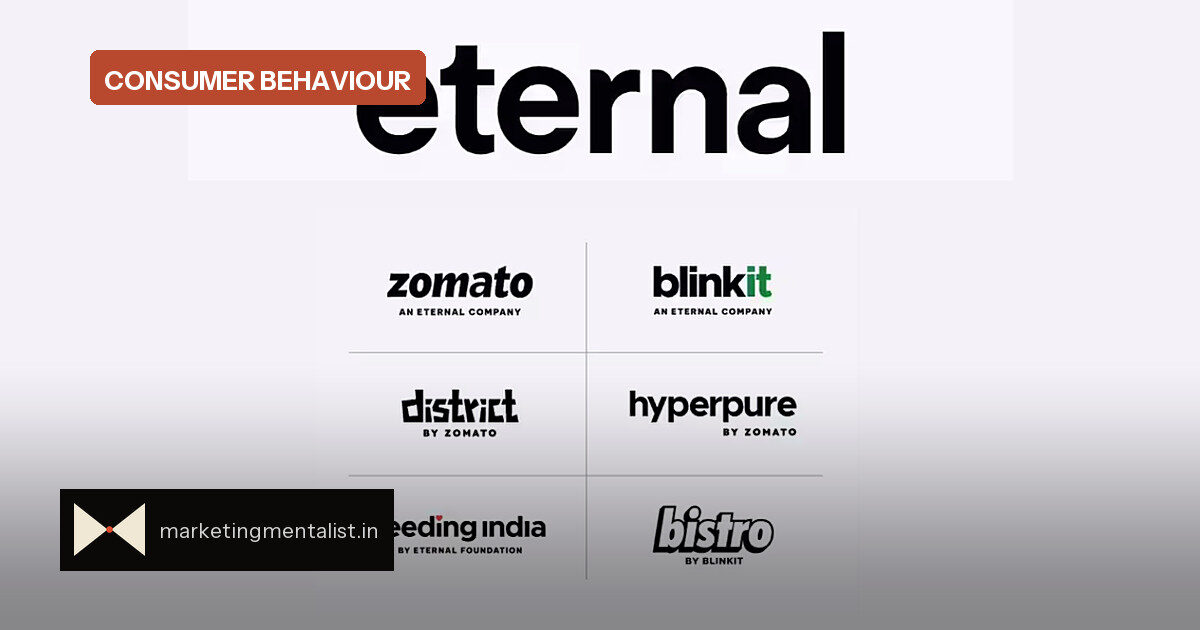
AI agents that shop on a consumer’s behalf are often painted as the next existential threat to commerce platforms. Deepinder Goyal, founder of Eternal, thinks that story is too tidy. In the company’s Q2FY27 shareholder letter, he puts Zomato and Blinkit in the “low-risk zone” for agentic commerce, while District, Eternal’s going-out business, sits at medium-to-high risk.
The difference comes down to how people actually shop.
Browsing is not a bug
Goyal’s argument starts with a simple distinction: some purchases are tasks to finish, others are experiences to explore. Booking a hotel or a flight feels like friction to delegate. Choosing dinner often does not. According to surveys cited in the letter, more than 65% of Zomato app opens are exploratory, and users browse an average of 12 menus and more than 100 food images before placing an order.
That behaviour looks inefficient only if you assume the goal is speed. “Users taking time to order food is not a bug on Zomato, it is a feature,” Goyal writes. In a visual, browse-driven category, a conversational agent that returns one answer may not be a better interface; it may be a poorer one.
The letter concedes that repeat orders and restocking could migrate to AI agents because they are lower on discovery. But reordered carts account for only a low single-digit share of orders on both Zomato and Blinkit, so the near-term surface area is small. Eternal says it can add agentic interfaces inside its own apps rather than lose those transactions to outside platforms.
Fulfilment is the moat
The deeper argument is about accountability. Food delivery is not just a listing; it coordinates restaurant kitchens, delivery networks, routing, payments and real-time problem-solving. Quick commerce adds inventory management, stock checks, picking and dispatch within a tight window.
“An agent can place an order, but it cannot own the outcome. Only whoever runs the fulfilment can,” Goyal writes. When an item is missing or a meal spills, consumers want one party to fix it. AI agents may route the request, but the platform that delivers owns the relationship.
Goyal also expects agents to concentrate demand by sending shoppers to whoever performs best at that moment, which could erode habit and loyalty while raising the value of supply chains. This is the part brand managers should watch: a brand that is easy to choose may matter less when an agent chooses quickly.
What marketers can do
For marketers, the letter is a useful stress test for any category. The key question is not “will AI disintermediate us?” but “what do we actually own?”
- Map discovery versus replenishment. If your category is browsed, protect the visual and exploratory experience; if it is reordered, build an agent-ready interface early.
- Know your moat. Discovery, trust, content or reviews are weaker against agents than supply chain, logistics and accountability.
- Plan for new demand. Contextual agents could suggest a late dinner when a user is heading home late, creating purchases that never entered a search bar.
Goyal adds that some customer-acquisition spend could shift from Google and Meta towards AI agents, potentially with sharper targeting than current channels. He also cautions against being too confident: “We remain aware to not drink our own kool-aid, and we deeply understand that only the paranoid survive.”
Source: Afaqs!