Why Personalized Newsletters Rarely Pay Off Alone
Publishers are personalizing as AI erodes search, but a 20% click lift doesn't guarantee subscriptions. The real lever may be access, not headlines.
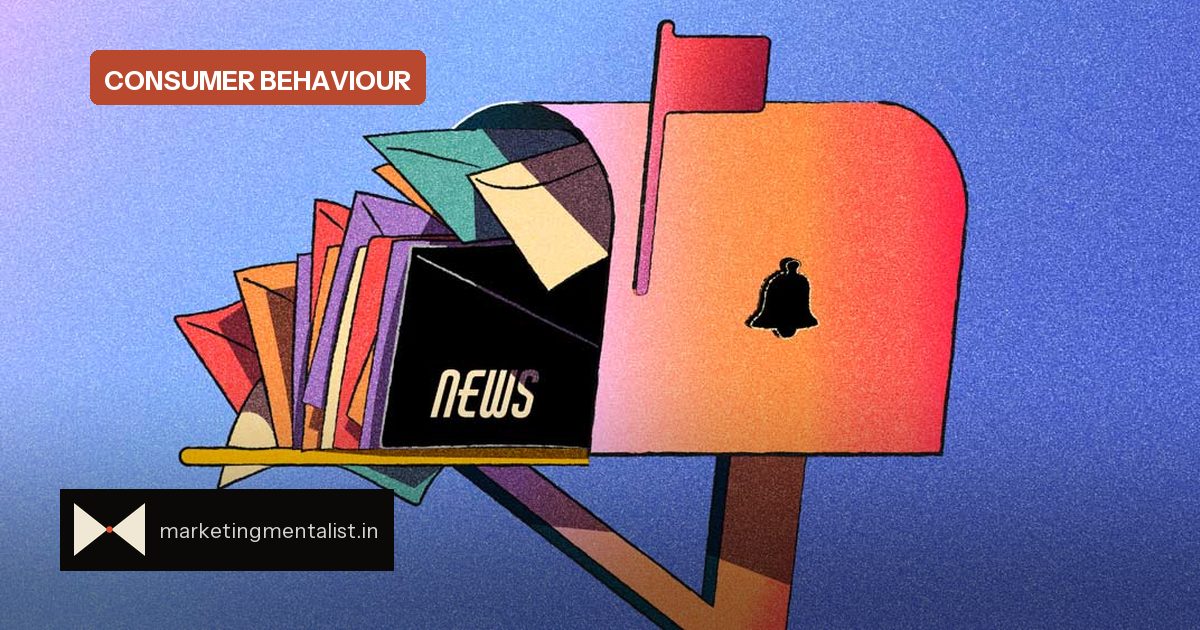
Publishers are betting on personalized newsletters as AI answer engines siphon off search traffic, but a closed-door discussion at last week’s Digiday Publishing Summit in Miami suggests the industry is split on whether the investment changes anything commercial.
Relevance alone doesn’t prove value
One publishing executive said an early automated briefing test produced a 20% increase in click-through by selecting content from reading-behaviour data and keeping the top of the email deliberately non-voicey. “We’ve tested personalized versus editorial curation, and we still see a pretty decent lift in the engagement rate,” the executive said, adding that the next step is revenue impact.
Another executive described automating a newsletter after a staffer left. Using identity graphs to tailor content, open and click rates stayed unchanged. The executive called that a win because nobody is curating it and referral traffic held steady. “There was no difference in the click-through or open rate, but nobody’s curating it,” they told Digiday.
The hidden cost: personalization becomes table stakes
That flat result raises a sharper question. If automating personalization leaves engagement exactly where human curation had it, is personalization a differentiator or just a hygiene feature? The executive worried that automation diluted the newsletter: “It doesn’t feel like a diversified product… Frankly, a personalized newsletter, everybody’s kind of doing it.”
Some professional readers actively resist hyper-personalization. One publisher said their audience wants a single shared briefing: “We want to be reading everything our peers are reading, so we’re not missing anything.” That is a social-proof signal for media marketers: for certain products, being part of the same conversation beats feeling uniquely served.
Where personalization actually shifts behaviour
Beneath the headline race, executives agreed the real lever is access and pricing, not which stories sit at the top of an email. Personalization can shape the free-to-paid threshold. One publisher described changing newsletter experiences by funnel stage: free content first, paywalled content introduced gradually, and gift links allocated according to engagement data. “Maybe your first five digests are full of free links, and then the rest start dropping in more… paywalled content,” the executive said.
This is a classic conversion-threshold problem. The psychological question isn’t whether content feels relevant; it’s how much sampling a reader needs before paying feels fair and necessary. That insight transfers to brands beyond media: personalization should change the offer, not just the message.
What to do
- Track conversion and revenue per reader, not just open and click rates.
- Design personalization around access, trial depth and paywall timing, not only content order.
- Preserve a distinct editorial or brand voice; if automation makes you interchangeable, it’s a cost cut, not a strategy.
With search traffic under pressure — one figure in the briefing put Reach’s year-over-year Google traffic decline at 46% — publishers don’t need more engagement metrics. They need a clearer idea of what makes a reader cross from free to paid.
Source: Digiday