
What Defender Journeys Teaches About Premium Experience Design
Defender Journeys' fourth edition shows how premium brands use effort, contrast and small groups to turn a self-drive route into a brand story.
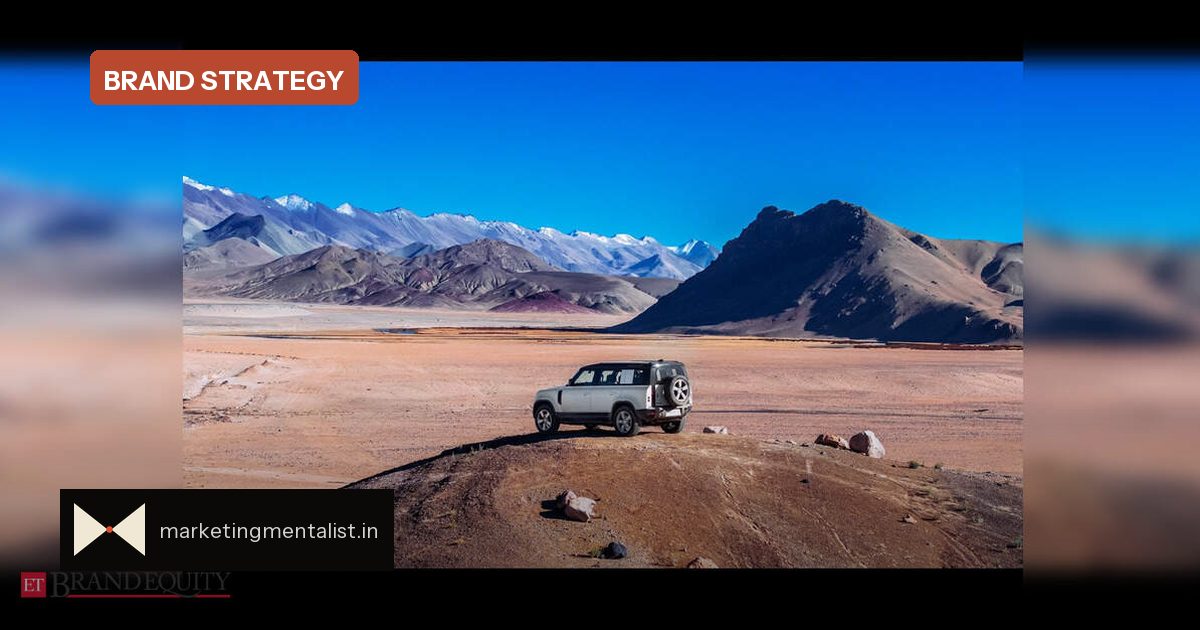
A vehicle is a product. A drive is a story the buyer gets to step into. The fourth edition of Defender Journeys—a brand-led programme of 23 curated self-drive routes—makes its Himalayan case across four journeys: Spiti, Ladakh, Umling La and Zanskar.
The proposition is deliberately simple. Travellers drive a Defender through demanding terrain while the brand handles the logistics: routes, stays, meals, instructors and support teams. The result is a road trip that feels personal without feeling precarious.
The experience design behind the drive
The journeys moved through Kunzum La, Baralacha Pass, Nakee La and Lachlung La, with stays at properties such as Taj Theog Resort & Spa, Banjara Valley Retreat and Grand Dewachen Kaza. Days were demanding; evenings were built for recovery. That contrast was not an accident.
- Visible effort: travellers steer, navigate and negotiate mountain roads themselves.
- Invisible logistics: planning, food, accommodation, instruction and support are pre-arranged.
- Managed scarcity: Umling La was capped at seven vehicles; Zanskar at four.
- Cultural texture: itineraries included Tabo Monastery, Key Gompa, Shey Palace, Thiksey Monastery and a trek to Phuktal Monastery.
The psychology behind the design
Marketers often assume luxury means removing friction. Defender Journeys suggests something more nuanced: keep the productive friction, remove the pointless friction. Driving a difficult pass is the point; sorting routes, stays and support is not.
This is what behavioural scientists call effort justification. When people invest effort in an experience, they tend to value it more—the work becomes proof that the trip mattered. Then contrast does the rest. High-altitude discomfort and a warm luxury resort frame each other. A hard day makes the evening feel like a reward, and the reward makes the next day’s challenge feel chosen rather than endured.
Small group caps add a final layer. A seven-vehicle or four-vehicle journey is operational scarcity, but it doubles as psychological scarcity. It makes the experience feel exclusive and creates the conditions for camaraderie—shared meals, long stretches of road and unexpected stops become stories people take home.
What marketers can steal
Position the outcome, not the asset. Defender is not selling a car here; it is selling the moment between turns. For brand managers, the lesson is to design experiences where the product is necessary but not the only hero.
Make the customer co-author the story. Let them do the part that feels like mastery—driving, navigating, choosing. Take away the part that feels like admin. That split between autonomy and support is what keeps a high-effort experience from becoming a chore.
Use contrast as a storytelling device. Adventure and refinement can coexist, as long as the brand is confident enough not to apologise for either.
Source: Brand Connect Initiative