First Video Calls, Collective Nostalgia and the Brand Afterlife
Personal nostalgia is private; collective memory is social proof. Here's why the first video call home still carries brand weight years later.
The first video call home was never just a feature demonstration. It was a family event: a screen passed between hands, a grandmother’s startled smile, a voice saying “I can see you” for the first time. The call itself was private. The memory of it became public.
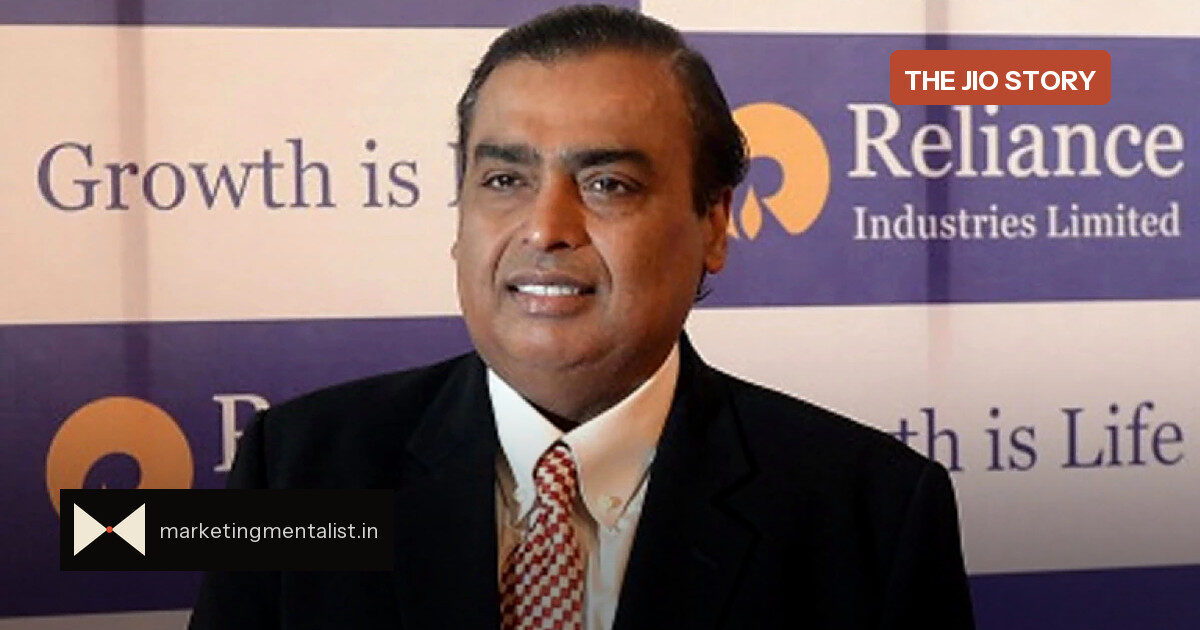
That is the peculiar marketing force behind 2016. Jio launched with the Welcome Offer—unlimited 4G data, voice, video and apps, as Reliance Industries put it. Within 170 days, the network crossed 100 million subscribers, company-reported. But the number only tells you what happened. The shared memory tells you why it stuck.
Collective memory is social glue
When marketers say “nostalgia,” they usually mean individual nostalgia: a customer remembering a jingle, packaging or a shop floor. Collective nostalgia does something more useful. It turns private moments into group identity. “My first video call home” works because so many people can finish the sentence.
A shared memory has three jobs. First, it marks a before and after. Before 2016, data was metered, calls were rationed and video was a luxury you used sparingly. After, the question changed from “How much does data cost?” to “What can we do with data?” That pivot is a cultural timestamp.
Second, it has witnesses. A first video call included parents, siblings, grandparents or hostel friends. The emotion was co-created. That makes the memory easier to recall and easier to retell.
Third, it gets repeated. Every retelling—at a wedding, in a WhatsApp group, under a creator video—adds another layer of shared meaning. The brand becomes part of the family story without having to ask for credit.
Why brands build on shared memories
Shared memories are attractive brand capital because they are distributed. A customer may forget an ad, but they are less likely to forget a moment their mother was in. The brand doesn’t have to interrupt a feed; it is already inside the memory the user rewatches.
- Shared memories create common ground across regions, languages and ages.
- They turn an infrastructure change into an emotional one: data feels like a gift, not a plan.
- They make the brand part of the customer’s autobiography, which is very hard for a competitor to undo.
This is not about claiming every memory is Jio’s. It is about recognising that the strongest brand moments are often the ones customers feel they made themselves. The marketer’s job is to set the stage, then let people bring their own cast.
The next shared moment
By March 2026, Jio reported 524 million+ customers, company-reported. Its ecosystem now spans connectivity, entertainment, commerce, payments, devices, cloud and AI, as Reliance Industries outlined at its 48th AGM in August 2025, with the stated priority of “AI Everywhere for Everyone.” The next shared memory will not look like a phone call. It may be a child asking an AI assistant for a family dal recipe, a local shop predicting what a customer needs, or a festival video arriving in every dialect at once.
The lesson for marketers stays the same: personal utility gets a customer, but a shared memory gets a community. When a brand can be remembered in someone else’s voice, it no longer needs to do all the talking.