Kirana to Cloud: The Shop Stops Guessing
When the khata moves to the cloud, the kirana stops recording transactions and starts remembering customers. What that changes for the shop and the buyer.
For decades, the kirana khata was a book of numbers. It recorded who owed what. It did not record that a customer buys extra milk before a long weekend, that a family switches to a smaller pack in the first week of the month, or that a regular pays more reliably after payday.
When small shops began moving that khata to the cloud, the change looked operational. Ledgers became searchable. Payments left a trail. But underneath, something more interesting shifted: the shop stopped just recording transactions and started building a memory.
From ledgers to patterns
The paper khata rewarded proximity and recall. The shopkeeper who remembered your order won your loyalty. The cloud version changes the unit of memory from the transaction to the customer.
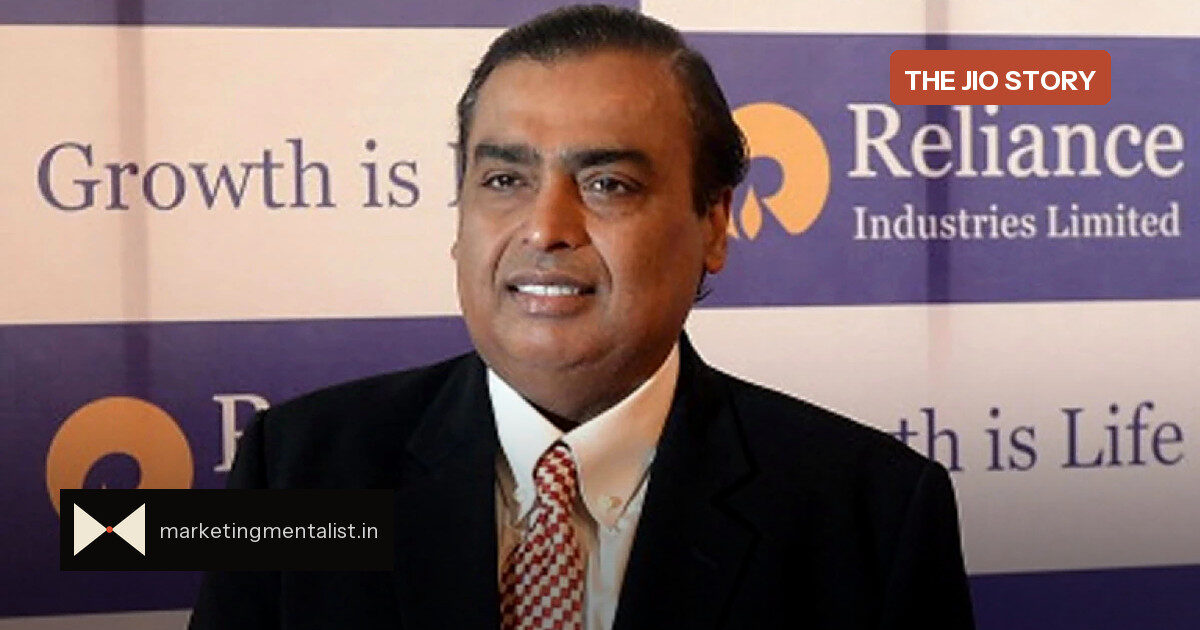
In 2016, Jio launched with the Welcome Offer: unlimited 4G data, voice, video and apps (Reliance Industries). Jio reached 100 million subscribers within 170 days of launch (company-reported; Reliance Industries Integrated Annual Report 2016-17). That always-on connectivity is what let a corner shop run a cloud ledger from an entry-level phone. Today Reliance Jio Infocomm reports 524 million+ customers (March 2026; company-reported), and Jio’s ecosystem spans connectivity, entertainment, commerce, payments, devices, cloud and AI (Reliance Industries 48th AGM, August 2025).
What changed for the shop is subtle but large:
- Before: the khata captured the amount. After: the cloud captures the timing, the pack size, the frequency and the context.
- Before: recognition lived in one person’s head. After: recognition lives in a shared record that the next generation can use.
- Before: a recommendation was a hunch. After: it is a pattern the shopkeeper can choose to act on.
What the customer feels
Being known is one of the oldest buying comforts. The digital shop can make recognition consistent: a customer does not have to wait for the owner to be at the counter to be remembered. The cloud can remind the shopkeeper to ask about a child’s exam, to keep the usual brand aside, or to offer credit with more confidence because the history is visible.
But the psychology cuts both ways. If every recognition arrives as an automated promotion, the customer may feel profiled rather than known. Behavioural science frames this as the difference between personalisation and surveillance. Recognition feels good when it reduces effort; it feels intrusive when it exposes too much. The cloud gives the shop more information, but the relationship still depends on restraint.
The marketing brief hiding in the khata
For marketers, the lesson is not about technology. It is about the shift in India’s question from ‘How much does data cost?’ to ‘What can we do with data?’ Jio’s stated priorities include connect every Indian, bring digital services home, digitise businesses, and ‘AI Everywhere for Everyone’ (Reliance Industries 48th AGM, August 2025). For the kirana, that means the everyday shop can now act like a small brand: recognising customers, remembering preferences and serving them with context.
The khata was never just a ledger. It was a relationship recorded in shorthand. The cloud version lets the shop keep the relationship and improve the shorthand.