The Kirana’s Memory Moves to the Cloud
When a kirana moves from paper khata to cloud ledger, the shop keeps its warmth but the trust becomes visible, searchable and data-informed.
Before the cloud, a kirana’s real database wasn’t the cash box. It was the shopkeeper’s memory. The khata book held names, dues and dates, but the real bookkeeping happened in the head: who paid early, who needed a week more, whose child had exams, whose festival order was coming.
When a small shop moves from that paper memory to a cloud ledger, the obvious change is efficiency. The deeper change is psychological. The relationship between the shop and its customers quietly rearranges itself around visibility, accountability and mutual recall.
The khata was a memory device
A khata did not just record transactions. It encoded social standing. The shopkeeper’s ability to remember a customer’s history was a form of respect. The customer’s willingness to be remembered was a form of trust. Both sides understood the rules without a dashboard.
Move that memory to the cloud and it becomes searchable, portable and independent of any one person. The shopkeeper no longer has to carry the whole neighbourhood in his head. The customer no longer has to hope the shopkeeper remembers the exact figure. The record becomes a third party at the counter.
What shifts when the ledger goes online
At first, digitisation looks like a backend upgrade. Then it changes the front end too.
- The shopkeeper’s memory moves from personal recall to system recall, so trust shifts from the person to the record.
- The customer’s credit history becomes visible, which makes repayment feel less like a favour and more like a fact.
- Small credit decisions become data-informed, reducing awkwardness but also removing some discretion.
The psychological contract changes because the information is no longer unevenly held. Both parties can see the same history. That is not a small shift; it changes how each side feels about being watched, being trusted and being owed.
Why the Jio layer mattered
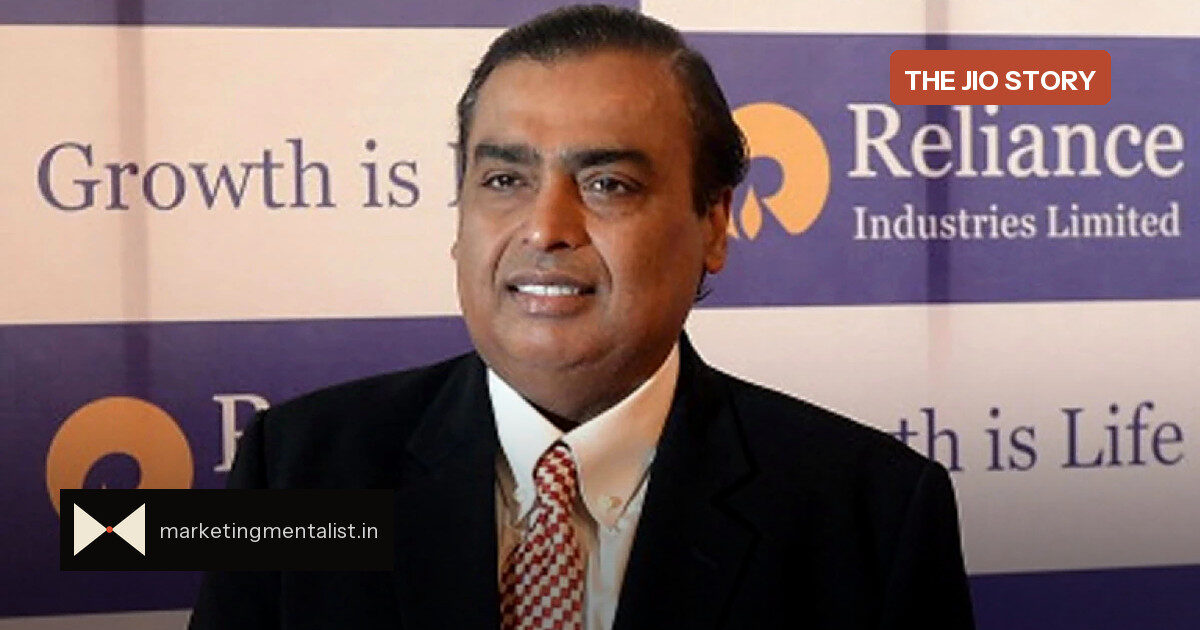
In 2016, Jio launched with the Welcome Offer: unlimited 4G data, voice, video and apps (Reliance Industries). The company reached 100 million subscribers within 170 days of launch (company-reported; Reliance Industries Integrated Annual Report 2016-17). That scale made it ordinary for a small shop to run a cloud ledger, accept digital payments and look up a customer’s past from a phone.
Jio’s ecosystem today spans connectivity, entertainment, commerce, payments, devices, cloud and AI (Reliance Industries 48th AGM, August 2025), serving 524 million+ customers (Reliance Jio Infocomm, March 2026; company-reported). Its stated priorities include digitising businesses (Reliance Industries 48th AGM, August 2025). For the kirana, that means the cloud is not a distant enterprise tool; it is just another utility behind the counter.
The counter that remembers differently
The smartest small shops keep the warmth and let the system do the recall. The shopkeeper still asks about the family, still recommends the usual brand, still extends a small line of credit. The difference is that the accounting no longer lives only in one person’s head.
For customers, the cloud can lower the anxiety of a disputed balance. For shopkeepers, it can reduce the mental load of remembering hundreds of small promises. The question India asked moved from “How much does data cost?” to “What can we do with data?” That is the real kirana-to-cloud journey: from keeping records to using memory.