Kotak’s 50,000 Crore Consumer-First Banking Bet
Rohit Bhasin's FMCG playbook at Kotak turned a liquidity product into a 50,000 crore book by understanding Indians' emergency money mindset.
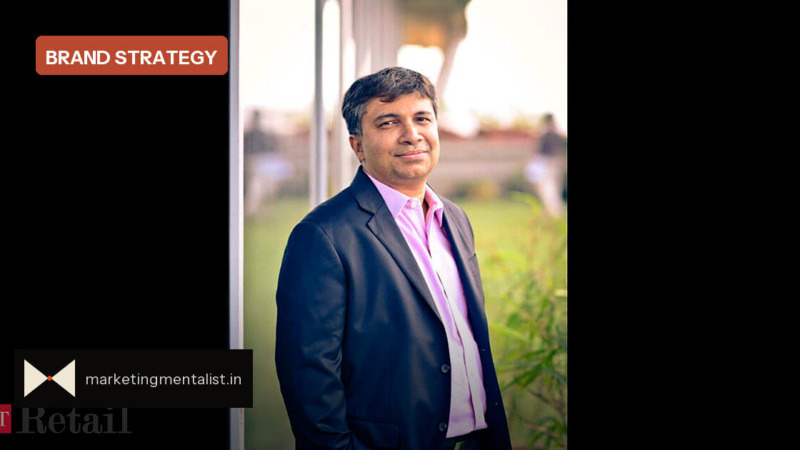
Most banks start with the product. A marketer who spent 25 years at Unilever says that is exactly backwards. Rohit Bhasin, the marketing leader at Kotak, told ETBrandEquity that banking has traditionally operated from a supply-side perspective: “I have a product; let me find a customer to whom I can sell it.” His remit at Kotak is to bring FMCG-style, consumer-first thinking into a category built on products and features.
The demand-side difference
In consumer goods, Bhasin argues, marketers build demand. They identify a pain point, find a cultural tension that makes the product relevant, then use communication to create awareness and desirability. Logistics services the demand afterwards. Banking historically inverts the sequence. The race is about features: the competition has eight, we have ten. The sales team both creates and services demand, and the customer’s actual need can become an afterthought.
That inversion is the gap. “When I took on this job, my remit was to bring consumer-centric thinking into the organisation,” he said. Marketing’s seat at the table depends on showing that customer insight drives business growth, not just advertising.
A 50,000 crore answer
Kotak ActivMoney is the proof point. The flexi-deposit product already existed: it offered liquidity like a savings account with higher fixed-deposit-style returns. The team noticed something counterintuitive. Interest rates were high, yet Indians continued to park large sums in savings accounts, sacrificing interest. Digging deeper, they found a cultural root: many Indians carry a scarcity mindset, drilled by parents that an emergency can arrive at any time. That fear makes liquidity feel non-negotiable.
So Kotak repositioned the product around that truth. It was relaunched “in a classic FMCG manner,” as Bhasin put it, and within about two years built a 50,000 crore book. The number matters because it came not from a new feature but from better understanding why people hold cash.
Brand building feeds performance marketing
Bhasin also pushes back on the idea that bottom-of-funnel spending is enough. He uses a simple test: you should be able to explain what your brand stands for to your mother. When budgets tilt entirely towards measurable conversion, brands stop doing that top-of-funnel work.
But awareness is what makes performance marketing convert. If people already know and trust a brand, a sharply targeted offer can close the sale. If they do not know you or understand what you stand for, a 20% discount is unlikely to move them.
- Start with the customer’s pain, not the product spec. Feature counts do not create desire; solving a real anxiety does.
- Let marketing shape the offer, not just the campaign. Bhasin’s role runs from insight to product design, communication and feedback.
- Protect top-of-funnel brand building. Relevance and trust are what make performance messages work.
AI: efficiency yes, creativity still human
On AI, Bhasin’s position has evolved. He now believes a human must remain in the loop. The proven uses are efficiency and personalisation: AI can process data, sharpen insights and turn one broad cohort into 10, 20 or 40 targeted ones. The unsettled question is whether generative AI replaces creative judgement. Bhasin’s view: AI can assist with insights and speed, but the human provides creative intelligence.
For brand managers, the lesson is not that banking should copy FMCG ads. It is to change the operating sequence: start from the customer’s fear, build the proposition around it, and let the brand make the offer credible before asking for conversion.
Source: ETBrandEquity.com