What’s Trending turned a host into a seven-figure creator media brand
A lean team, a recognizable host and a point of view built What's Trending into a seven-figure creator media brand. Here's what brand leaders can borrow.
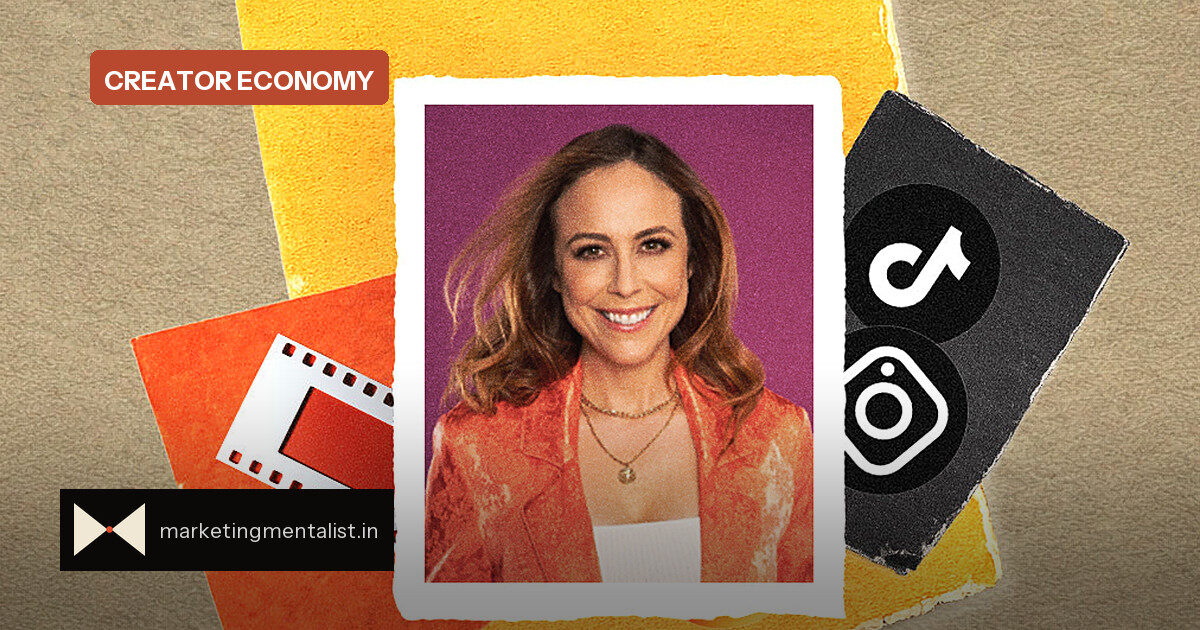
When internet culture began minting viral stars in the early 2010s, Shira Lazar saw a gap: few outlets were producing videos about them. She built What’s Trending in 2011 as a creator-driven media brand with herself as the on-camera face, initially in partnership with CBS News.
The partnership ended after an erroneous tweet about Steve Jobs’ death. “It was really a heartbreak for me,” Lazar told Digiday. She kept building, moving the show from YouTube to Facebook, Instagram, Snapchat and TikTok as audiences migrated.
The brand was the person, not the platform
Fifteen years later, the model looks less like a niche bet and more like the industry default. Publishers including CNN, Bustle and The Washington Post now lean into creator-led media, and Lazar has expanded What’s Trending beyond publishing into influencer marketing, branded creative services, licensing, distribution and live events. The brand has hosted SXSW’s Creatorpalooza, run brand lunches at Cannes Lions and helped organize AI Creator Day with The Wrap.
NowThis CEO Sharon Mussalli put the strategic shift plainly: “Shira was early to something the rest of the industry took years to accept: on social, people follow people.” What’s Trending did not begin as a content category and then attach a face. It began with a recognizable host and a point of view. The platform was distribution. That sequence matters.
This is a familiar pattern in brand psychology: people attach trust to a recognizable human more readily than to an abstract masthead. Creator-led brands borrow that trust and then extend it into adjacent revenue lines.
Lean infrastructure, diversified revenue
The revenue mix is a lesson in resilience. Lazar said annual revenue has ranged from the mid-six figures in a challenging year to low seven figures in stronger ones, driven largely by a team of three. The brand has around 4 million followers across social platforms, including nearly 2 million on TikTok, and distribution relationships with partners such as MSN, Spotify and Screenvision.
The lean team also created a ceiling. It “limited how quickly we could invest in audience acquisition, sales, programming, and new products,” Lazar said. The next stage of growth is infrastructure, not simply more content.
What brand builders should borrow
- Put a recognizable point of view before the distribution channel, then expand as audiences shift.
- Diversify revenue beyond advertising into licensing, events and services once attention is earned.
- Treat the face of the brand as an emotional asset, not just a spokesperson.
- Protect creator labour and mental health before burnout becomes a retention problem.
Lazar has translated her own struggles into advocacy, including a Creator Bill of Rights introduced with Representative Ro Khanna. “The market is finally ready for the creator-driven media model we began with,” she said. For marketers, the practical takeaway is to design brands that behave more like creators: visible, opinionated and less dependent on any single platform.
Source: Digiday