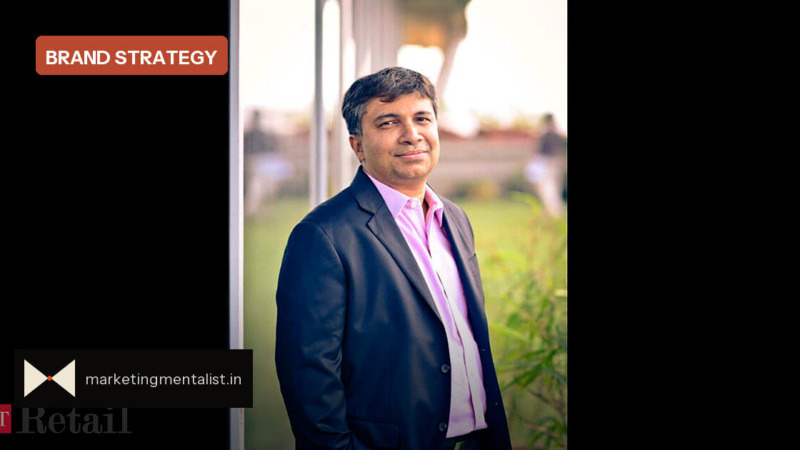
The Advertising Club’s re-election is a masterclass in continuity
Re-elected for a second term, Dheeraj Sinha is doubling down on change with continuity at The Advertising Club. Here's the branding lesson.
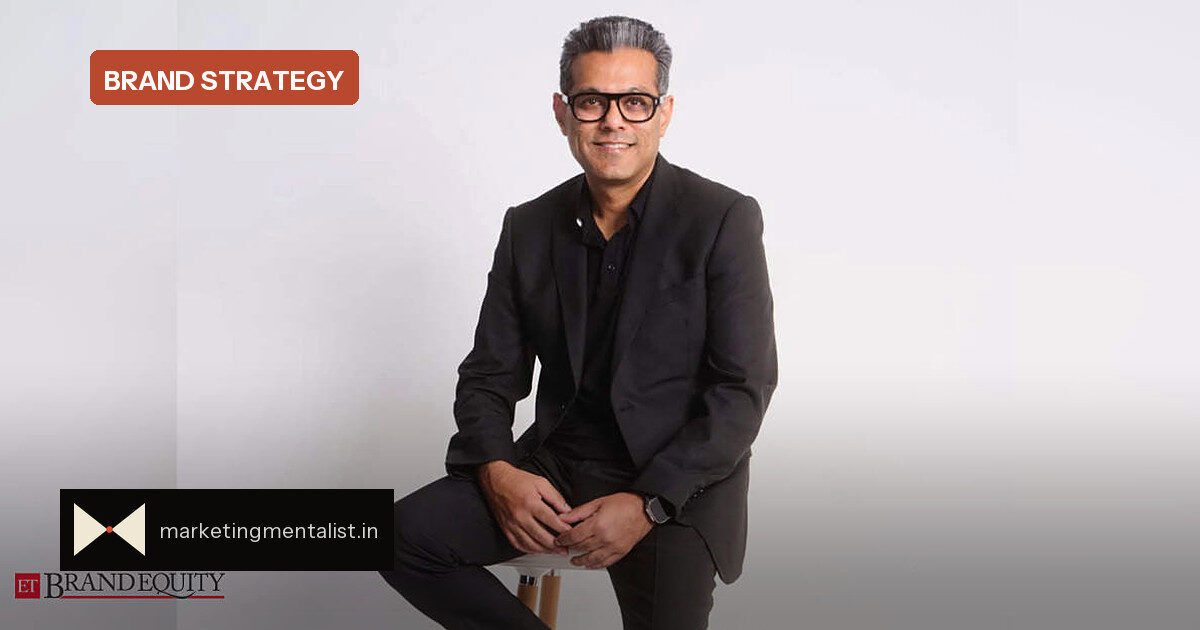
Industry-body elections rarely feel like marketing news. But The Advertising Club’s decision to re-elect Dheeraj Sinha as president for 2026–27 is a quietly useful lesson in repositioning: change lands better when it comes wrapped in continuity.
The decision
At the Club’s 72nd annual general meeting in Mumbai, Sinha—CEO of McCann India, part of Omnicom Advertising India—was confirmed for a second consecutive term. The new office bearers are Amitesh Rao as vice-president, Ajay Kakar as secretary, Sonia Huria as joint secretary and Pradeep Dwivedi as treasurer. Rana Barua continues on the managing committee as immediate past president. The elected, co-opted and special-invitee members now stretch across agencies, media and marketing.
The brand lesson inside an AGM
Sinha described the operating principle as “change with continuity.” Over the past year, the Club kept its seven-decade legacy while broadening membership to include voices from marketing, media and the wider ecosystem, upgrading events, and re-envisioning its positioning as, in his words, “a beacon for an industry at the cusp of transformation.”
That phrase is not diplomatic filler. It is a classic risk-reduction strategy. Familiarity signals safety; novelty signals progress. Too much change feels reckless. Too little feels stale. The mere-exposure effect—our tendency to prefer what we recognise—means a legacy brand can use warm recognition as a foundation for new moves rather than a cage.
What marketers can borrow
- Keep one visible anchor. Preserve the name, ritual or visual cue that carries trust while refreshing everything around it.
- Broaden the audience before the identity. Add new voices and formats first; let the evolved positioning follow what actually works.
- Name the arc. Tell members and customers explicitly that this is continuity plus change, so the shift feels intentional, not accidental.
Why this matters beyond the AGM
Re-electing a leader for a second term signals that transformation is a long game, not a rebrand sprint. For founders and brand managers, the sharper takeaway is this: repositioning works best when existing customers still see themselves in the brand. You can change the wrapping, the events, the formats and the faces—but if the core memory disappears, trust disappears with it.
Sinha’s framing also draws a useful line. Low-switching-cost products can afford a radical rebrand, but institutions with membership, memory and identity need evolution. When the Club talks about carrying momentum forward with a collective voice, it is asking members to feel included in the change, not subjected to it.
Legacy is not the opposite of relevance. Used well, it is the launchpad for it.
Source: ETBrandEquity.com