Festive Marketing Now Runs on Consumer Creators
Last Diwali, 200 million #Diwali Reels drowned brand films. Research shows faces beat logos—brands win by becoming sets, props and forwards.
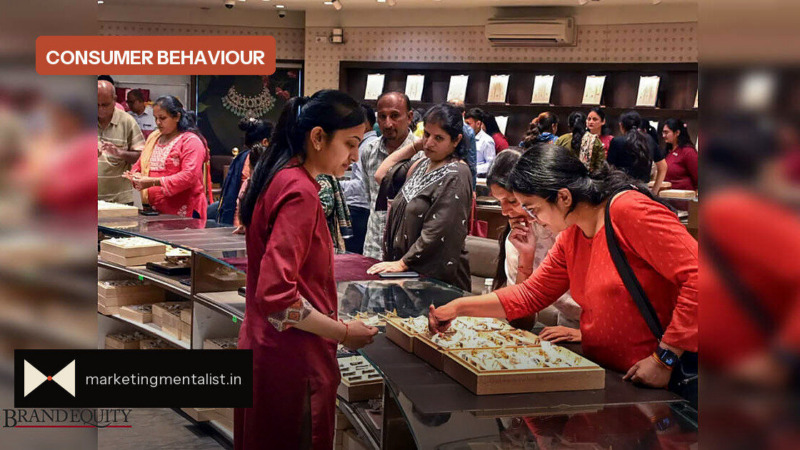
On Dhanteras morning, a shopper in Jaipur filmed her jewellery haul on a bed with marigold and window light. By breakfast, 3,200 people had watched it. That same morning, a national jewellery brand released a polished Dhanteras film with a Bollywood star, slow-motion sparkle and a Rs 40 lakh budget. It drew 2,100 views.
That single frame captures the festive content economy: consumers are no longer just the audience. They are the creators, the distribution and the competition.
The scale brands don’t show in the boardroom
Last Diwali, Meta counted 200 million Reels carrying #Diwali in ten days; less than 1% came from brands. Navratri produced 1.8 million Garba transition Reels across Gujarat, Mumbai and Indore in nine days, while brands made roughly 500. Onam generated 900,000 Pookalam time-lapses in Kerala against around 6,000 brand posts. YouTube logged 8,000 hours of Diwali home tours and vlogs in one week.
Polished 30-second anthems drown in this flood. A brand often speaks in story; a consumer speaks in selfie. And the brain picks the selfie.
What the research actually shows
Meta India’s festive attention study of 10,000 top festive posts found 78% used a human face instead of a product pack shot, and 62% were shot at home rather than in a studio. Real, shaky UGC earned three times more shares than polished TVCs.
Nielsen’s festive brain study measured the same gap in seconds. A brand TVC got 2.7 seconds before skip; a family Diwali video held 11 seconds. The reason is neurological: the brain pays about four times more attention to a familiar face than a familiar logo.
Byron Sharp’s distinctive-assets theory adds the memory layer. In high clutter, recall comes from assets recognised in half a second—a colour, a shape, a sound, a pattern—not from one more emotional festival story.
Five survival moves for festive campaigns
- Make sets, not ads. Tanishq replaced its big Diwali film with a giant diya arch in malls across Delhi, Mumbai and Hyderabad. Around 40,000 photos were posted organically with the Tanishq logo visible in each one. Asian Paints painted lanes and even pujo taxis in Kolkata, turning the brand into a selfie-friendly location.
- Give them a prop, not a product. Cadbury Celebrations put a small purple diya holder inside the box; people shot their diya on it and the pack became part of the ritual. Coca-Cola’s named Diwali bottles worked as identity props.
- Own a micro-moment, not the whole festival. Whirlpool skipped the generic ‘Happy Diwali’ and owned ‘first wash after Diwali safai’, drawing 12 million views. Fevicol owned the last-minute toran fix. A tiny moment is more searchable than an anthem.
- Design for forwarding. Flipkart and Meesho reportedly get about 60% of festive sales through WhatsApp forwards, because festive buying is a group decision. Tanishq’s ‘send as hint to husband’ catalogue raised enquiries by 40%.
- Make creators allies, not media. Coca-Cola’s Red Bench Project put a bench inside 500 small Durga Pujas, Ganpati mandals and Dandiya grounds—no logo wall, just a photo spot. Zomato gave 100 food creators Rs 5,000 credit to film staff Diwali parties; those videos earned five times more views than restaurant ads.
The brand’s new job
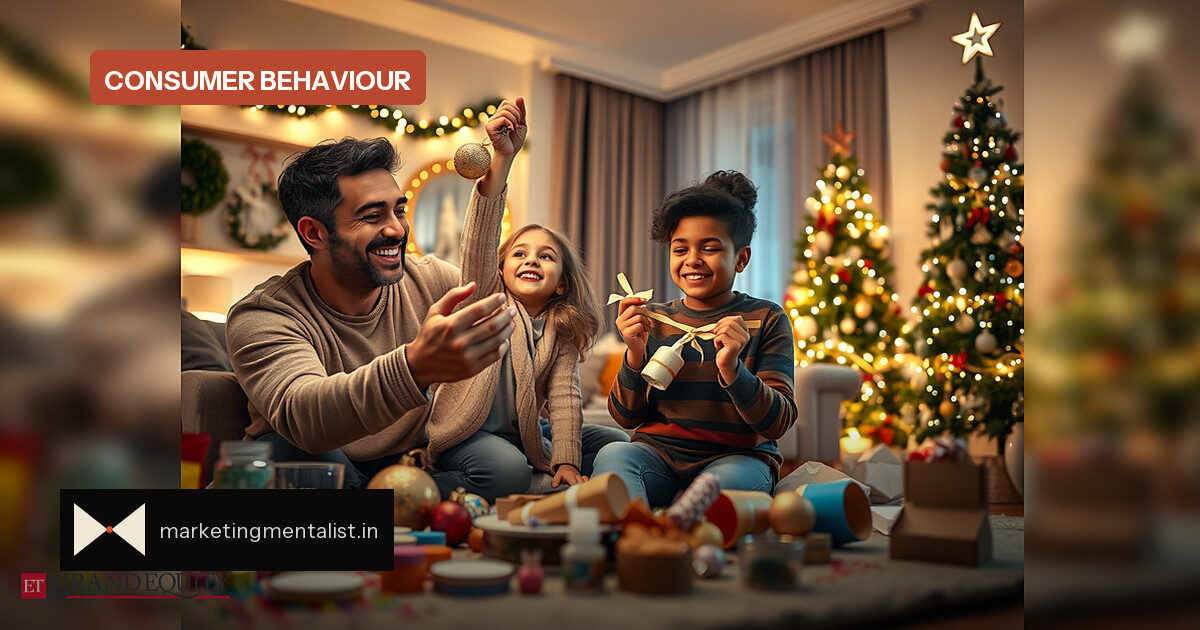
Before approving a festive film, ask: ‘Will a daughter forward this to her mother tonight?’ If not, it is probably clutter. The winning brand does not compete to direct the consumer’s Diwali. It becomes the best supporting actor, light person and set designer.
This festive season, the sharper question is not ‘How will my brand stand out in the clutter?’ but ‘How will my brand help her Diwali stand out?’
Source: ETBrandEquity.com