Tier-2 Retail Adds 5.9M Sq Ft, Metros 1.9M
Tier-2 cities added 5.9M sq ft of Grade A retail space against 1.9M in metros since 2020. Here is what the shift means for brands.
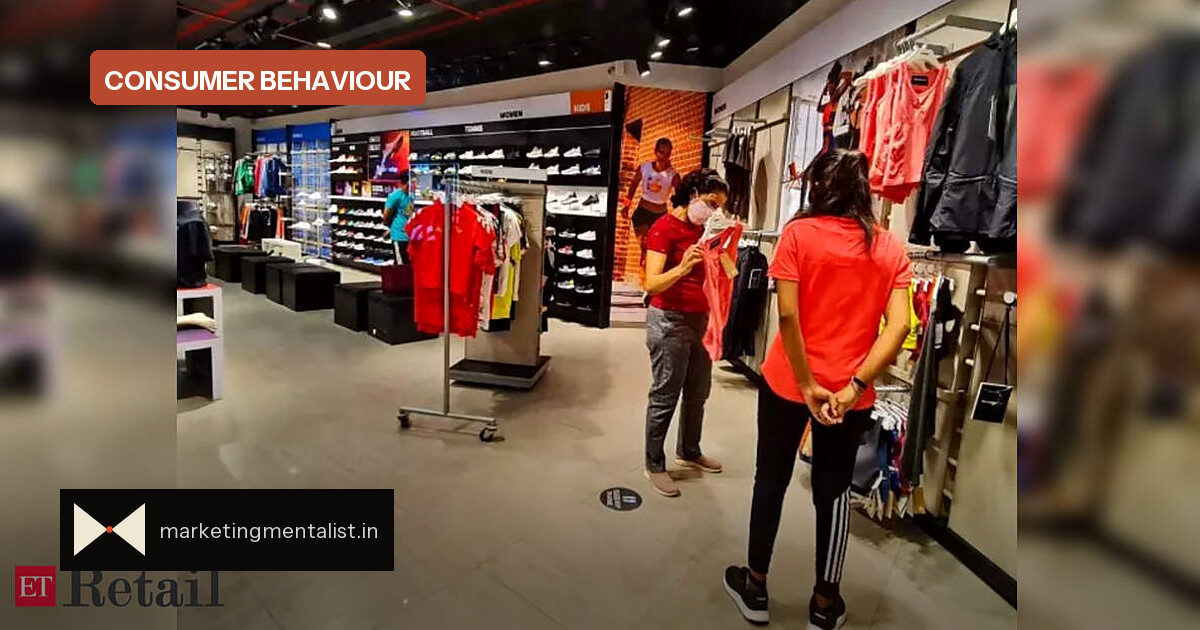
The next wave of Indian retail is not coming from the malls that already exist in Mumbai or Delhi. It is coming from cities where the mall itself is still new. A Knight Frank and CII report shows tier-2 cities added 5.9 million square feet of Grade A shopping-centre space since 2020, against roughly 1.9 million square feet in tier-1 cities. That is more than three times as much prime retail space in smaller markets.
The shift is less about metro fatigue and more about metro friction. Prime locations are scarce, rents have climbed and established catchments are crowded with brands fighting for the same shopper.
Why the centre of gravity is moving
Devarajan Iyer, CEO of Lifestyle International, puts it plainly: “The metro market is not only getting saturated, but real-estate prices have gone through the roof now.” For brands, metros are still where the consumers are, but they are also where the cost of showing up has become the strategy.
Tier-2 markets have a far smaller organised retail base, around 36 million square feet versus 98 million square feet in tier-1 cities. That is not a sign of weakness; it is headroom. And the quality gap is narrowing: Grade A properties make up 61% of tier-2 shopping-centre stock, compared with 46% in tier-1 cities.
The consumer is already there
Consumer behaviour has moved ahead of physical retail supply. Knight Frank and CII count 1,720 international brand stores across 24 tier-2 markets, spanning 255 brands from 37 countries. At the same time, an estimated 60%-70% of India’s 410 million active internet users in 2025 were in tier-2 and tier-3 markets. Shoppers in these cities are discovering global brand codes online before those brands ever open a store nearby.
This is the behaviour gap retailers should exploit. Aspiration is no longer imported slowly through a metro visit; it is delivered daily by the feed. When the store finally appears, it has to match the promise the algorithm already made.
What this means for brand and retail strategy
The opportunity is a second engine, not a replacement. Iyer notes that more than 80% of Lifestyle’s revenue still comes from metros and tier-1 markets, and those markets are expected to keep growing. The smart play is portfolio thinking:
- Treat metros as the profit base and tier-2 as the growth layer.
- Open tier-2 stores at metro-grade quality, not as downgraded formats.
- Use digital signals from tier-2 shoppers to decide which categories and price points to stock.
- Localise the calendar and assortment, but keep global brand cues consistent.
Shriram PM Monga, co-founder of SRED Global, frames the metro constraint as an ecosystem problem: high rentals, limited supply and intense competition for prime locations make expansion commercially challenging. In smaller cities, the ecosystem is catching up with consumer aspiration, which gives brands room to build rather than just squeeze in.
Source: ETRetail.com