Spam’s Hello Kitty cans earn 680M impressions
Collectible cans, sushi counters and stadium dogs: how Spam turned a nearly 90-year-old pantry icon into 680 million earned impressions.
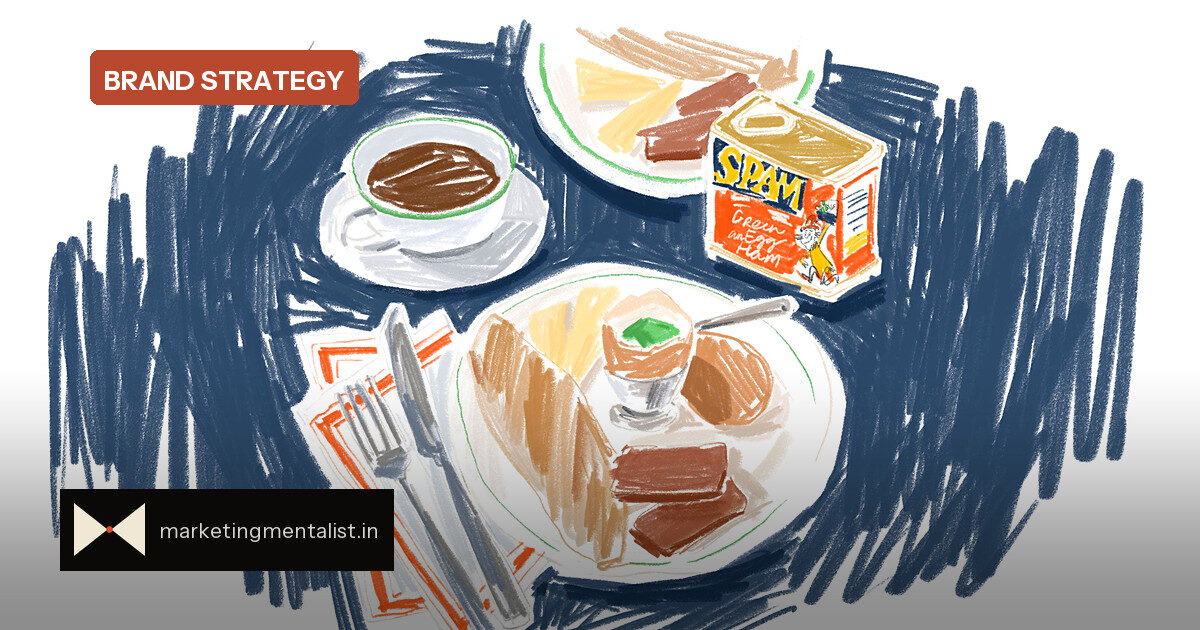
Spam is a nearly 90-year-old pantry icon, but Hormel is treating it like a challenger brand. The strategy: stop asking people to buy the can, and start putting the product where a first taste feels natural.
Trial comes before the packaging debate
In August 2025, Spam appeared at fresh-sushi counters in Kroger and Ralphs stores across the U.S. as musubi—Spam and sushi rice wrapped in seaweed. The format matters. Jason Levine, Hormel’s CMO, notes musubi arose in Hawaii and spread through the U.S. and Japan, where it was many consumers’ first experience with Spam. That is exactly the job: borrow a familiar dish to lower the barrier to trying an unfamiliar protein.
Spam Dogs followed at convenience chain Rutter’s. They sold out fast and have since become the official dog at U.S. Bank Stadium, where the Minnesota Vikings play. Suggested pairings such as kimchi and pineapple salsa deliberately nod to South Korea and Hawaii, two markets where Spam carries cultural weight.
The Gen Z play is about collectibility, not nostalgia
The real marketing signal is the limited-edition strategy. In June, Spam partnered with Hello Kitty on packaging for its low-sodium product. A video paired Hello Kitty with an animated can called Spammy, promoting global recipes. The campaign targeted Gen Z collectors and lifestyle influencers and generated more than 680 million earned media impressions and nearly 4 million organic social impressions.
That was not a one-off. It borrowed a playbook from a summer 2025 collectors’ pack celebrating the 65th anniversary of Dr. Seuss’s Green Eggs and Ham. The can showed Sam-I-Am holding Spam on a platter, and social media did the rest: curious shoppers posted videos of the cans and creators cooked their own green eggs and Spam on TikTok.
Levine frames the whole brand with the book’s message: “You can eat it here. You can eat it there. You can eat it anywhere.”
The psychology: unfamiliar food needs familiar formatting
Consumer behaviour research says novel products face a “taste risk” barrier—people hesitate to waste money or a meal on something they may not like. Spam reduces that risk three ways.
- Format borrowing: sushi counters and stadium hot dogs give the product a known culinary script.
- Collectible packaging: limited cans turn a pantry staple into a low-cost identity marker and social signal.
- Creator proof: unboxing and recipe videos let Gen Z see peers trying it first, which weakens the fear of a bad first bite.
None of these moves depend on a 30-second television spot. The can itself becomes the ad, the proof, and the collectible.
Steal the “musubi moment”
Marketers can ask a simple question: where is the familiar format that lets a hesitant buyer sample your product without feeling they are taking a risk? Then wrap that first taste in a limited, shareable form. Spam’s playbook suggests trial works best when it feels like a collectible, not a chore.