Kirana to Cloud: The Counter Learns a New Memory
The khata wasn't just a ledger. When the corner shop moves its memory to the cloud, trust, credit and buying habits shift in quiet ways.
A khata was never just a ledger. It was the shop’s working memory: who bought what, who paid later, whose child had exams, who preferred loose tea over packets. When that memory moves from a cloth-bound notebook to the cloud, the kirana doesn’t just digitise records. It changes how the shop and its customers recognise each other.
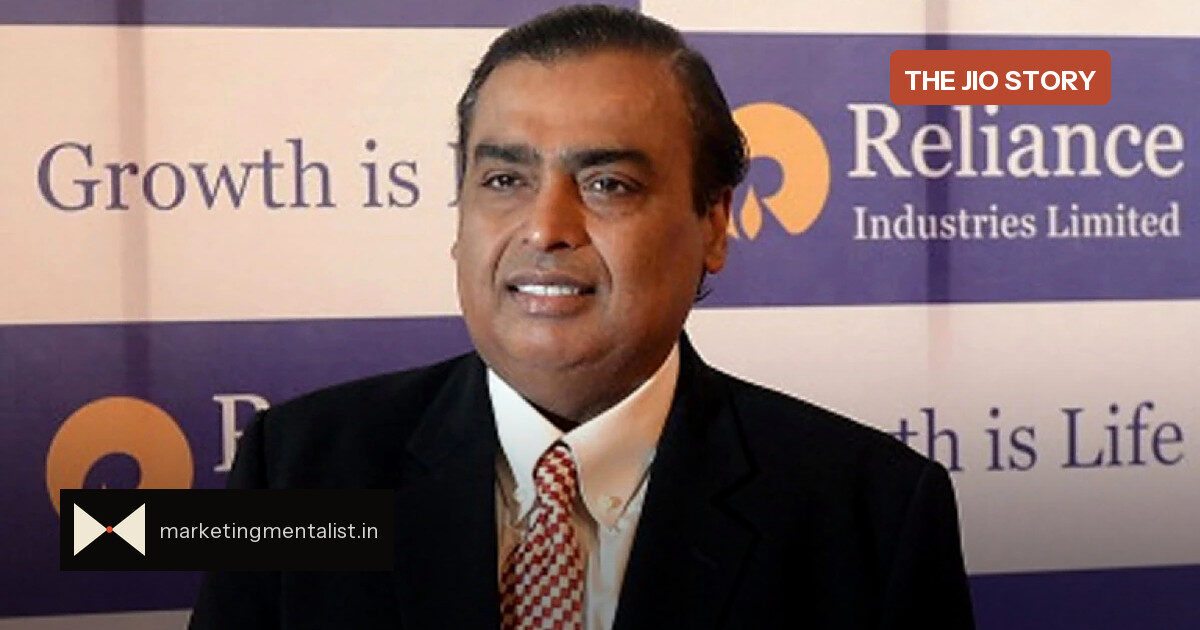
The shift didn’t start with a software pitch. In 2016, Jio launched with the Welcome Offer: unlimited 4G data, voice, video and apps (Reliance Industries). Suddenly the small shop’s phone could run billing apps, payment links and video calls alongside the morning chai. Data stopped being the thing people counted and became the thing they used.
The khata was a relationship ledger
For decades, the local shop ran on a social contract. The shopkeeper remembered a customer’s usual order, the credit they were good for, and the festivals that changed what they bought. That memory was personal, uneven and forgiving. It lived in the head, not in a database.
Moving to the cloud gives that memory a second home. A digital record can recall a purchase from three months ago, flag a repeat pattern, and suggest a reminder before a festival rush. The shopkeeper still decides whether to extend credit, but now the decision sits on visible history rather than recollection alone.
What changes at the counter
For the customer, the most visible change is quiet. The shop knows their preferences without asking twice. Payment becomes a link or a scan instead of change from the till. Credit is acknowledged with a message rather than a nod. The relationship may feel more efficient, but it also becomes more traceable.
For the shop, the upgrade is less about software and more about recognition:
- The khata moves from private memory to shared record.
- The shopkeeper sees repeat patterns instead of isolated visits.
- Trust becomes a visible history, not just a face-to-face promise.
- The customer expects the shop to remember, because the record does.
Underneath, the same question India asked moved from “How much does data cost?” to “What can we do with data?” The kirana’s answer is not a dashboard. It is a better memory.
The marketing lesson is behavioural, not technical
Jio’s ecosystem today spans connectivity, entertainment, commerce, payments, devices, cloud and AI (Reliance Industries 48th AGM, August 2025). For the corner shop, that means the tools are no longer the story. The story is what the shop does with them: it remembers, anticipates and reassures.
Marketers often sell small businesses an app. But the kirana doesn’t want an app; it wants to stop forgetting. The brands that frame digital tools as a second memory—not a system—will land closer to the counter. When the khata becomes a cloud, the best technology disappears into the relationship it was always keeping track of.
That is the real change: the shop’s memory gets a backup, and the customer gets the strange comfort of being known by a machine that acts like the corner shop always did.