How Local Voices Became India’s Default Story
The psychology behind village-to-city video calls, hostel hotspots, regional creators and festival streams that made local presence feel routine.
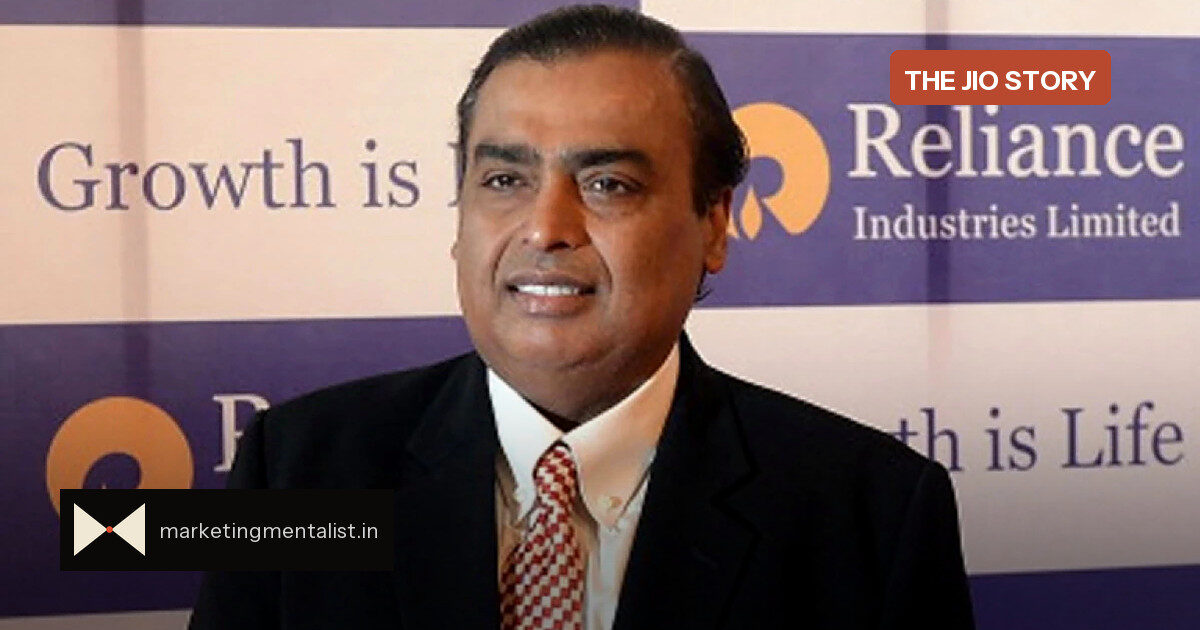
The story of Jio in India is often told as a data story. But the more interesting story is what people did once the meter stopped mattering. A village-to-city video call, a hostel room huddled around one screen, a regional creator speaking to people like themselves, a festival streamed for relatives who could not travel — these are not separate habits. They are one behaviour: local life became legible, shareable and present.
When a video call stopped being an event
In 2016, Jio launched with the Welcome Offer: unlimited 4G data, voice, video and apps (Reliance Industries). The change was psychological before it was technical. Earlier, a video call was often planned around cost and quality; families waited for a “good connection”. When data stopped being rationed, calling home became ambient. People began sharing small, unremarkable moments: a child practising letters, a freshly painted wall, the exact shade of a morning filter coffee.
Behavioural science calls this co-presence — the feeling of being there without travelling. The task shifted from checking a data balance to deciding which moment deserved to be seen. That is a richer, more motivating question.
The hostel room as a shared ritual
In hostels, a single connection often became a room’s shared utility. One person’s hotspot fed group classes, late-night matches, music and reels. The data pack stopped being an individual purchase and became social infrastructure. The cue was not “I want something”; it was “we will watch something together.”
That is a ritual view of media. Consumption rises when it is synchronised and social, because the reward is not just the content — it is being part of the same laugh, the same silence, the same final over.
- Cue: a notification, a festival date, a shared room at night
- Routine: open the app, call home, stream together, post in the regional language
- Reward: being seen, being present, being recognised by people who share the context
Here the series’ framing line applies: the question India asked moved from “How much does data cost?” to “What can we do with data?”
Regional creators and the confidence of a local language
When connectivity became routine, creators did not need to move to a media city or perform for a national accent. They could make content in their own language, for their own streets, kitchens and panchayats. The audience recognised itself, and recognition is a strong driver of trust and sharing.
Jio’s reported scale — 100 million subscribers within 170 days of launch (company-reported; Reliance Industries Integrated Annual Report 2016-17), and later 524 million+ customers (Reliance Jio Infocomm, March 2026; company-reported) — matters here mostly because it made these local niches commercially and culturally large enough to sustain creators. The layer below was connectivity; the layer above was identity.
Festival moments become shared presence
Festival streams work because they combine ritual, identity and reciprocity. A family group call for aarti, a temple darshan shared in real time, a wedding sangeet streaming for relatives in another city — these are not passive broadcasts. They are invitations to participate. The person watching is also being watched into the moment. This turns technology into cultural glue.
The habits that formed around these calls did not arrive because people were told to adopt them. They arrived because the cost of trying vanished. Jio’s stated priorities — connect every Indian, bring digital services home, digitise businesses, and “AI Everywhere for Everyone” (Reliance Industries 48th AGM, August 2025) — describe a layer that increasingly fades into the background. The story that remains is how India made that layer local.