46% of Indian Talent Plan to Switch: Employer Branding’s New Rules
Why candidates trust Glassdoor over careers pages, and what employer branding must change as 46% of Indian talent eye a job switch.
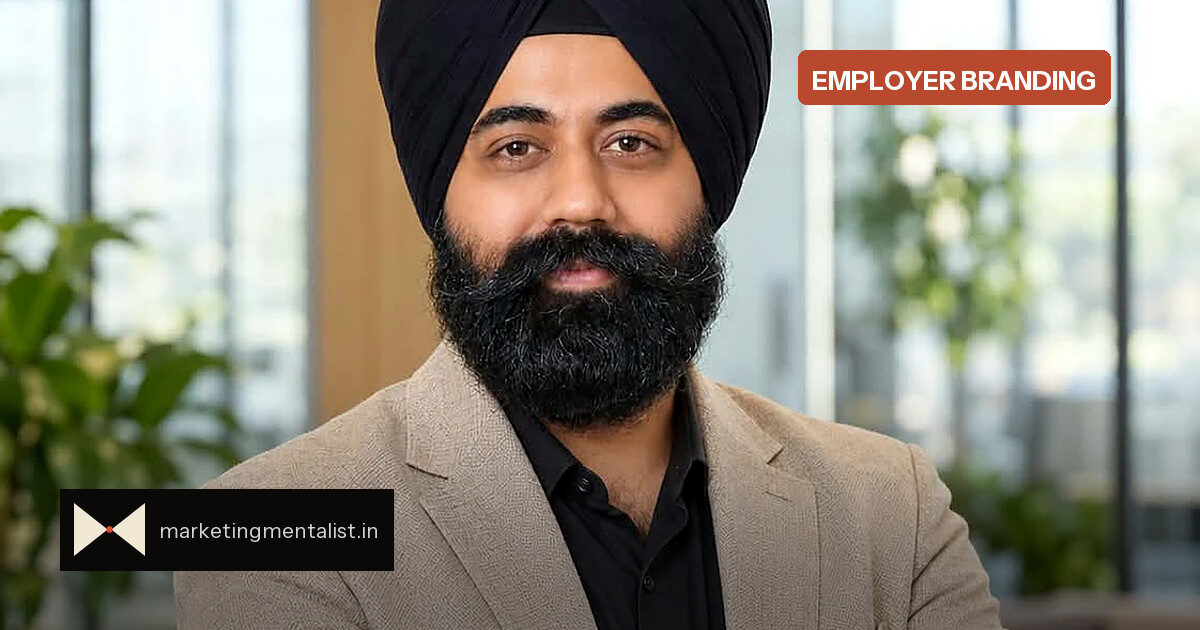
The most expensive job in marketing might be the one you never notice: keeping the promise your employer brand makes. That promise now shapes whether talent stays, not just whether they apply. In a conversation with Navneet Oberoi, Vice President – Employer Branding & Business Strategy at TrueBlue Advisory, a sharper picture emerges: employer branding is becoming an experience function, not a communication campaign.
Why candidates trust reviews over the careers page
Gen Z candidates in India often read Glassdoor reviews and employee posts on LinkedIn before they ever speak to a recruiter. They are not chasing a polished mission statement. They want the ordinary working week: how managers behave near a deadline, and whether people who joined three years ago actually moved up.
The reason they trust these platforms is simple: the careers page is the company describing itself. Reviews and employee timelines are people talking about work, often independently. When similar patterns show up across sources, candidates treat them as more credible.
Where offers are won after salary is equal
Salary gets an offer on the shortlist. When two offers are close, Oberoi says the hiring manager and role clarity often decide it. Candidates notice whether their would-be manager showed real interest in their growth. They also want to picture the first six months: the actual work and the skills they will build.
Flexibility still matters, but candidates ask how it works day to day. A hybrid policy left to each manager’s discretion is read differently from one applied consistently.
The promise-experience gap
This is the risk employers keep creating. Careers content often describes a broad purpose that an employee never touches in daily work. An engineer maintaining a payments system needs to see how the work affects customers and colleagues. When that link is honest and specific, purpose becomes believable.
- New hires check the promise in the first 90 days; a disengaged manager can undo hiring work fast.
- End-of-year-one is a second exit window, when ‘what’s next?’ conversations haven’t happened.
- Learning budgets often exist; access is the problem on delivery-heavy teams.
What this changes for brand leaders
If employer branding lives only in talent acquisition, it will behave like a seasonal campaign. As Oberoi puts it, employer branding cannot be solved through communication alone. It belongs where decisions about policy and manager behaviour are made. That means business leaders, HR operations and corporate marketing all own a piece of the experience candidates later read about.
Measurement also has to shift. Judging success by visibility during hiring season misses early attrition and retention in critical roles. Listening through the year—surveys, exit interviews, onboarding feedback, review platforms—keeps the promise closer to the experience.
The numbers behind the urgency
Randstad’s Employer Brand Research 2026 found 46% of Indian talent planned to change jobs within the next six months, and 32% had changed employers in the previous six. These are Indian respondents, not Gen Z-specific figures. But the message is clear: your current employees are the most likely to leave, and the most credible voices about what you really offer.
What to do now
Onboard as part of the employer brand. Check at day 90 whether the role matches what was promised. Let employees share voluntarily rather than handing them identical posts. Make flexibility usable in each role, and be specific about learning paths with real internal examples.