What a B2B CMO’s Rise Teaches About Brand Building
Schneider Electric India's Ratnesh Pandey moved from digital marketer to CMO. His playbook shows how B2B brands buy attention with purpose and sport.
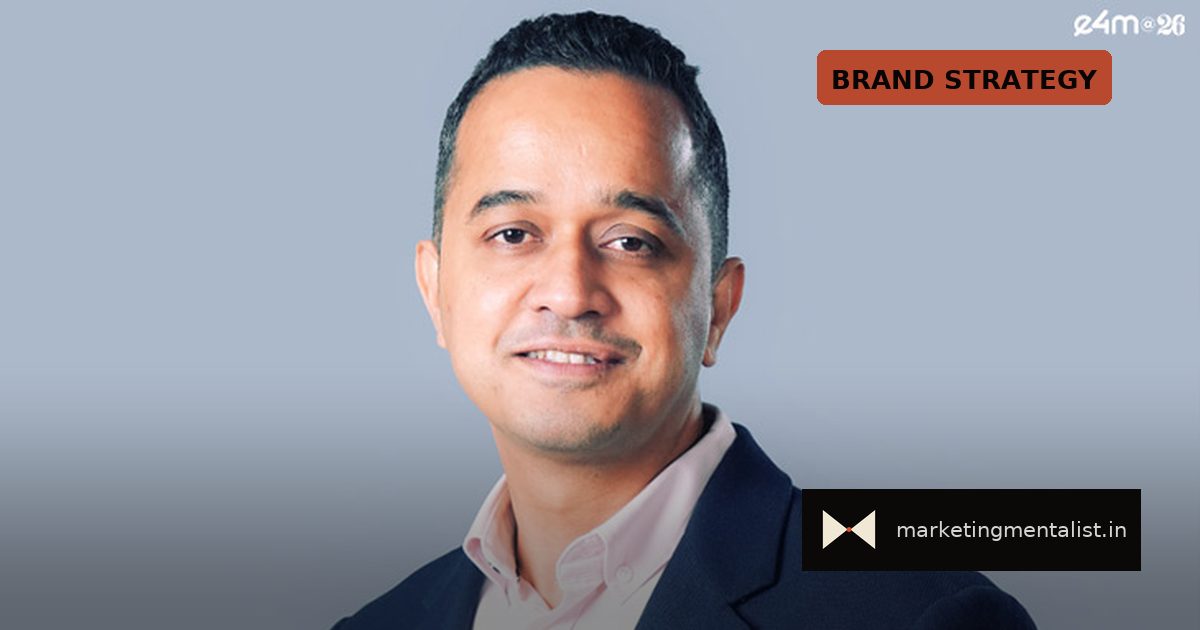
Birthday notes in the trade press are usually ceremonial. Occasionally they double as a case study. The career of Ratnesh Pandey — Chief Marketing Officer and Vice President–Marketing at Schneider Electric India — is one of those, because it maps almost exactly onto the shift that infrastructure and industrial brands in India have been forced to make over the past decade: from catalogue marketing to narrative marketing.
The news, briefly
According to exchange4media, Pandey marked his birthday shortly after stepping into an expanded role. His elevation to Vice President–Marketing took effect on August 1, 2026, giving him charge of brand strategy, integrated marketing, digital engagement, customer experience and commercial excellence at Schneider Electric India. He brings more than 17 years across brand management, strategic marketing and communications.
The route there is instructive. He began in digital marketing — visibility and demand generation on then-emerging platforms — then worked at Digitas India on integrated campaigns spanning financial services and consumer brands, followed by a stint at HCL Infosystems as Brand Manager focused on the services brand and enterprise decision-makers. He joined Schneider Electric in 2014 and has spent nearly 12 years moving through building automation, energy management software, home solutions, consumer and retail marketing, sustainability and strategic projects.
Why B2B marketers should read this closely
Two projects in that record deserve a marketer’s attention.
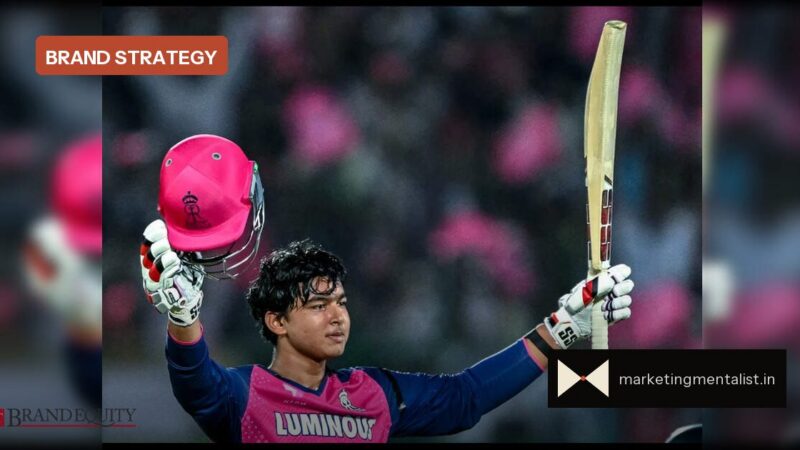
The first is Green Yodha, Schneider Electric India’s flagship sustainability programme, which he launched and led, extending its reach through a partnership with Rajasthan Royals. Sustainability messaging usually dies in the whitepaper. Attaching it to an IPL franchise is a psychological decision, not just a media buy: it borrows the emotional heat of sport to make an abstract, delayed-benefit idea feel present and social.
The second is the L&T Switchgear to Lauritz Knudsen Electrical & Automation transition, which he oversaw as Director and Head of Marketing and Communications across India, the Middle East and Africa. Renaming an established electrical brand is one of the hardest jobs in marketing — you are asking distributors, electricians and specifiers to overwrite years of stored memory. He also took Lauritz Knudsen onto Mumbai Indians’ jersey front, putting a traditionally B2B name on one of Indian sport’s most-watched surfaces.
The framework: rebuilding memory, not just identity
Brand migrations fail when companies treat them as design projects. Behaviourally, a name change is a fluency problem: the old name is easy to recall and easy to trust; the new one is not. The fix is repetition in high-salience contexts — which is precisely what a front-of-jersey deal delivers. Fame borrowed at scale compresses the time it takes for a new name to feel familiar, and familiarity is the raw material of trust.
If you are steering a similar transition, a rough sequence:
- Carry the equity forward. Keep distinctive assets — colour, logo shape, product codes — so recognition survives the rename.
- Buy salience, not just reach. One high-emotion property often beats scattered impressions when you need memory encoding.
- Brief the channel first. In electricals, the influencer is the electrician and the specifier. Internal and trade fluency precedes consumer fluency.
- Give purpose a product link. Green Yodha works because energy efficiency is what the company actually sells.
- Measure recall, not sentiment. Track unaided recall of the new name among trade audiences quarterly.
The bigger signal
Pandey’s mandate arrives as electrification, digitalisation and sustainability reshape Indian business expectations — categories where the buyer is technical but the decision is still human. That is the real lesson here: the marketers rising in industrial India are the ones who can translate complexity into story, and who understand that a B2B buyer watches the same cricket match as everyone else.
For founders and brand managers, the career arc is also a hint about where value sits. Deep category knowledge plus consumer-grade storytelling instinct is a rarer combination than either skill alone.
Source: Indian Advertising Media & Marketing News – exchange4media