Huma Qureshi’s Freefall targets first-year break-even
Huma Qureshi and Dressfolk's label Freefall is selling the saree as wearable, not cumbersome, while chasing Rs 5 crore in six months online first.
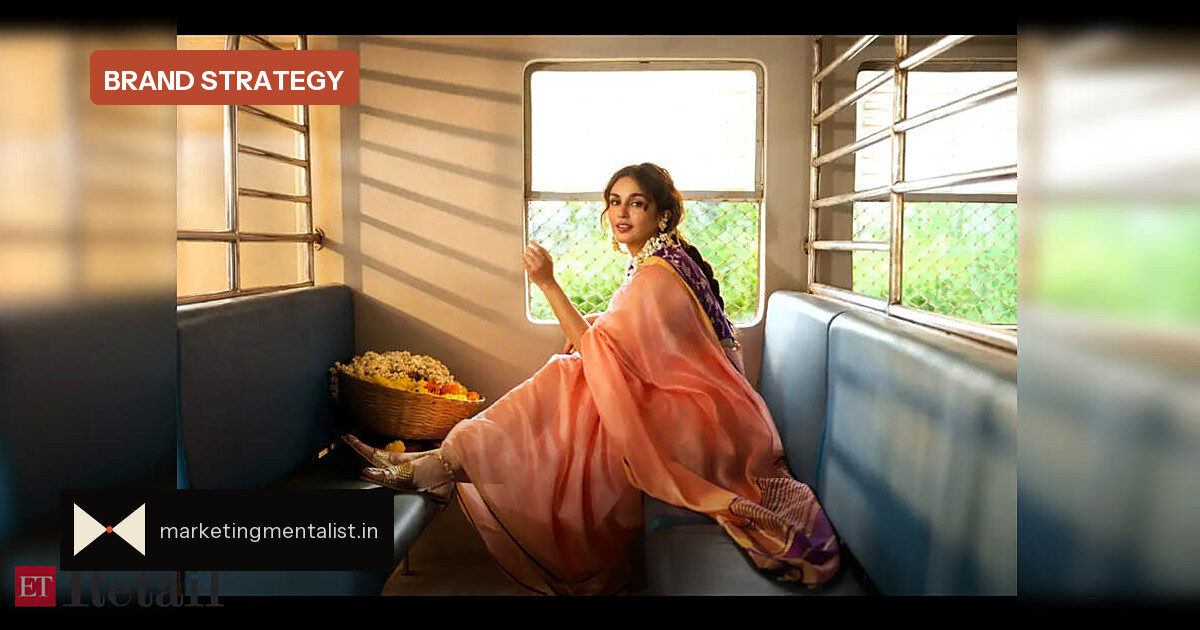
Freefall, a new saree label backed by actor Huma Qureshi and handloom house Dressfolk, wants to turn a garment many urban women call cumbersome into an everyday choice. It launched with an e-commerce-first model and is targeting over Rs 5 crore in sales in the first six months on an initial investment of around Rs 1.5 crore.
The positioning shift
Most saree brands sell heritage. Freefall is selling wearability. Qureshi told ETRetail the aim is to make the garment “more accessible, more wearable for the urban consumer.” That is a reframe: the saree is not difficult; the styling and product logic around it often are.
The brand is aimed at a wide 20-50 age band, with a festive-led first collection and new drops planned every few months. The craft story is strong: handwoven textiles from Chanderi, Varanasi and Kutch, made with master artisans and more than 50 hours per saree.
Digital first, touch later
Freefall is starting online, with discussions underway with fashion marketplaces and fashion-focused quick-commerce platforms. Offline retail will be evaluated after 12-18 months of digital brand building. Qureshi still believes physical retail matters: “Offline is important for people to come and feel and experience the goods that they are buying.”
The sequence is deliberate: use e-commerce to test demand and sharpen positioning, then add stores when tactile proof becomes a conversion lever. For marketers, it is demand validation before heavy capital.
A category reframe
Qureshi estimates the Indian saree market at Rs 51,000 crore today, projected to reach Rs 90,000 crore by 2034, partly on younger consumers experimenting with traditional clothing. The founders are also betting on premiumisation.
Freefall’s real move is not just selling sarees; it is changing what a saree means to urban women:
- From heritage object to wearable product: craft is proof, not the whole story.
- From occasion-first to wardrobe-first: festive launch, broader collections later.
- From retail-led to digital-led: online first, offline as an experience layer.
What brand builders can use
If a product carries a deep reservation like “it is too hard to wear,” lead with the objection rather than the feature. Freefall claims the opposite: accessible, chic and suited to the young Indian woman. Add Dressfolk’s production credibility and Qureshi’s creative direction, and the brand can borrow trust while changing the frame. Qureshi describes herself as chief marketing officer, pushing to make the brand “chicer, cooler.”
The risk to watch: drifting back toward occasion-only positioning as the brand adds mehendi and sangeet collections. That would trade a distinctive urban-ease promise for a crowded festive niche.
Source: ETRetail.com