Why Post-Purchase Is Where Brand Loyalty Is Won
Trust is earned after the checkout. How the post-purchase journey—not discounts—decides repeat purchase, retention and advocacy.
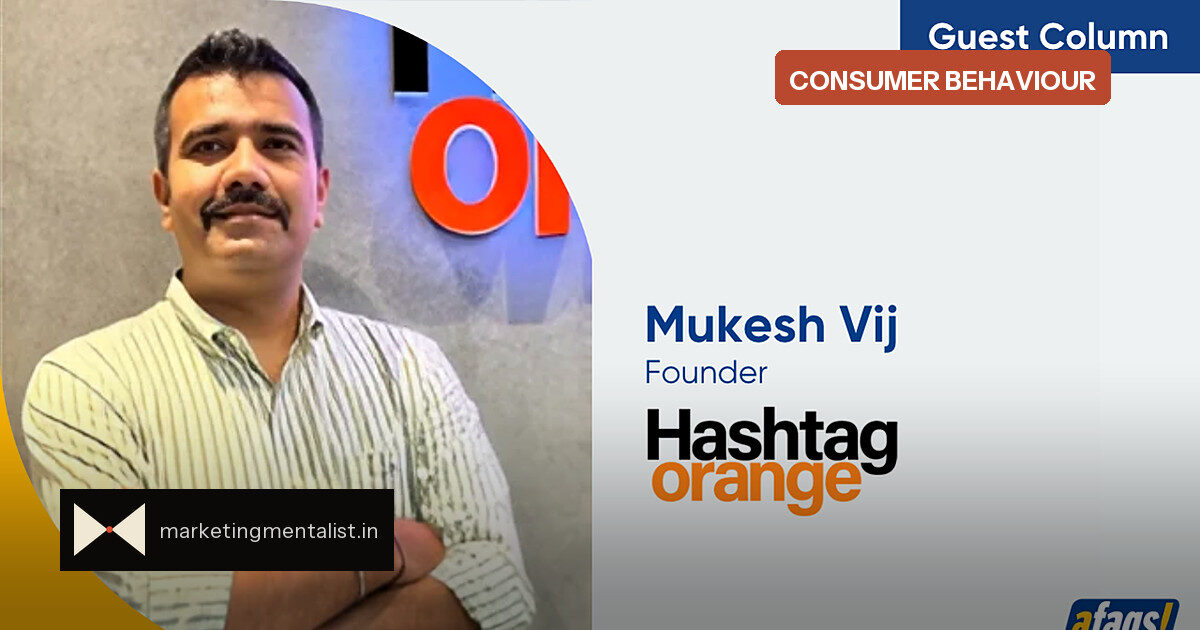
Most marketing dashboards still stop at one question: did they buy? The more valuable question, argues Mukesh Vij, founder of Hashtag Orange, is whether customers trust the brand enough to stay, return and recommend. That question gets answered only after the transaction.
The quiet risk after the checkout
Many brands spend heavily to win attention and close a sale, then offer little more than a thank-you. That silence is expensive. It has long cost more to attract a new customer than to keep an existing one, and in crowded digital categories the gap has widened. With choice abundant and switching costs low, every quiet stretch after purchase is an invitation for a competitor.
Trust is built after the buy
Shoppers research before buying, but trust is shaped afterwards. It lives in delivery, problem resolution, service quality and even resale value in long-ownership categories. A promise made at the point of sale is only as credible as the years that follow. Trust is accumulated through consistent experience, not broadcast through campaigns.
A journey with five jobs
It helps to see the consumer journey as a series of jobs rather than a single funnel:
- Awareness to purchase: attract and convert
- Onboarding: deliver first value quickly
- Usage and engagement: support, reminders and practical tips
- Loyalty and renewal: recognition, upgrade paths and repeat purchase
- Advocacy and re-engagement: referrals and return moments
Most brands over-invest in the first job and treat the rest as someone else’s responsibility. Mapping every phase—and assigning an owner to each—turns loyalty into a compounding asset.
Helpful, never pushy
Purchase history, usage patterns and service records reveal when someone is ready to top up, upgrade or ask for help. Handled well, this feels like genuine service; handled carelessly, it feels like surveillance. The days immediately after purchase are the most overlooked window in marketing. Customers are curious, slightly anxious and unusually open to guidance. Onboarding guides, user-generated content and real stories can deliver a quick win and dissolve buyer’s remorse.
Later, top-up reminders, practical tips, communities and early access keep a brand present without raising its voice. Price cuts rarely create loyalty; recognition does.
The weakest touchpoint sets the ceiling
Inside most organisations, acquisition, CRM, social and customer service are separate silos. The customer, however, sees one brand. Technology such as customer data platforms and AI personalisation can stitch the functions together, but shared objectives matter more. Leadership should give repeat rate, lifetime value, retention and referrals the same weight as reach and conversion. A brilliant campaign followed by slow delivery or a clumsy returns process can undo months of brand building. Consumers now measure every brand against the best experience they have had anywhere.
The loyalty flywheel
None of this means abandoning acquisition; growth still needs new customers. But when marketing is viewed across the full lifecycle, each stage feeds the next. Onboarding creates satisfaction, satisfaction breeds loyalty, loyalty matures into advocacy, and advocacy lowers the cost of winning the next customer. Winning the first purchase is an opportunity, not the finish line. What happens next decides whether that buyer stays.