The Real Lesson from Video Games Isn’t Points and Leaderboards
Amazon Prime began as a one-page video game loyalty pitch. The 2010s gamification wave copied the wrong layer. Here's what games actually teach.
The pitch that became Prime
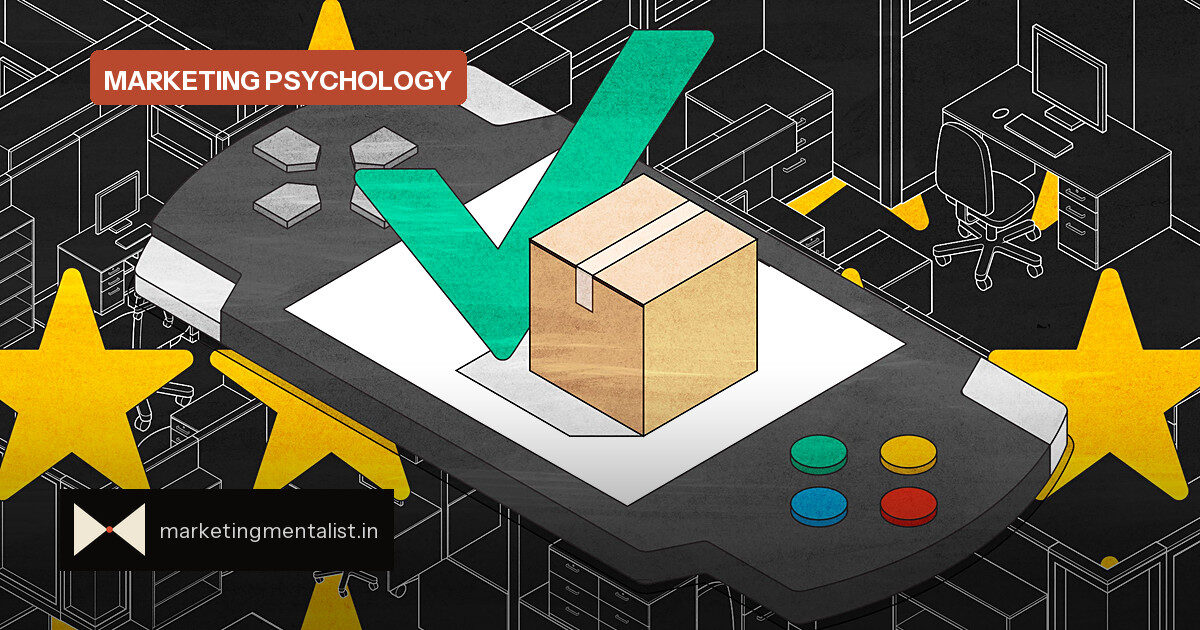
Before Amazon Prime became a retention benchmark, it was a one-page idea sketched in an Electronic Arts cubicle. In the early 2000s, a video game executive named Bing took a meeting with Jeff Bezos after venture capitalist John Doerr made the introduction.
Nervous about meeting Time’s 1999 person of the year, Bing outlined a customer loyalty programme built on the annual return loop that made Madden NFL a forever franchise. Across the top of the page he wrote: Amazon Prime. Bezos laughed, then heard him out.
Prime went from a surprising success to a fixture of consumer behaviour. As Bing tells it, Bezos would later call the outcome a good surprise.
Why gamification got a bad name
Product teams in the 2010s bolted points, badges and leaderboards onto apps and waited for retention to move. Bing says teams complained those systems made no dent in retention metrics. Users, meanwhile, began to read gamification as manipulation of their time and attention.
The word has become so loaded that Bing has stopped using it. But the failure wasn’t proof that games don’t transfer. It was proof that most teams copied the wrong layer of game design.
Competition is not the point
Successful games rarely rely on competition to motivate players. Cooperation is a far more important mechanism. That inverts the assumption most business leaders bring to loyalty and product design.
Bing’s hierarchy of reasons players return, in order of importance:
- Social connection: relationships and belonging inside the experience.
- Personal mastery: the satisfaction of getting better at something.
- Productivity: measurable rewards, money and rankings.
Most executives assume productivity sits at the top. Decades of game design says it sits third.
What marketers should do with this
For brand managers and founders, the practical shift is to design loyalty as membership, not as a scoreboard. Make users feel progress early, and let cooperation create reasons to return. Then add points later, if they sharpen that sense of progress.
Bing applied this logic beyond games to products like Spotify, Better Mortgage, Coursera, Duolingo and My Fitness Pal. The common thread was retention through intrinsic motivation, not a leaderboard bolted on at the end.
The teams that get this will stop asking how to gamify and start asking which motivation they are actually designing for.