Why Big Tech is cutewashing its AI agents
GrokBot, Meta's Muse and OpenAI's dots all arrived with friendly mascots. Here's why Big Tech bets on cuteness to build trust, and when it backfires.
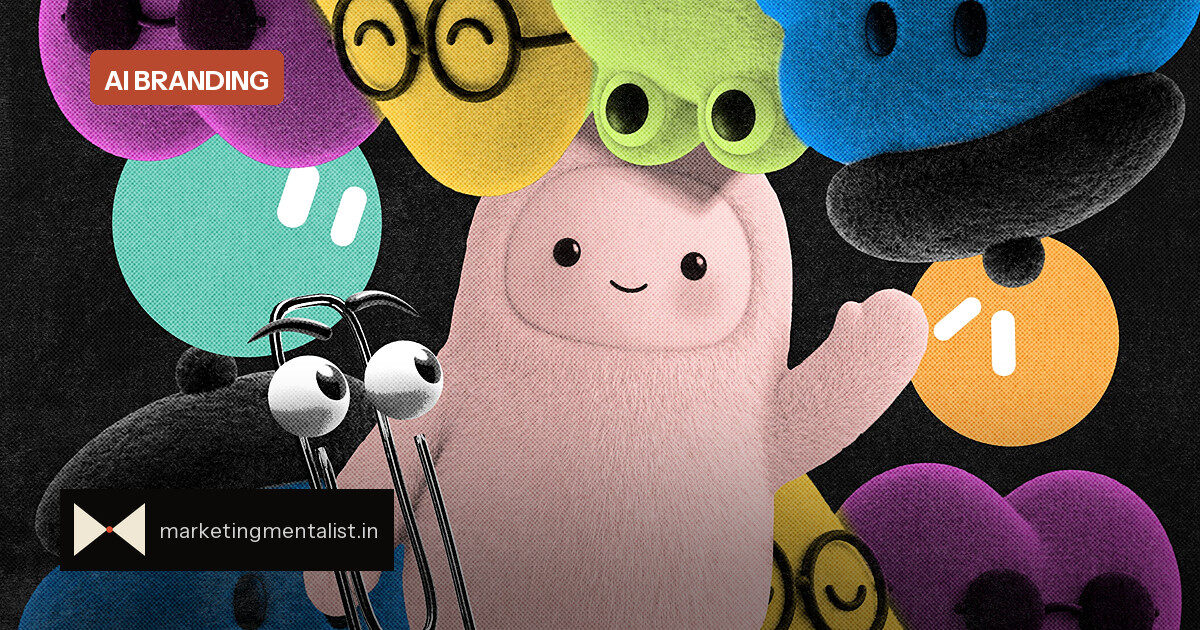
Big Tech’s newest AI assistants are starting to look less like software and more like a shelf of plush toys.
On August 11, Elon Musk’s SpaceXAI launched GrokBot, a line of autonomous agents shown as shapes with giant, orb-like eyes. Meta followed on September 8 with Muse, a fluffy monster toy that also became a Tamagotchi-style keychain. On September 29, OpenAI introduced dots, customisable AI agents the company called “remarkably capable” and “remarkably cute.”
Three rivals in the same season, with the same brand move: give the machine a friendly face.
The wave is bigger than one launch. It arrives as AI companies push agentic tools that act on a user’s behalf, even while the computer is closed—precisely the kind of capability that makes trust essential.
Why the cutest thing in tech is suddenly a strategy
Researchers and designers told Fast Company the trend makes sense. When a company wants mass-market adoption of an unfamiliar service, it has historically leaned on friendly, approachable design.
Anthony Cappetta, partner and creative director at Super Okay, says this aesthetic helps platforms “signal compliance” with established digital norms. “It’s less about being original and more about being instantly legible and trustworthy at scale,” he said.
Falling into the aesthetic gravity well
Kevin Walker, chief creative officer at Buck, calls the pull toward the same visual symbols the aesthetic “gravity well.” In the mid-2010s, Buck helped a pre-Meta Facebook define its brand; the team landed on Alegria, Spanish for “joy,” a style of figurative people with slightly wonky, easy-to-replicate proportions.
The aim was not to show literal individuals but to signal human connection. Today’s AI mascots are doing similar work: making powerful, invisible systems feel human enough to trust.
When cute packaging cuts both ways
The risk is that “cutewashing” a young, largely untested technology can generate its own backlash. Consumers are already anxious about AI; a cuddly mascot that hides real limits or overpromises competence can feel manipulative rather than reassuring.
For brand managers, the lesson is not to avoid warmth. It is to borrow familiar cues while keeping the product legible.
What to do about the cute invasion
The cuteness itself is not the problem. The danger is a mismatch between the friendly face and what the product actually does.
- Pair a friendly face with clear onboarding and visible guardrails.
- Differentiate on communication and reliability, not just mascot design.
- Test whether the character matches the product’s actual behaviour.
Familiarity may open the door, but only clear expectations build trust that lasts.
Source: Fast Company